Comprehensive Guide to SS Steel Mesh Applications Benefits and Sourcing
Understanding SS Steel Mesh: Applications, Benefits, and Sourcing
SS steel mesh, short for stainless steel mesh, is a versatile material widely used across various industries due to its exceptional durability, corrosion resistance, and aesthetic appeal. From filtration systems to architectural designs and industrial applications, its properties make it an indispensable component. This article will delve into the different types of SS steel mesh, its applications, the benefits of using it, and key considerations when sourcing from suppliers. Understanding the nuances of this material is crucial for making informed decisions and ensuring optimal performance in your specific applications.
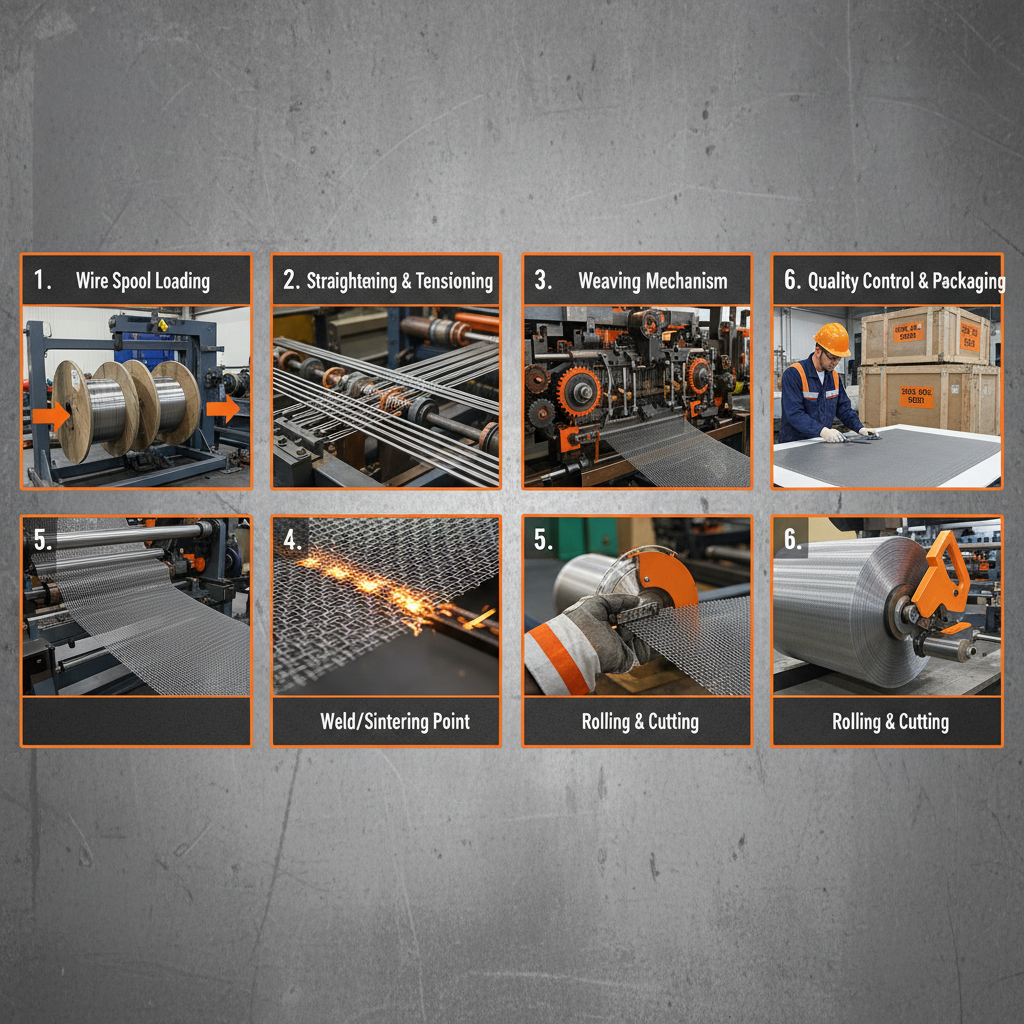
Types of SS Steel Mesh
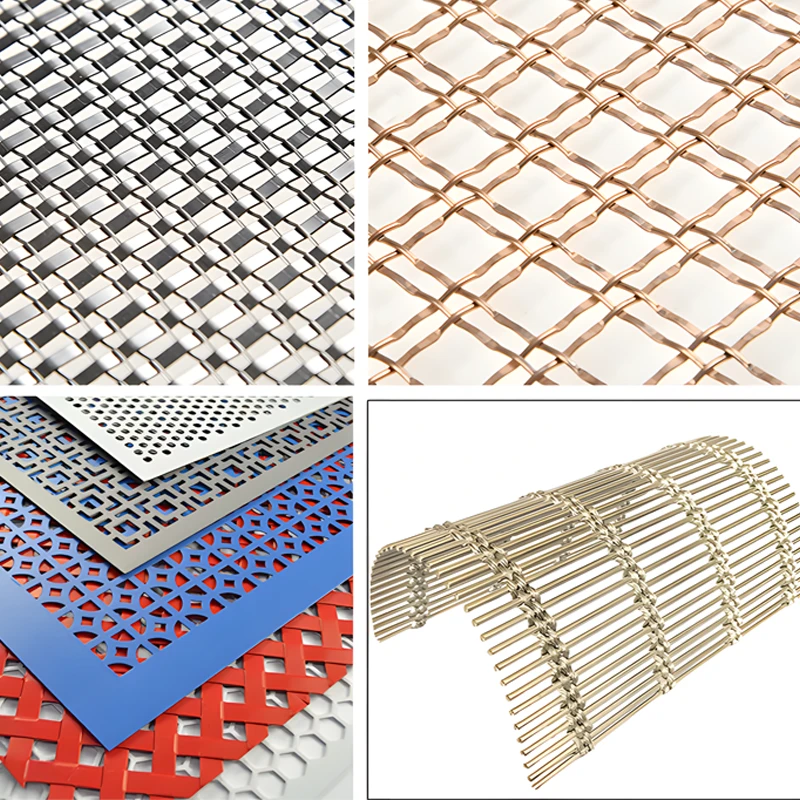
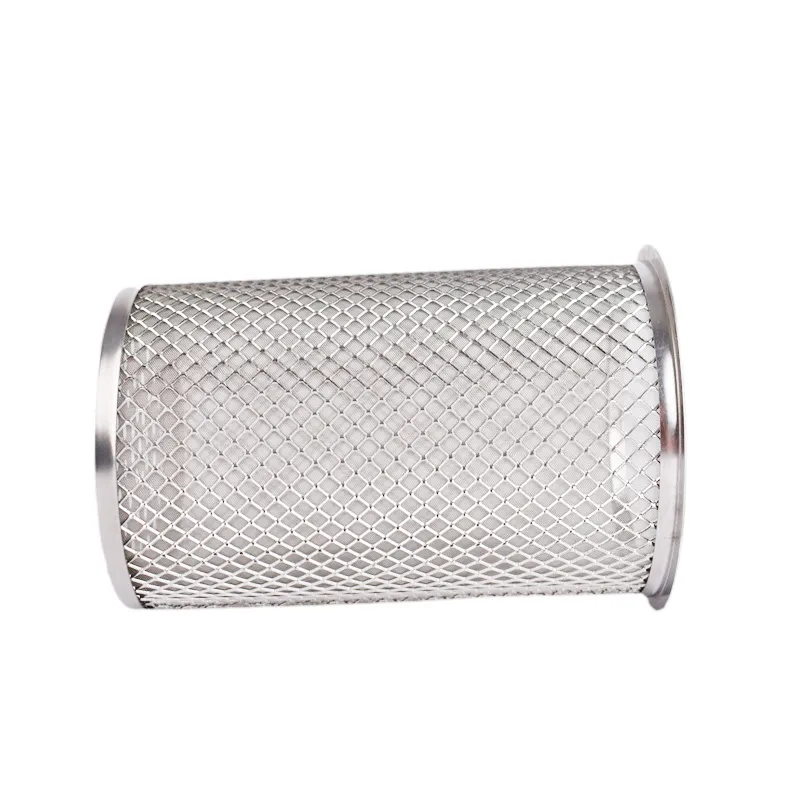
SS steel mesh isn’t a one-size-fits-all product. Different weaving patterns and stainless steel grades cater to specific needs. Common types include: plain weave, twill weave, Dutch weave, and reverse Dutch weave. Plain weave is the most common and cost-effective, offering balanced strength and permeability. Twill weave provides a denser structure, ideal for filtration applications requiring finer particle retention. Dutch weave, with its varying warp and weft densities, excels in filter applications needing high flow rates and effective separation. Reverse Dutch weave is the opposite, offering even tighter filtration. The grade of stainless steel (304, 316, 316L, etc.) significantly impacts corrosion resistance and temperature tolerance. Choosing the right type is critical for optimal performance.
Key Highlights: Different weaving patterns and stainless steel grades cater to specific needs – from basic filtration to highly specialized industrial applications.
Applications of SS Steel Mesh
The versatility of SS steel mesh allows for a wide array of applications. In filtration, it's used in water treatment, beverage processing, and pharmaceutical manufacturing. In industrial settings, it finds use in sieving, screening, and separation processes. Architecturally, it’s used for façade cladding, security screens, and decorative elements. Furthermore, it’s common in the automotive industry for exhaust systems and catalytic converters, and in the food industry for processing and packaging. Its ability to withstand high temperatures and corrosive environments makes it a preferred material in demanding applications.
Common Application Areas:
• Filtration (Water, Air, Liquids)
• Architectural Design & Security
• Industrial Screening & Separation
• Automotive & Aerospace Components
Benefits of Using SS Steel Mesh
Choosing SS steel mesh over other materials offers several advantages. Firstly, it boasts exceptional corrosion resistance, making it suitable for harsh environments. Secondly, it's incredibly durable, ensuring a long service life and reducing replacement costs. Its high tensile strength provides structural integrity, even under stress. SS steel mesh is also easy to clean and maintain, contributing to hygienic operations. Moreover, it can be fabricated into various shapes and sizes, offering design flexibility. Finally, it's often recyclable, aligning with sustainable practices.
Key Considerations When Sourcing SS Steel Mesh
When sourcing SS steel mesh, several factors are paramount. First, define your specific requirements – weave type, mesh count, wire diameter, and stainless steel grade. Second, verify the supplier's quality control procedures and certifications. Third, consider lead times and shipping costs. Fourth, look for suppliers with a proven track record and positive customer reviews. Finally, don’t hesitate to request samples to assess the quality and suitability of the mesh for your application. Reliable suppliers like QH Filter can provide tailored solutions and consistent quality.
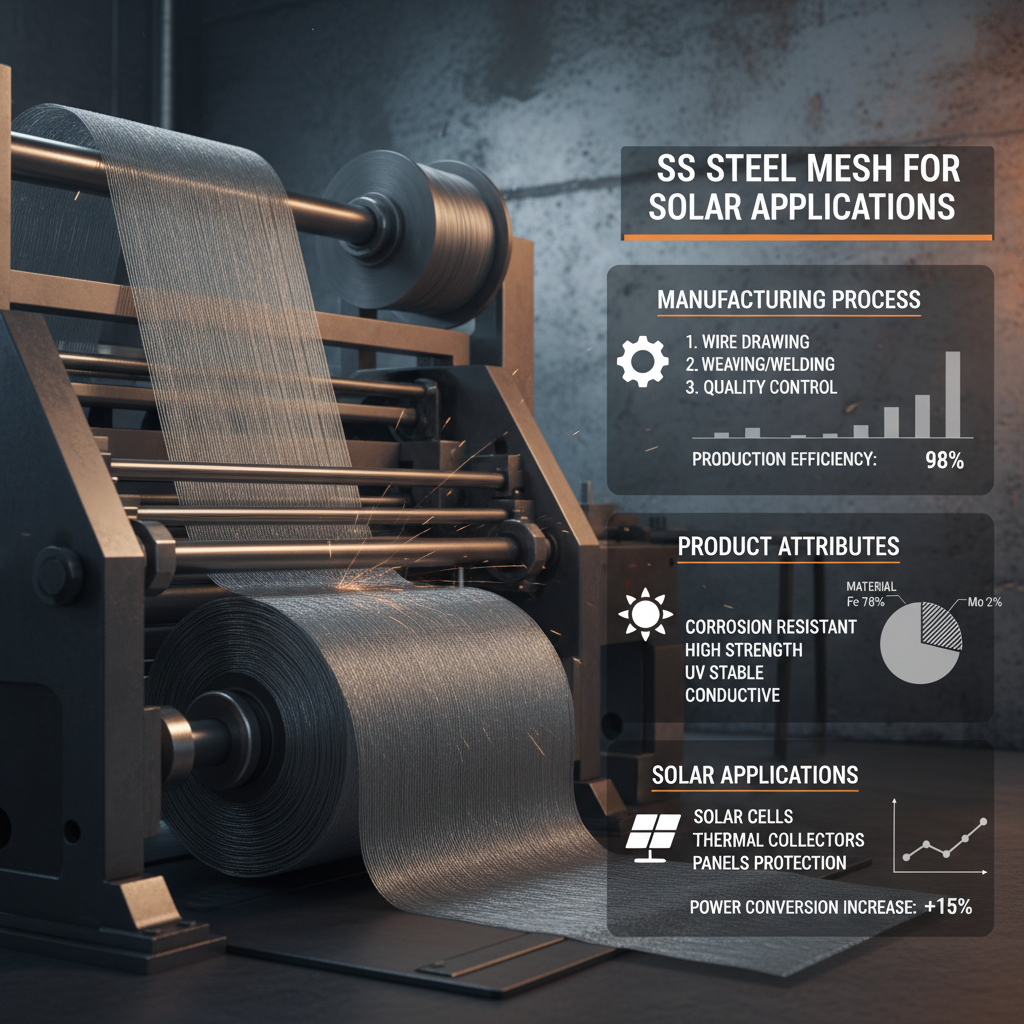
Product Specifications: Common SS 304 Mesh
Here’s a table showcasing common specifications for SS 304 mesh, a frequently used grade:
Conclusion: Choosing the Right SS Steel Mesh for Your Needs
Selecting the appropriate SS steel mesh requires careful consideration of your application's specific requirements. Understanding the different types, benefits, and sourcing factors is crucial for achieving optimal performance and longevity. Partnering with a reputable supplier like QH Filter ensures access to high-quality products and expert guidance. Don't compromise on quality - choose the right SS steel mesh for lasting results.
Frequently Asked Questions (FAQs)
What is the difference between SS 304 and SS 316 mesh?
Both SS 304 and SS 316 are excellent choices, but SS 316 offers superior corrosion resistance due to its molybdenum content. SS 316 is recommended for environments exposed to chlorides (saltwater) or harsh chemicals. SS 304 is generally more cost-effective and suitable for less demanding applications. Choosing between the two depends on the specific operating environment and the level of corrosion protection required.
How do I determine the correct mesh count for my application?
Mesh count refers to the number of openings per inch. Higher mesh counts indicate smaller openings, providing finer filtration. To determine the correct mesh count, consider the particle size you need to retain or separate. It’s often advisable to conduct a sieve analysis or consult with a filtration specialist to ensure you select the appropriate mesh count for optimal performance. Consider also the pressure drop across the mesh and select a count that balances filtration efficiency with flow rate.
Can SS steel mesh be cut to custom sizes?
Yes, SS steel mesh can be easily cut to custom sizes using various methods, including shears, laser cutting, or waterjet cutting. Many suppliers offer custom cutting services to meet your specific needs. Ensure the cutting method doesn't damage the mesh structure or introduce burrs that could compromise its performance. Proper deburring and edge finishing are crucial for safe handling and optimal functionality.
What are the typical lead times for SS steel mesh orders?
Lead times vary depending on the mesh type, quantity, and supplier availability. Standard mesh sizes are typically in stock and can ship within a few days. Custom orders, or those requiring specific weaves or sizes, may have longer lead times, ranging from a week to several weeks. It's always best to inquire with the supplier about their current lead times before placing your order to ensure timely delivery.