Comprehensive Guide to Perforated Metal Filter: Uses, Benefits & Innovations
Understanding the Perforated Metal Filter: Essential for Modern Industry and Beyond
If you’ve ever worked in manufacturing, water treatment, or even food production, you probably appreciate the subtle but critical role a perforated metal filter plays. At first glance, it might seem like a simple piece of metal with holes punched in it. But frankly, these filters do a lot more than just separate solids from liquids or gases; they stand at the crossroads of efficiency, sustainability, and safety across a myriad of industries worldwide.
Why Perforated Metal Filters Matter Globally
Globally, industries are continuously searching for smarter solutions to filtration and material processing issues. According to ISO standards and reports from organizations like the UN and World Bank, water scarcity and industrial pollution are pressing challenges that filtration technology helps mitigate. Perforated metal filters offer a robust, scalable, and cost-effective option that addresses these challenges head-on. Their design versatility suits anything from municipal water purification systems to protecting critical air handling units in hospitals.
Take a moment to imagine the importance of reliable filtering in disaster relief zones or fragile ecosystems—removing just the right particles can make all the difference between safe water and contamination. That’s fundamentally why understanding perforated metal filters is more than a technical detail; it’s about integrating smart, sustainable solutions into real-world challenges.
What Is a Perforated Metal Filter?
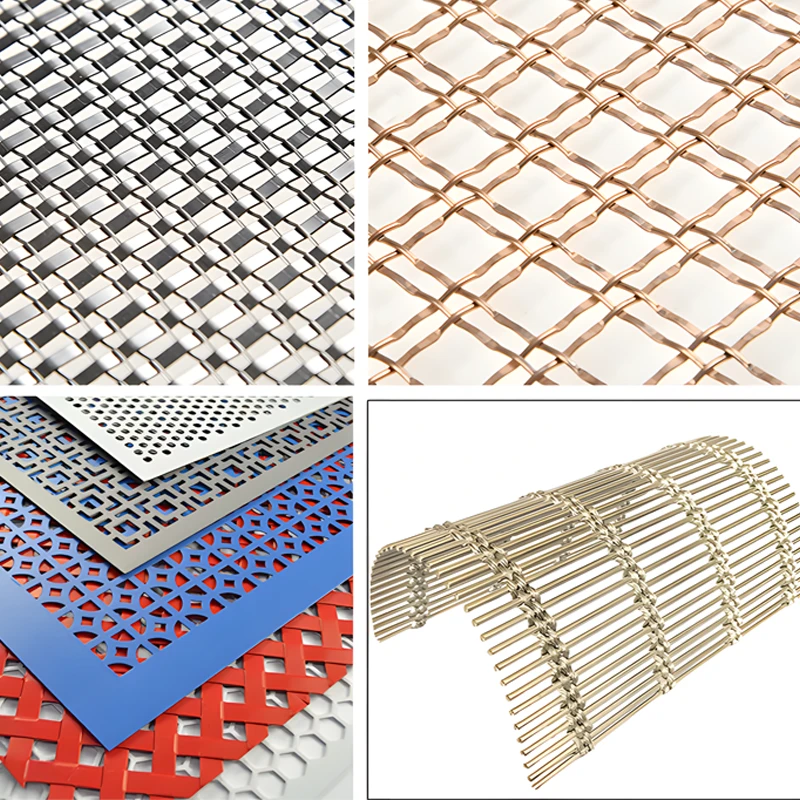
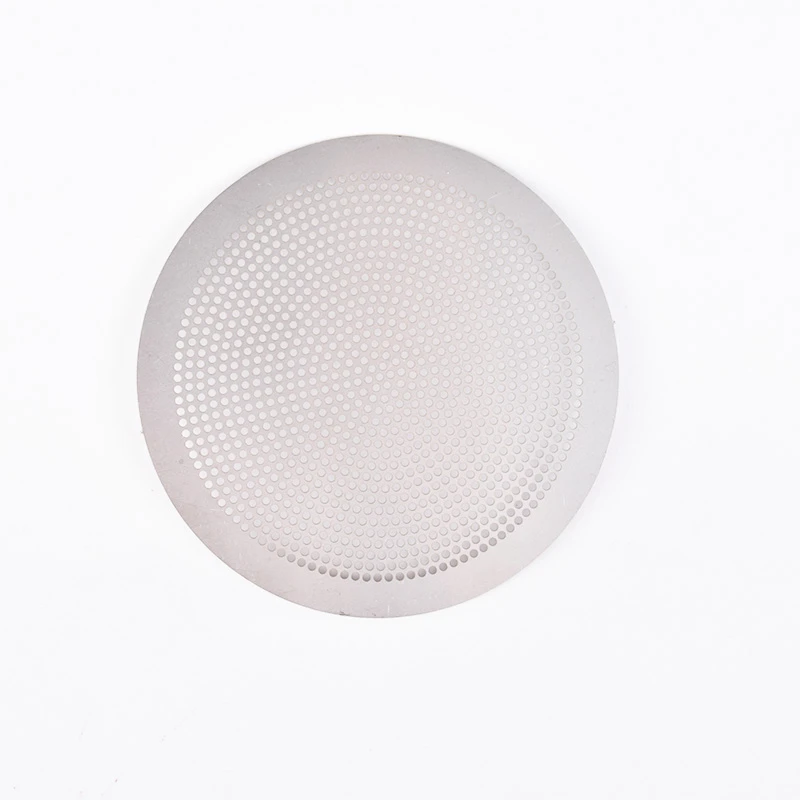
In simple terms, a perforated metal filter is a sheet or plate of metal that's been mechanically punched with a pattern of holes or slots. These openings allow liquids, gases, or small particles to pass while filtering out larger debris or unwanted material. Commonly made from stainless steel, aluminum, or carbon steel, these filters combine durability with precision engineering.
In industries ranging from food processing to wastewater treatment, these filters are vital components, helping to ensure quality, safety, and reliability. Oddly enough, their straightforward design belies a complex balance of strength and permeability that's critical to operational success.
Key Factors Defining Perforated Metal Filters
Durability
The metals used in these filters must withstand corrosive elements, extreme temperatures, and frequent cleaning cycles. Stainless steel is the king here, offering longevity without compromising pore integrity.
Scalability
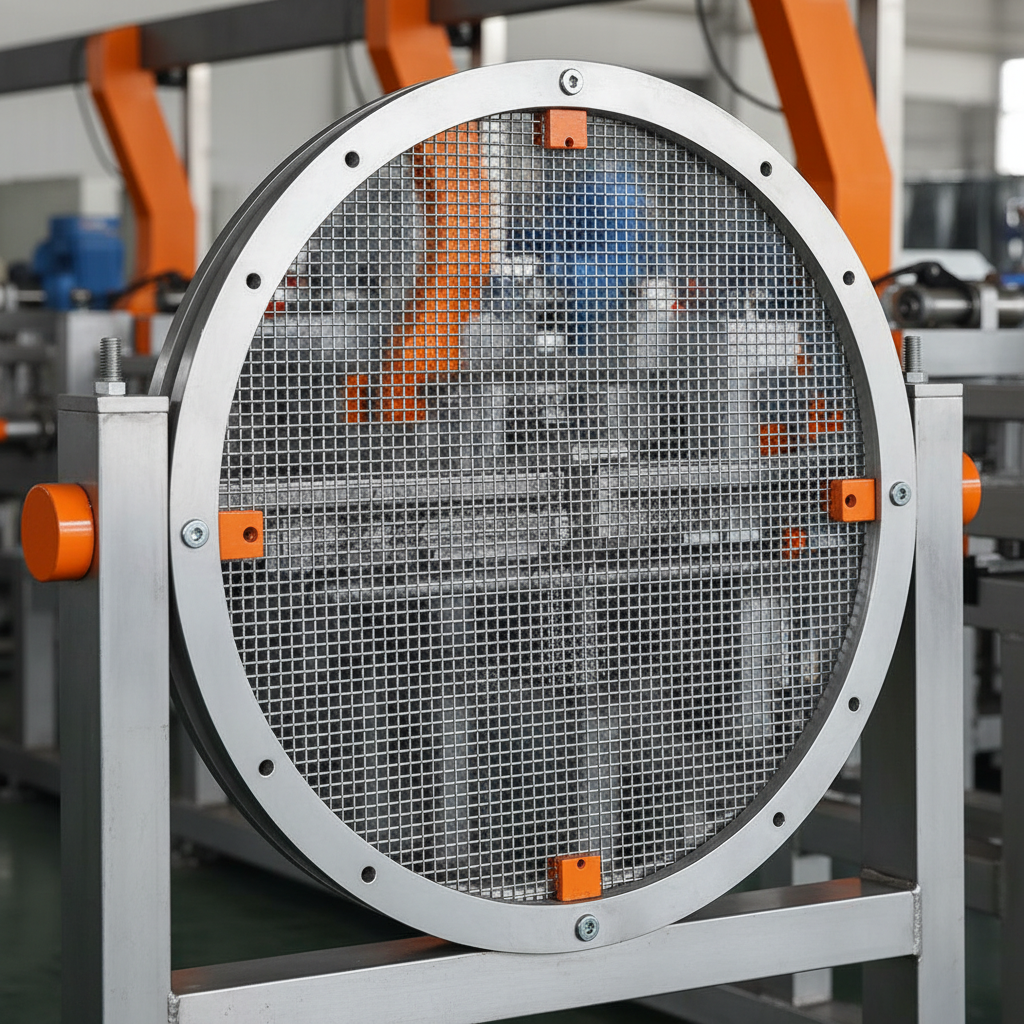
Whether it’s a tiny home water purifier or large industrial-grade filtration unit, perforated filters can be customized in size, shape, and hole pattern, making them incredibly versatile.
Cost Efficiency
Compared to woven wire mesh or ceramic filters, metal perforated sheets often have a lower maintenance cost and higher throughput, meaning less downtime—a critical factor in manufacturing lines or chemical plants where delays cost money.
Customization & Precision
You can tailor hole diameter, shape, and pattern to optimize filtering for specific particle sizes or flow rates, which is incredibly important for applications like oil refinement or pharmaceutical production.
Environmental Resistance
Especially when coated or treated, these filters resist oxidation and degradation, ensuring that industrial wastewater or air emissions are reliably filtered over extended periods.
Mini takeaway: The magic of perforated metal filters lies in their ability to marry toughness with customization, helping industries solve filtration challenges precisely and economically.
Global Applications & Use Cases of Perforated Metal Filters
- Water Treatment Plants: Filtering particulate pollutants in urban water supplies from Europe to Asia.
- Food & Beverage Industry: Ensuring clean air and liquids in processing plants worldwide, for example, breweries in Germany or juice factories in Brazil.
- Oil and Gas: Equipment protection and filtration in remote extraction sites like the North Sea or West Africa.
- Disaster Relief: Portable filtration units in post-disaster zones in Southeast Asia use perforated metal filters to ensure safe drinking water.
- HVAC Systems: Hospitals, data centers, and airports globally rely on them for air quality and machine protection.
Mini takeaway: Their widespread utility in diverse environments underscores the global reliance on perforated metal filters for quality control and public safety.
Advantages & Long-Term Value
Why do companies and organizations keep coming back to these filters? The advantages are manifold. Perforated metal filters bring cost savings through durability and minimal replacement frequency. They are recyclable, contributing to sustainability goals—something increasingly critical to corporations with ambitious ESG targets.
There’s also a strong social component. Reliable filtration means cleaner water, safer workplaces, and healthier communities. In humanitarian contexts, it literally supports dignity and survival.
Product Specification Table
| Specification | Details / Range |
|---|---|
| Material | Stainless steel, aluminum, carbon steel |
| Hole Diameter | 0.5 mm to 20 mm (customizable) |
| Sheet Thickness | 0.3 mm to 10 mm |
| Pattern Types | Round, square, slotted perforations |
| Max Sheet Size | Up to 2m x 6m sheets |
Vendor Comparison: Leading Perforated Metal Filter Suppliers
| Supplier | Material Options | Customization | Delivery Time | Price Range |
|---|---|---|---|---|
| QH Filters | Stainless, Aluminum, Carbon Steel | High (Any hole pattern/size) | 2-4 weeks | Moderate |
| MetalMesh Inc. | Stainless Steel Only | Medium | 3-6 weeks | Higher |
| Global Filters LTD | Carbon Steel, Aluminum | Low | 1-2 weeks | Low |
Future Trends & Innovations in Perforated Metal Filters
Looking ahead, the future of perforated metal filters seems intertwined with green technology and digital transformation. Manufacturers are exploring coatings that reduce biofouling to extend maintenance intervals, which frankly could be revolutionary in remote or sensitive environments.
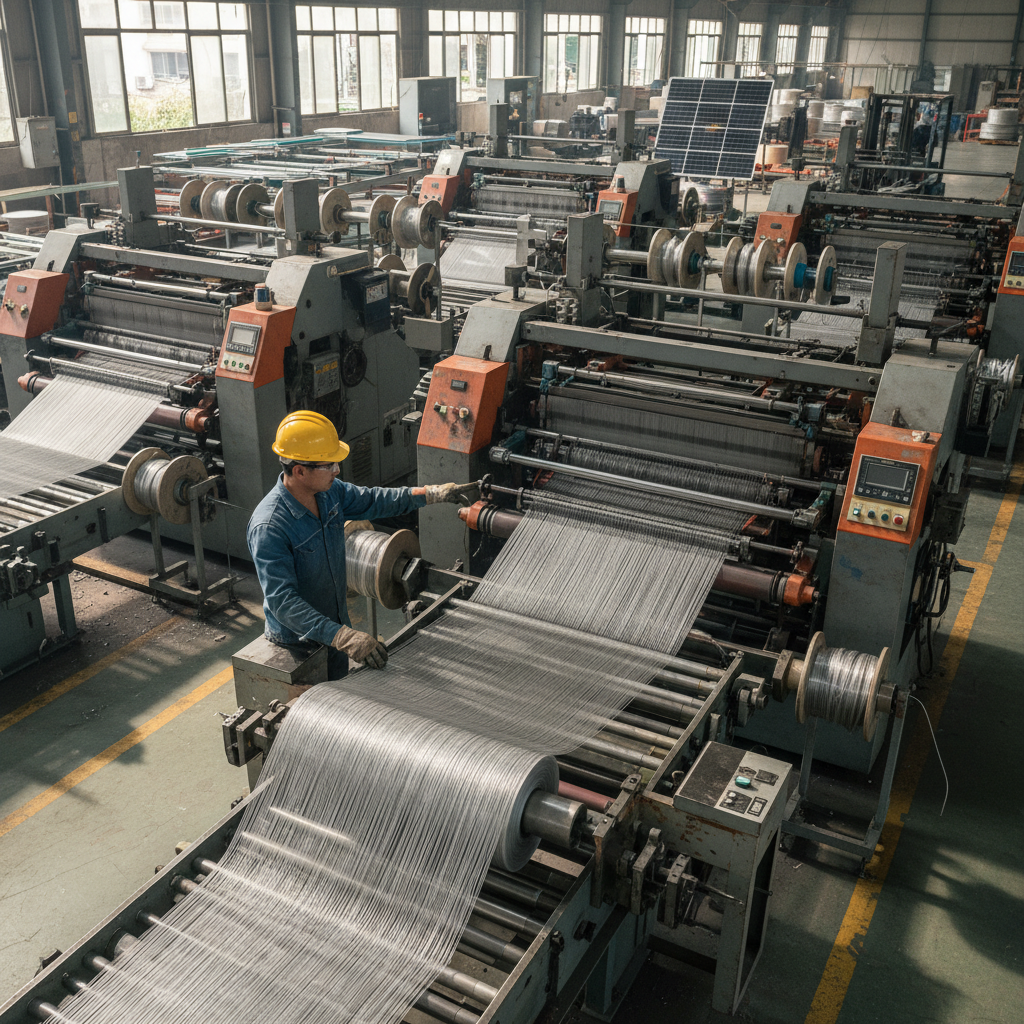
Automation and AI-enabled manufacturing processes are improving hole pattern precision and throughput, increasing customization while cutting costs. Oddly enough, we’re also seeing interest in recyclable and environmentally friendly metals to reduce the carbon footprint of producing these filters.
Challenges & Solutions in Current Use
Of course, no technology is without its limitations. One common problem is clogging, especially in wastewater applications with high sediment content. However, innovations like self-cleaning mechanisms and improved back-flushing designs mitigate these issues effectively.
Another challenge is balancing pore size with flow rate; it’s a tightrope walk between filtering efficiently and maintaining throughput. Expert engineering and partnering with reliable vendors like QH Filters ensure customization meets exact operational needs.
FAQ: Frequently Asked Questions About Perforated Metal Filters
- What materials are best for corrosive environments?
Stainless steel, particularly grades 316 and 304, offer excellent corrosion resistance. For extremely harsh environments, alloys with enhanced chemical resistance are also available. - Can the hole size be customized for different filtration requirements?
Absolutely. Hole diameter, shape, and pattern can be tailored to specific particle sizes, flow rates, and pressure conditions. - How long do perforated metal filters typically last?
With proper maintenance, these filters can last many years—often 5 to 10 or more—making them a cost-effective solution over time. - Are perforated metal filters reusable or disposable?
They are generally reusable. Many operations clean and refurbish filters regularly to maintain efficiency. - How quickly can customized filters be delivered?
Delivery timelines vary by vendor, but typically, custom perforated filters can be produced within 2-6 weeks.
Conclusion: Perforated Metal Filters — Small Yet Mighty
It’s clear the perforated metal filter is much more than a sheet of punched metal; it’s a linchpin in industrial, environmental, and humanitarian operations worldwide. Their durability, adaptability, and cost-effectiveness make them an enduring choice as industries strive to meet global challenges sustainably.
Curious to see how perforated metal filter solutions can work for your projects? Visit our website to explore products and expert advice tailored to your needs.
Every great filter begins with the right design—and quite a bit of practical experience.