Comprehensive Guide to Metal Mesh Filter Screens: Benefits, Applications, and Industry Insights
Understanding the Role of Metal Mesh Filter Screens in Modern Industry
Metal mesh filter screens might not be the flashiest topic at your next dinner party, but if we think about clean water, industrial safety, or even the air we breathe, their impact becomes very clear, very fast. Globally, these seemingly simple products address complex challenges—removing contaminants, protecting machinery, or even ensuring product purity in critical sectors. Frankly, without them, many industries would face costly downtime, environmental hazards, or health risks.
This article will explore what metal mesh filter screens are, why they matter on a global scale, and the key benefits they bring. By the end, you’ll see why they’re indispensable in sectors ranging from water treatment to aerospace, and why keeping up with innovations in this area is essential for both industry players and humanitarian organizations alike.
Global Context: Why Metal Mesh Filter Screens Matter
On a big-picture level, consider the World Bank’s recent data highlighting how 2.2 billion people lack safely managed drinking water services. Metal mesh filter screens play a subtle yet vital role here—they are used extensively in filtration systems to remove particulate contaminants, making water safer and more accessible.
Industrially, ISO standards for filtration systems drive innovation and consistency globally, fostering an environment where these screens help mitigate risks—from protecting sensitive electronics during manufacturing, to filtering harmful emissions and ensuring compliance with environmental laws.
But the problem they solve isn’t just technical. In disaster zones, for example, damaged infrastructure means people rely on portable filtration that often incorporates metal mesh filter screens. Their durability and reusability make a big difference where resources are scarce.
What Is a Metal Mesh Filter Screen?
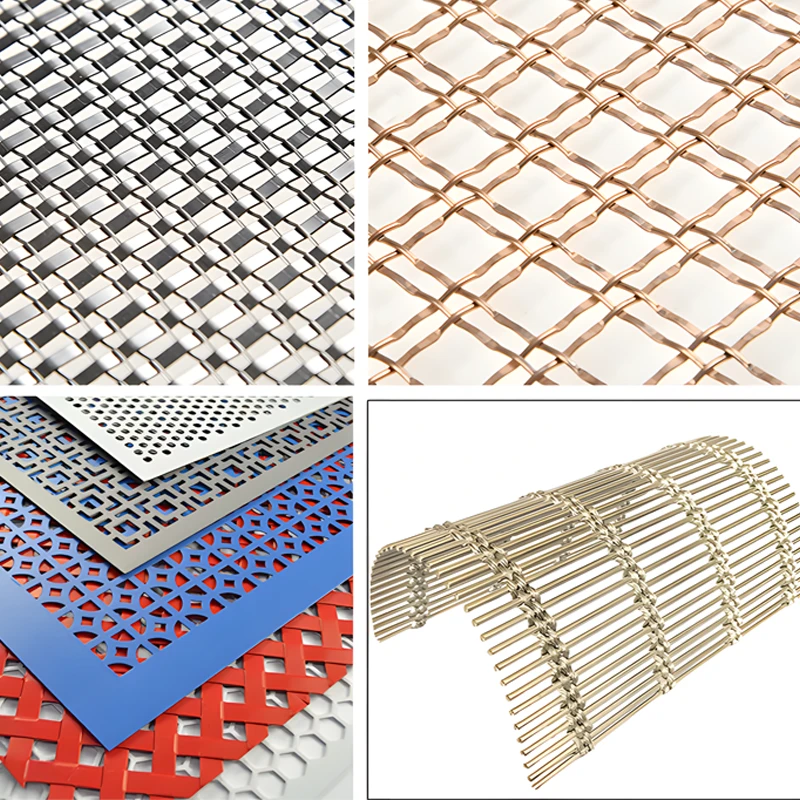
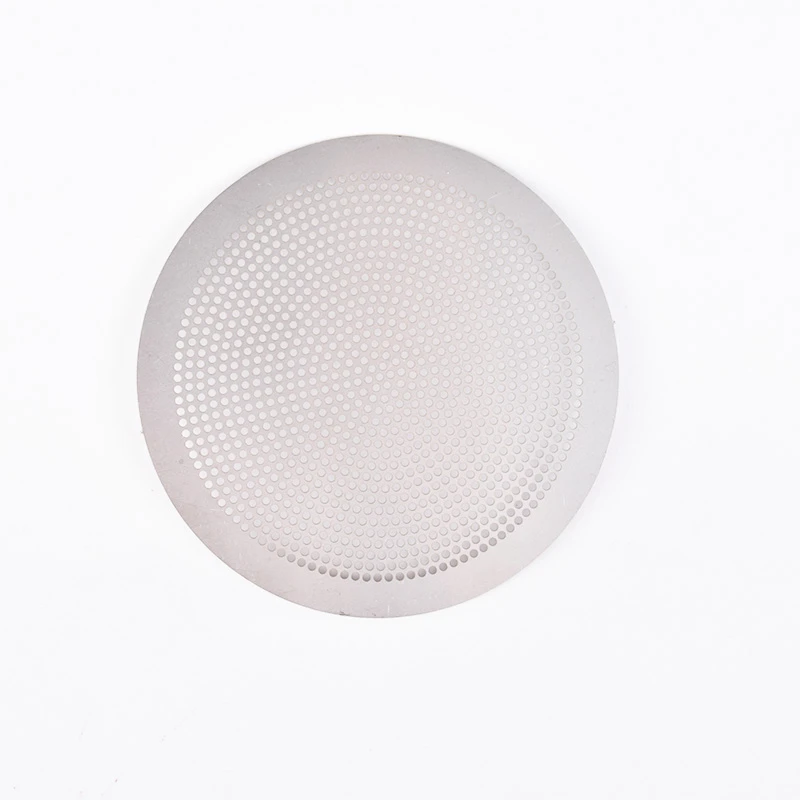
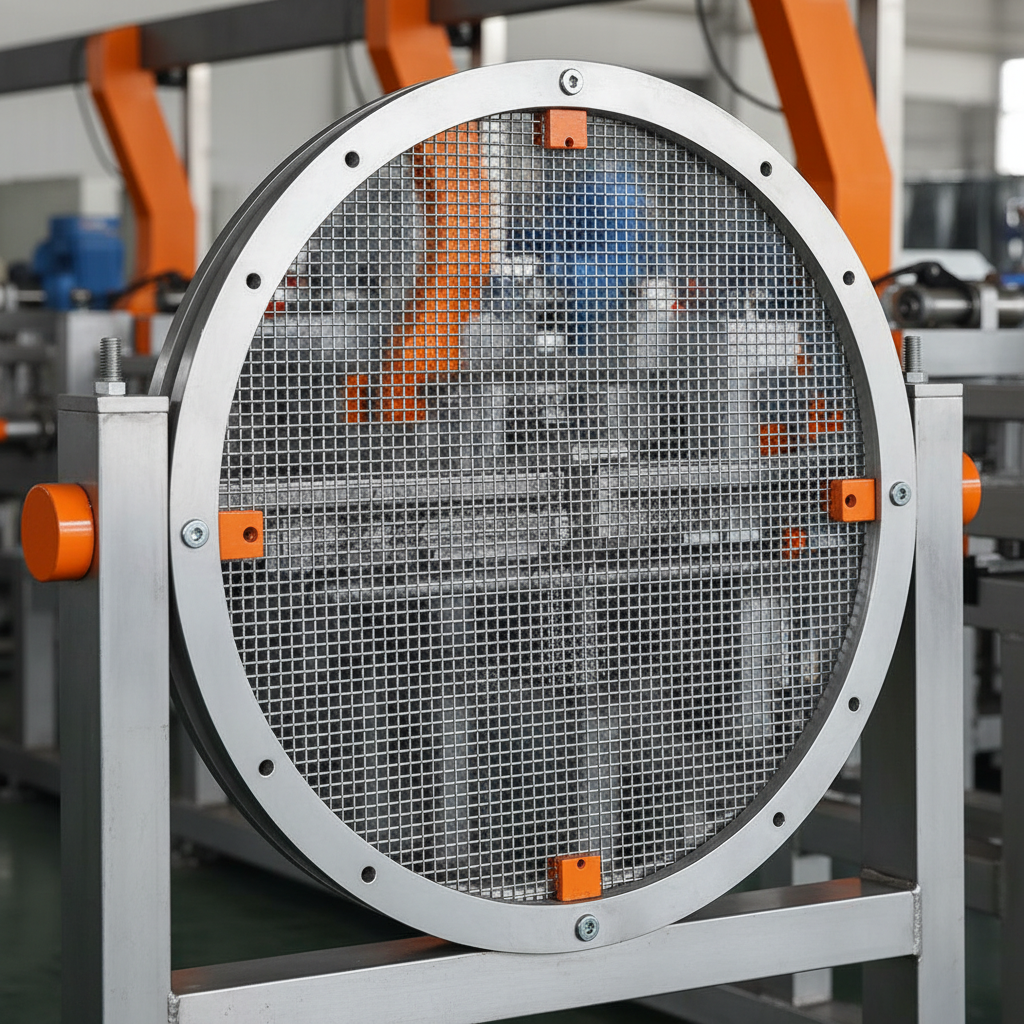
In simple terms, a metal mesh filter screen is a tightly woven fabric or grid made from metal wires—commonly stainless steel, brass, or copper—that acts as a sieve. It lets liquids or gases pass while trapping unwanted particles. The weave size, wire diameter, and material determine what can be filtered and the screen’s durability.
These filters have found a permanent home in modern industry, whether it’s ensuring clean fuel reaches combustion engines or maintaining the purity of pharmaceutical compounds. Oddly enough, while the concept is old—woven wire has been used for centuries—their modern applications have evolved dramatically, responding to materials science and engineering advances.
Core Factors That Define Metal Mesh Filter Screens
1. Durability and Corrosion Resistance
Since they often operate in harsh environments—chemicals, high pressure, or thermal stress—they must resist corrosion. Stainless steel meshes are especially prized for their longevity, shrinking replacement cycles and saving companies substantial costs.
2. Precision and Filtration Efficiency
The mesh size and wire thickness directly influence the filter’s performance. For example, finer meshes trap smaller particles but tend to clog faster. Many engineers balance this trade-off depending on application needs.
3. Scalability and Customization
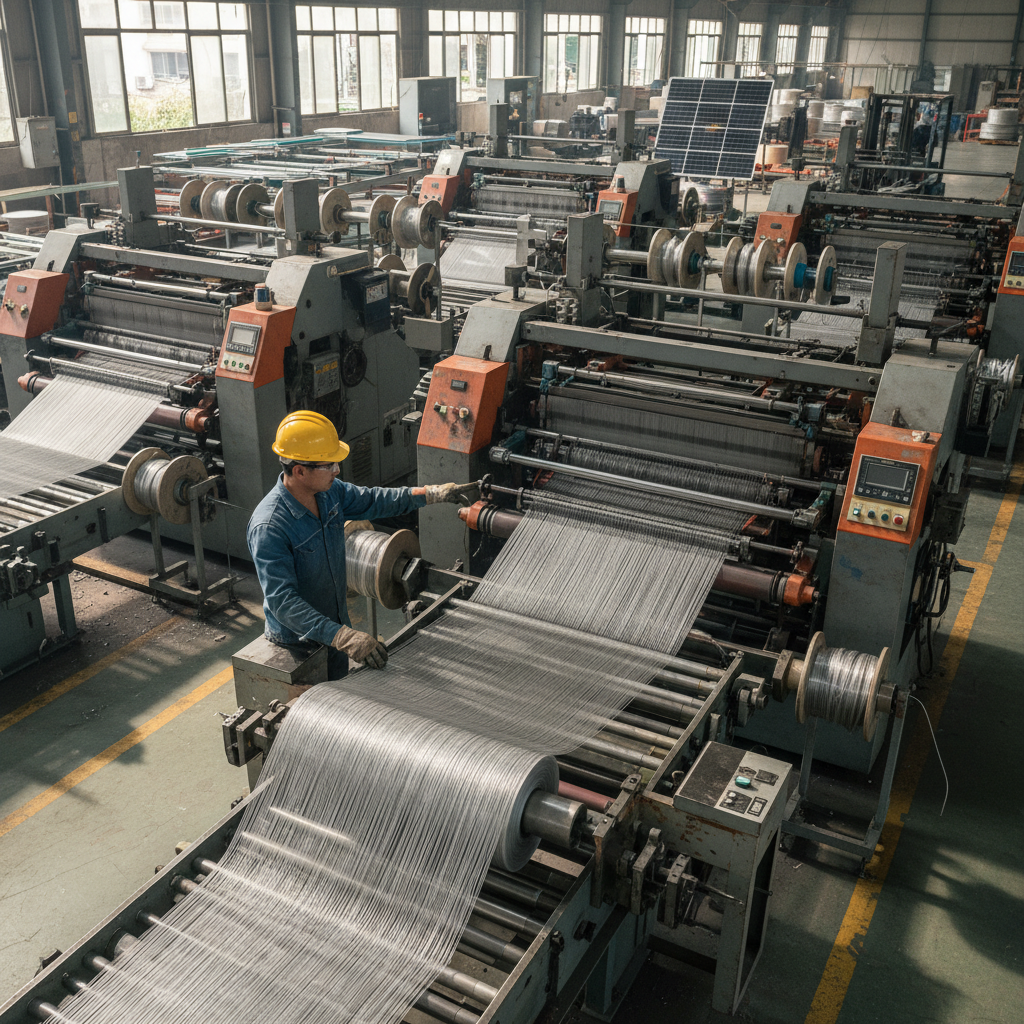
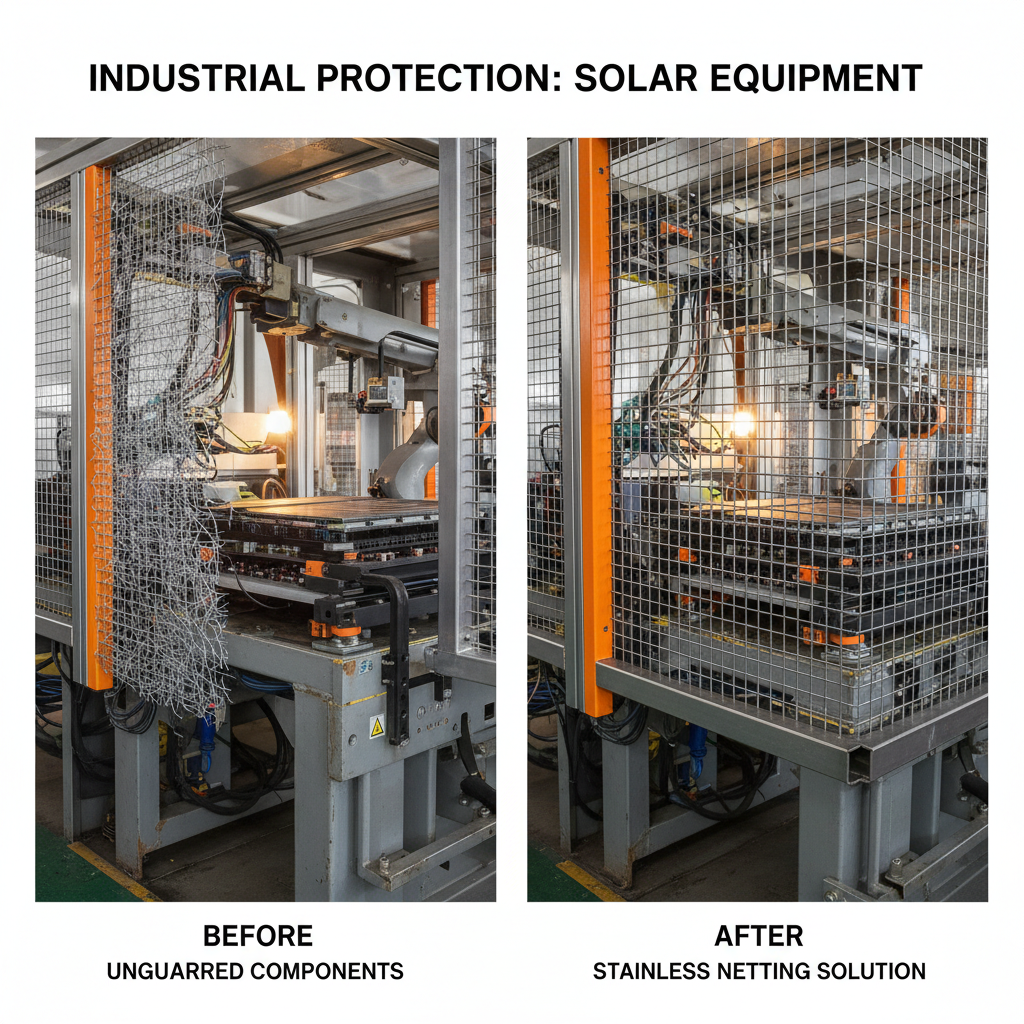
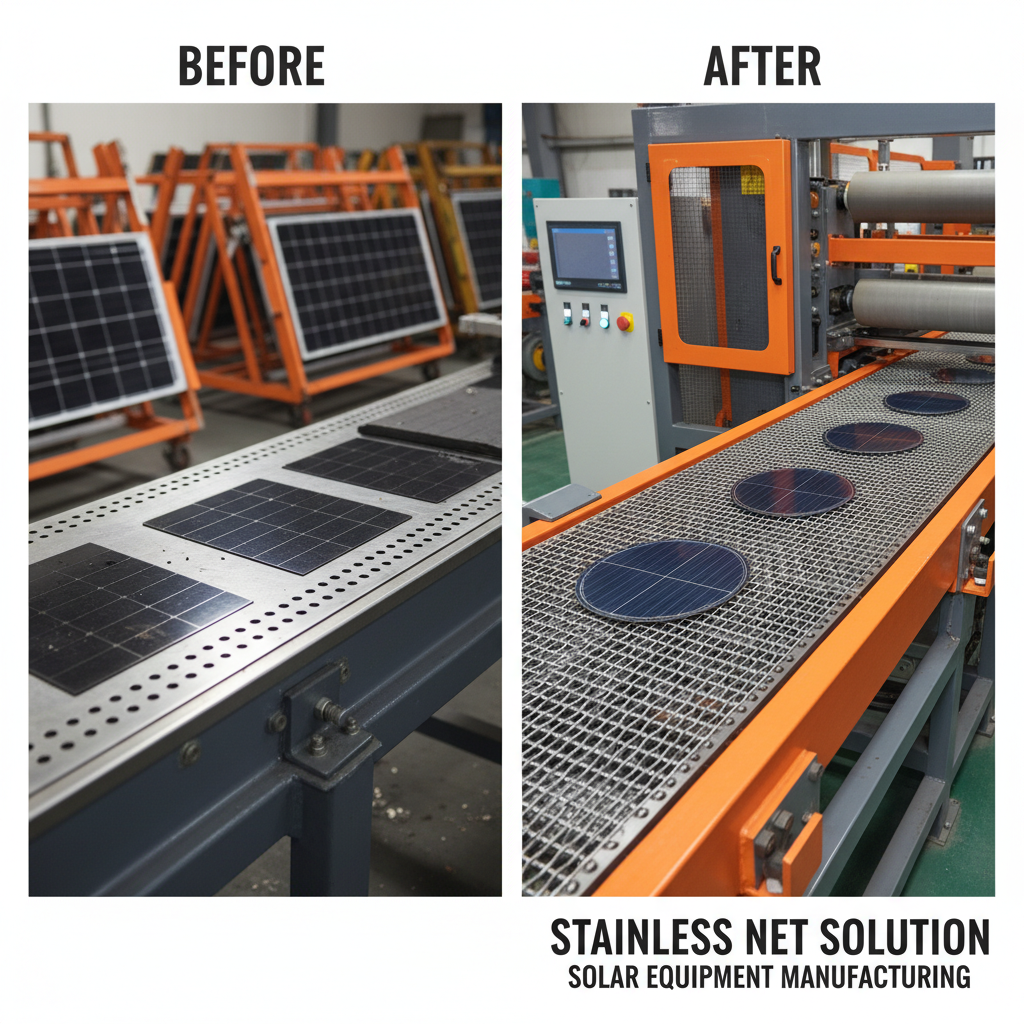
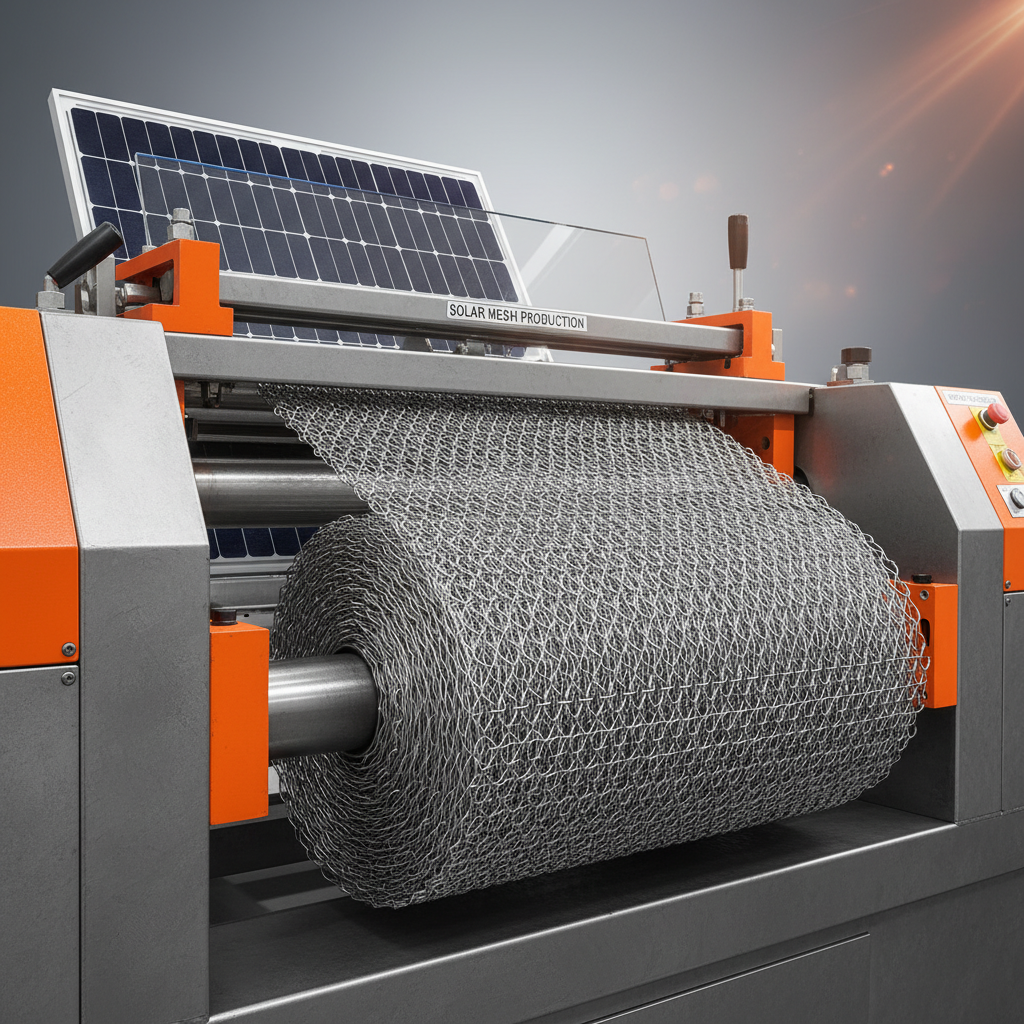
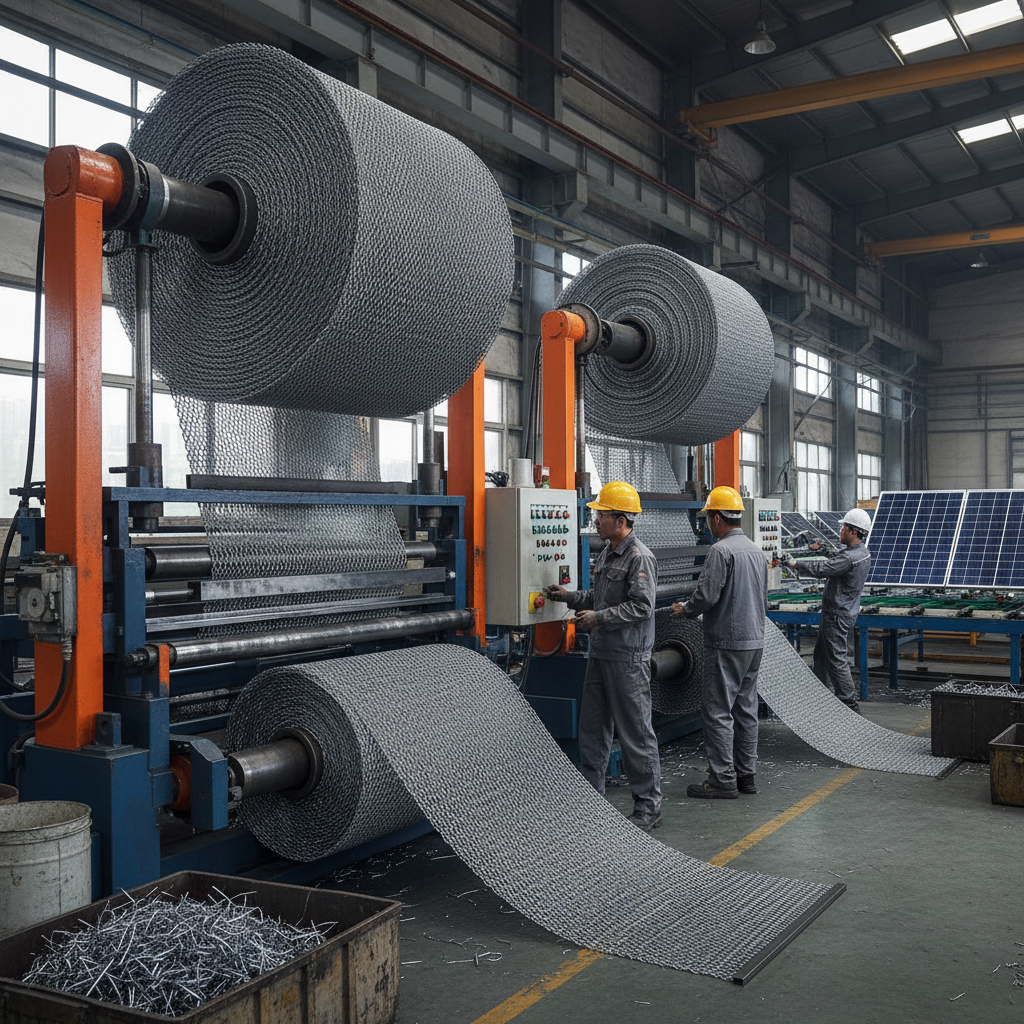
Metal mesh filter screens can be produced in huge rolls or custom-sized sections, adapted to everything from large water treatment plants to small electronic filters. Manufacturers often offer bespoke weaves or multi-layered meshes for enhanced filtration.
4. Cost-Efficiency Over Lifecycle
Initially, metal meshes might cost more than polymer-based filters, but their reusability and strength often make them more economical in the long run. For industries where downtime can be catastrophic, this cost-benefit analysis is crucial.
5. Environmental Sustainability
Unlike disposable filters, metal mesh screens support cleaning and reuse. This reduces waste and contributes to circular economy initiatives—which, given today’s climate goals, means this isn’t just a nice-to-have but a must-have.
Practical Specifications of a Typical Stainless Steel Metal Mesh Filter Screen
| Specification | Value | Notes |
|---|---|---|
| Material | 304 Stainless Steel | Corrosion resistant, general purpose |
| Mesh Size | 100 x 100 mesh | Particles >150 microns filtered |
| Wire Diameter | 0.1 mm | Affects strength and pore size |
| Thickness | 0.3 mm | Standard single layer |
| Max Operating Temp | 870 °C | Ideal for high-temp industrial filtration |
Applications Across the Globe
From North America’s refining industry to Asia’s burgeoning pharmaceutical sector, metal mesh filter screens have diverse applications. In water treatment plants in Europe, they remove sediments and debris to protect downstream synthesis. In the U.S., aerospace manufacturers rely on stainless steel meshes as fuel line filters, ensuring safety in extreme conditions.
Humanitarian organizations working in remote disaster zones often use portable water filtration units with metal mesh filters to provide immediate relief. Oddly enough, these screens’ robustness under re-use cycles makes them crucial in low-resource settings where supply chains are uncertain.
Advantages & Long-Term Benefits
- Cost savings: Reusability means fewer replacements, fewer disruptions.
- Sustainability: Metal mesh can be recycled or refurbished, aligning with sustainability goals.
- Reliability: Consistent filtration quality safeguards equipment and health.
- Safety and dignity: Ensuring clean drinking water or uncontaminated air promotes well-being in communities and workplaces.
- Innovation adoption: Companies adopting advanced mesh technologies lead in product quality and compliance.
One customer story I recall: a petrochemical plant in Texas replaced disposable filters with stainless steel mesh screens—cutting costs by 30% annually while minimizing environmental waste. That’s a tangible win on multiple fronts.
Future Trends & Innovations
The future for metal mesh filter screens is bright and, frankly, quite exciting. Green energy initiatives are pushing for lighter, more corrosion-resistant materials like titanium alloys. Digital transformation means some filters now integrate microscopic sensors for real-time clogging detection—automated alerts that minimize downtime.
Manufacturers are also developing composite meshes that combine metal with polymer layers for enhanced filtration without sacrificing strength. Sustainability remains a driver, with industry standards increasingly rewarding eco-friendly manufacturing and lifecycle designs.
Challenges & How Experts Overcome Them
One major limitation is clogging, which affects filtration efficiency and lifespan. Cleaning can be labor-intensive and sometimes costly. Experts suggest multi-layered mesh designs and easy-disassemble filter housings to facilitate maintenance. Additionally, advances in surface coatings reduce particle adhesion, improving throughput.
Cost barriers for smaller businesses remain a concern. However, innovative sourcing and modular designs enable scalable implementation, even for tight budgets. So, while challenges are real, the industry’s adaptive strategies give cause for optimism.
Frequently Asked Questions About Metal Mesh Filter Screens
- Q: How do I choose the right mesh size for my filtration needs?
- A: Consider the particle size you need to filter out. Mesh size generally refers to the number of openings per inch, with higher numbers filtering finer particles. Assess factors like flow rate and media type. Consulting with manufacturers and referencing industry standards helps find the best fit.
- Q: Can metal mesh filter screens be cleaned and reused?
- A: Yes, that’s one of their biggest advantages. Cleaning methods include backflushing, ultrasonic cleaning, or chemical washes, depending on the contaminant and mesh durability. Proper cleaning extends service life and reduces waste.
- Q: Are metal mesh filter screens safe for potable water filtration?
- A: Stainless steel meshes made from food-grade materials are widely used in potable water filtration systems. They resist corrosion and do not leach harmful chemicals, making them safe when properly maintained.
- Q: How does mesh screen thickness affect filtration?
- A: Thicker mesh screens offer greater strength and durability, ideal for high-pressure or abrasive environments. However, thickness can affect flow rates and pressure drops, so balance is key for optimal performance.
- Q: Where can I source quality metal mesh filter screens?
- A: Numerous reputable industrial suppliers offer customized solutions. Checking certifications, material specifications, and user reviews is important. For tailored needs, metal mesh filter screen vendors typically provide technical consultation.
Comparing Top Metal Mesh Filter Screen Vendors
| Vendor | Material Options | Customization | Global Reach | Pricing |
|---|---|---|---|---|
| QHFilter | SS304, SS316, Brass, Copper | High – bespoke weaves, sizes | Worldwide | Competitive |
| MeshTech Filters | SS304, Aluminum | Medium | North America, Europe | Premium |
| Global Mesh Solutions | SS316, Titanium | Low – standard sizes only | Asia-Pacific | Budget |
Conclusion: Why Keep Metal Mesh Filter Screens in Your Industrial Arsenal?
To wrap this up, metal mesh filter screens are far more than just an industrial staple—they’re a global necessity touching health, safety, environment, and industry economics. Their durability, adaptability, and sustainability make them a wise investment both now and looking ahead.
If your operations or projects demand reliable filtration solutions, don’t overlook the value of quality metal mesh screens. For tailored options and expert guidance, visit QHFilter today and take the next step in filtration excellence.
Mini takeaway: Whether you’re protecting vital equipment or helping provide clean water, metal mesh filter screens quietly keep the world running smoothly. And in an age of rapid technological change, their versatility might just surprise you.
References:
1. World Bank: Water Supply Overview
2. Wikipedia: Mechanical Filters
3. ISO Filtration Standards