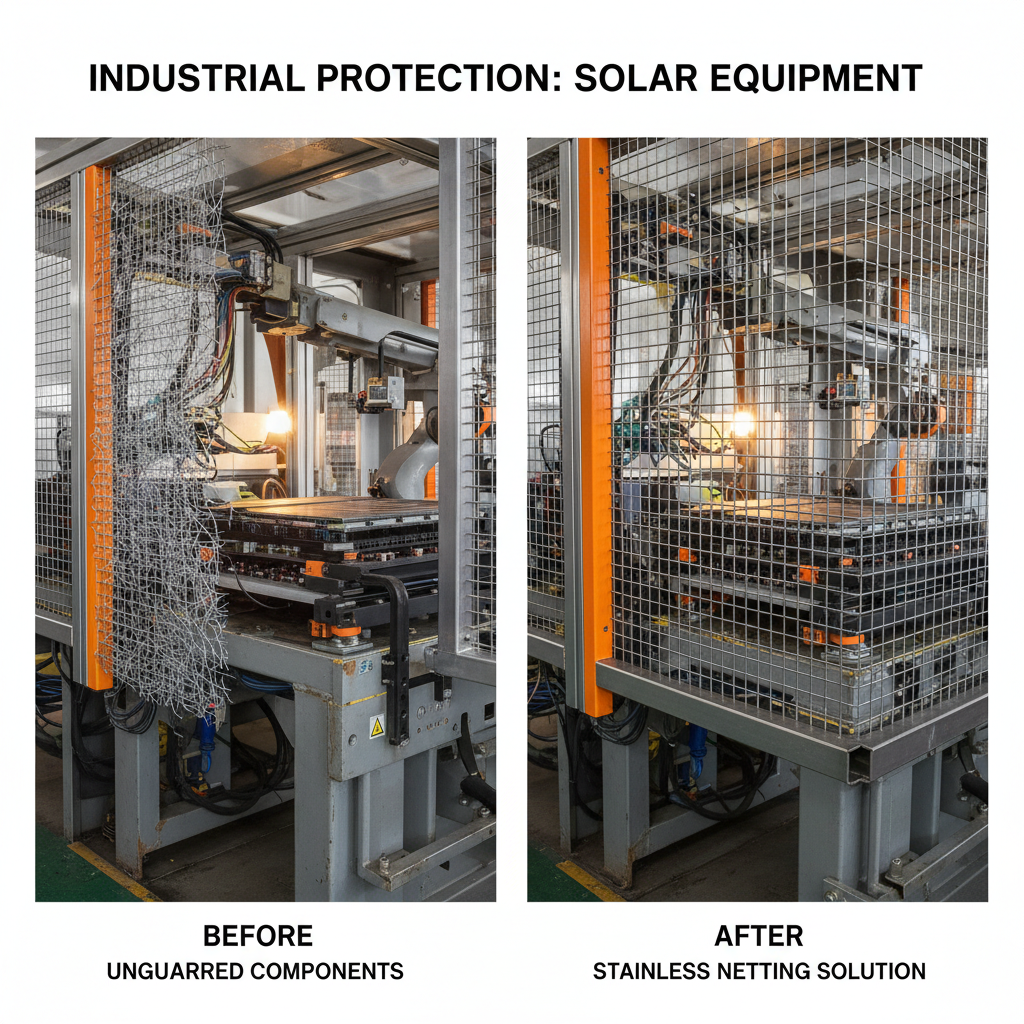
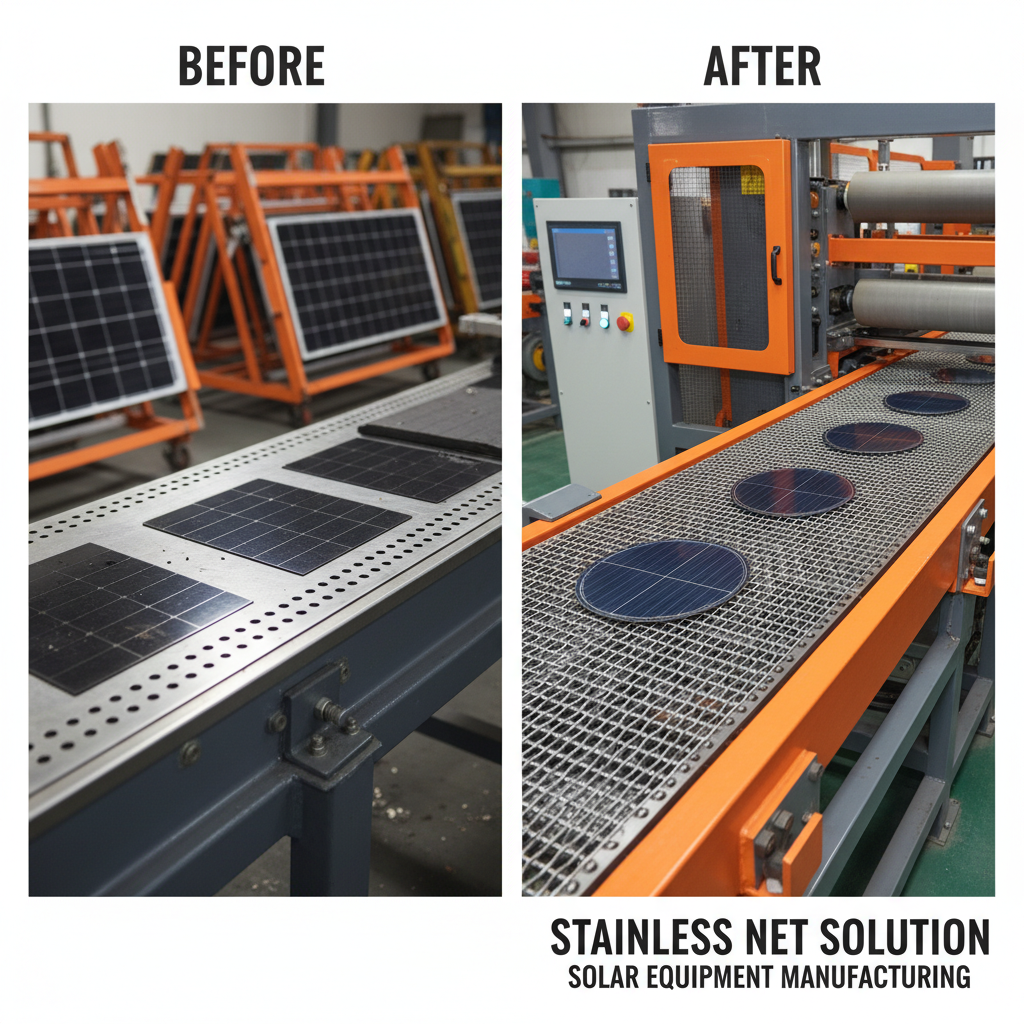
316 Stainless Wire Mesh – Durable, Versatile, and Corrosion-Resistant Solutions for Global Applications
Why 316 Stainless Wire Mesh Is a Quiet Game Changer Globally
When you hear “316 stainless wire mesh,” it probably doesn’t immediately bring to mind global infrastructure or critical humanitarian projects. Yet, this material quietly anchors many vital systems worldwide—from industrial filtration to coastal protection and even relief efforts in vulnerable regions. Understanding its properties isn't just an engineer’s curiosity; it’s about reliability, durability, and sustainability in an ever-demanding global landscape.
Worldwide demand for corrosion-resistant materials has surged — and 316 stainless wire mesh fits that bill perfectly. So why does it matter beyond the factory floor? Because everywhere from chemical plants to remote water filtration units, this mesh keeps systems running smoothly under harsh conditions. And, frankly, if you work in sectors where failure can cost lives or millions of dollars, picking the right mesh really counts.
The Global Context: Where 316 Stainless Wire Mesh Makes a Difference
According to ISO and industry reports, corrosion costs the global economy over $2.5 trillion annually. With increasing industrialization and environmental concerns, materials like 316 stainless have become indispensable. The United Nations has also promoted durable, sustainable infrastructure as part of its SDGs (Sustainable Development Goals), which drive demand for materials that can withstand corrosive environments, especially in coastal and chemical-heavy industries.
There’s a problem here: many metals degrade quickly in harsh environments, leading to premature equipment failure, environmental contamination, and extra maintenance budgets that no one budget holder wants to sign off on. If you’re trying to build a long-lasting filtration system in a coastal desalination plant, or secure a landfill's containment systems, 316 stainless wire mesh isn't just helpful—it’s critical.
What Exactly Is 316 Stainless Wire Mesh?
In the most straightforward terms, 316 stainless wire mesh is a woven or crimped mesh made of stainless steel alloy 316, known for superior corrosion resistance especially against chlorides and acidic environments. This alloy typically contains 16–18% chromium, 10–14% nickel, and 2–3% molybdenum—the molybdenum addition being a big reason it resists pitting corrosion better than the more common 304 stainless.
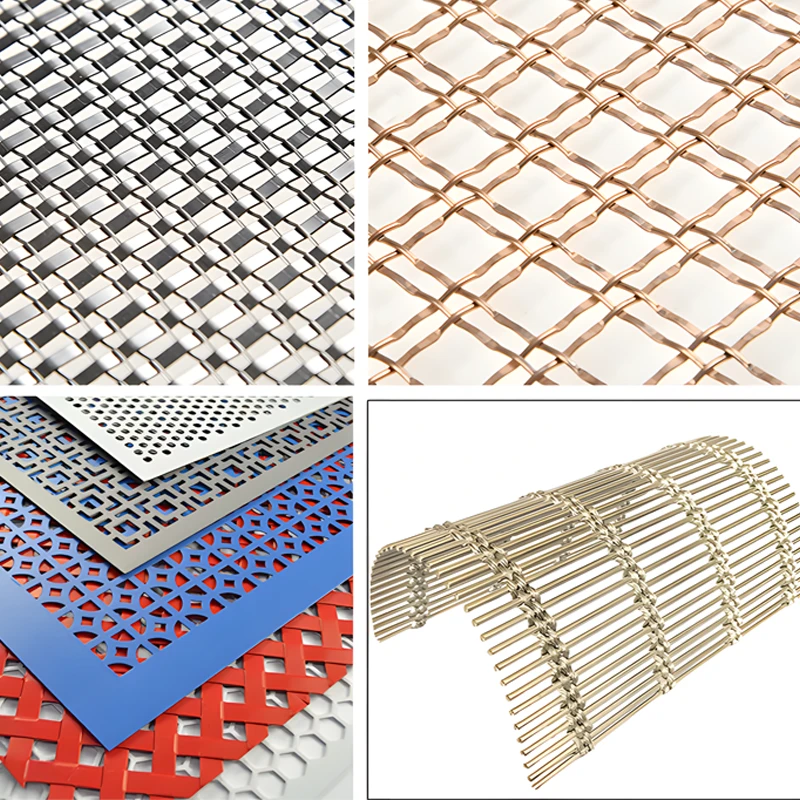
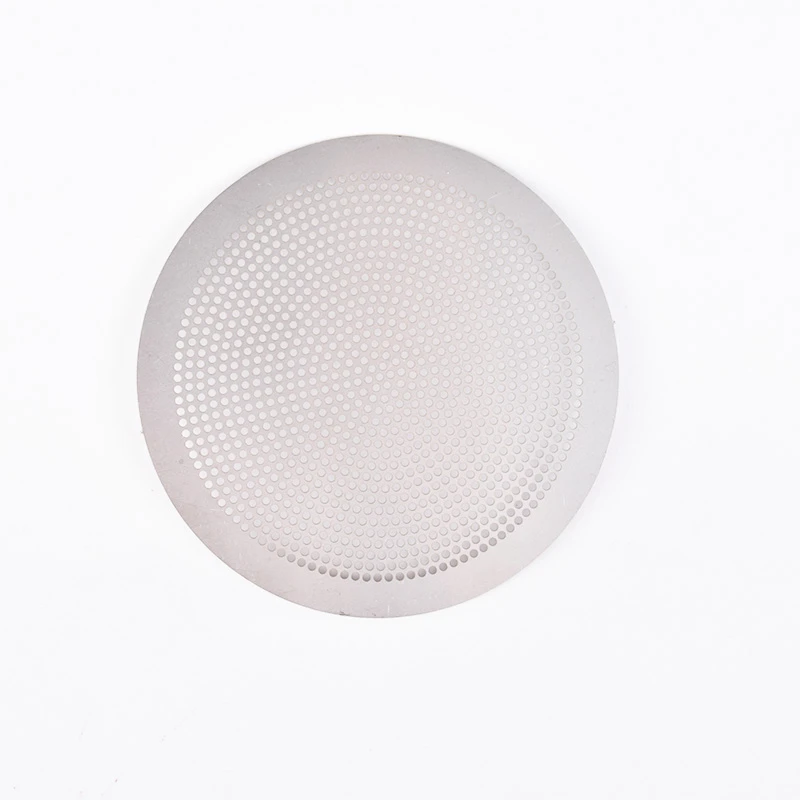
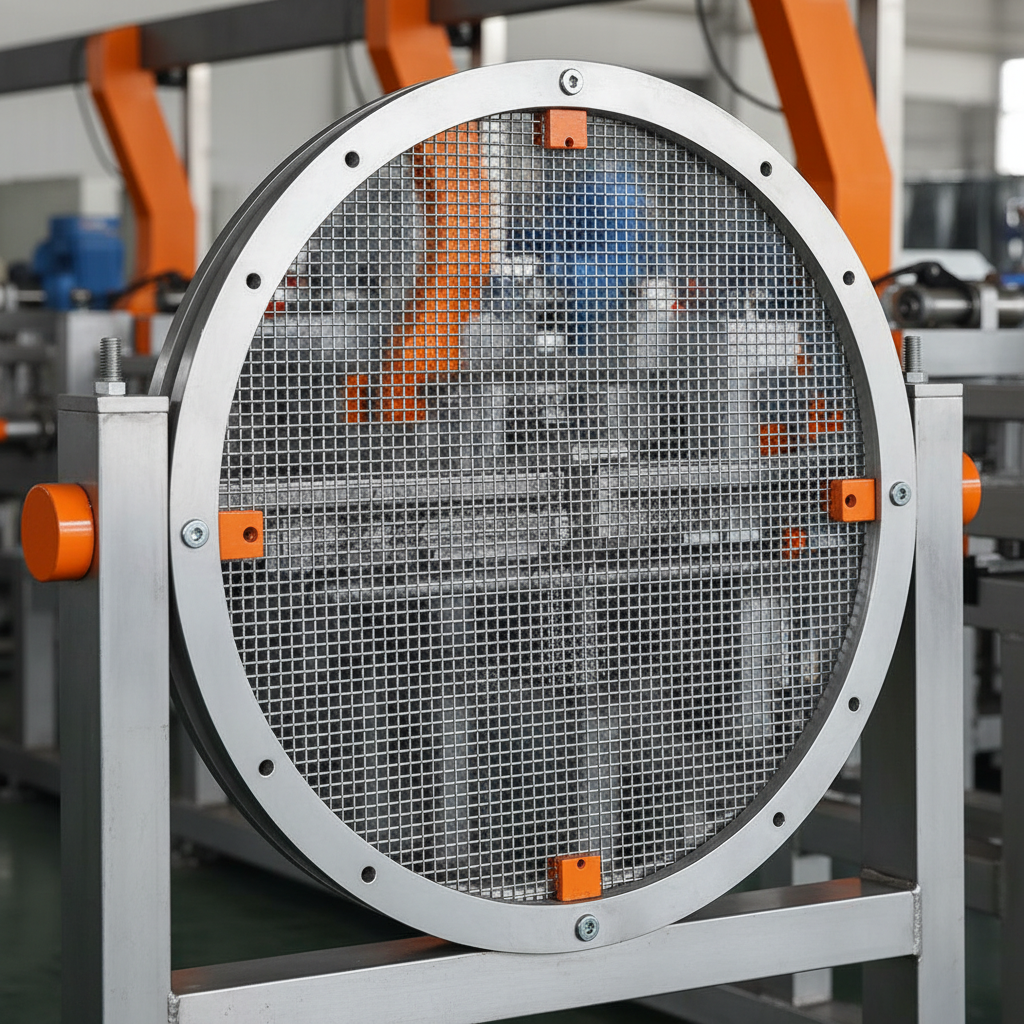
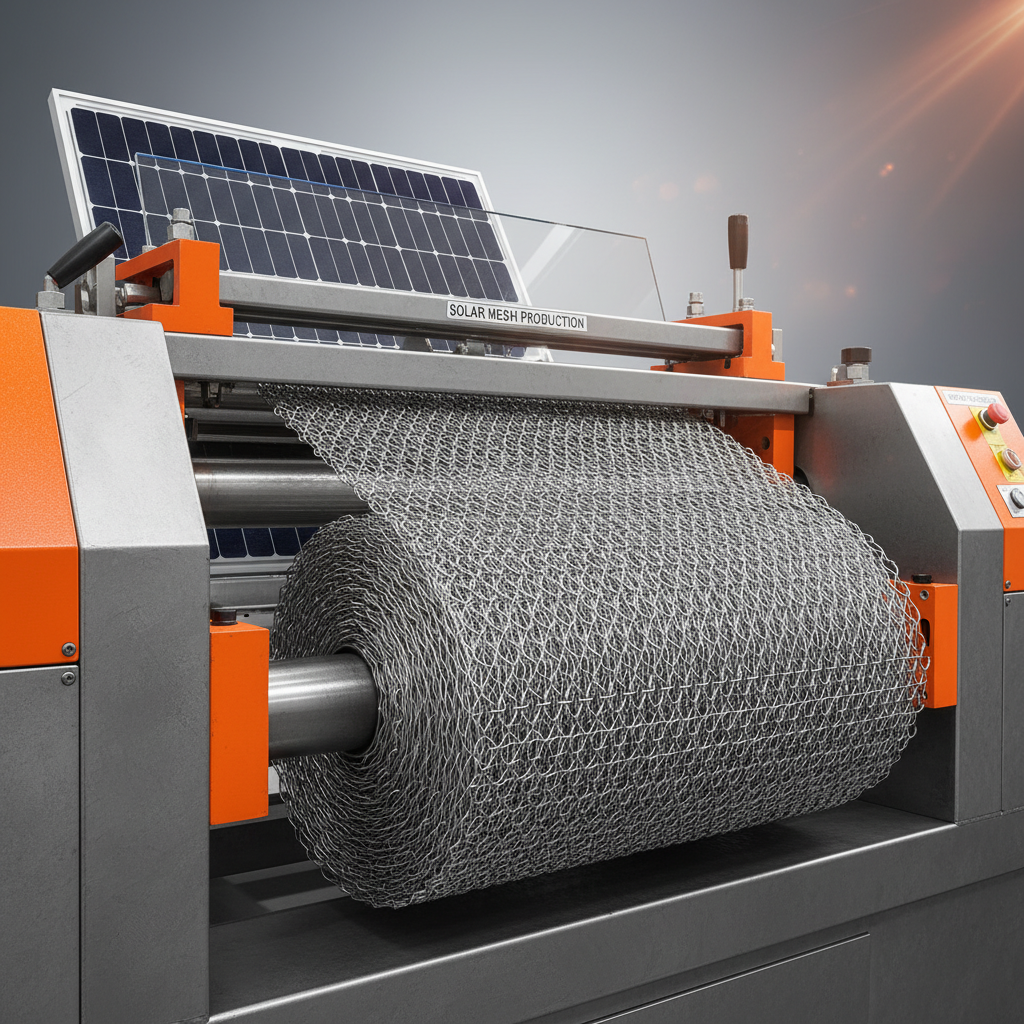
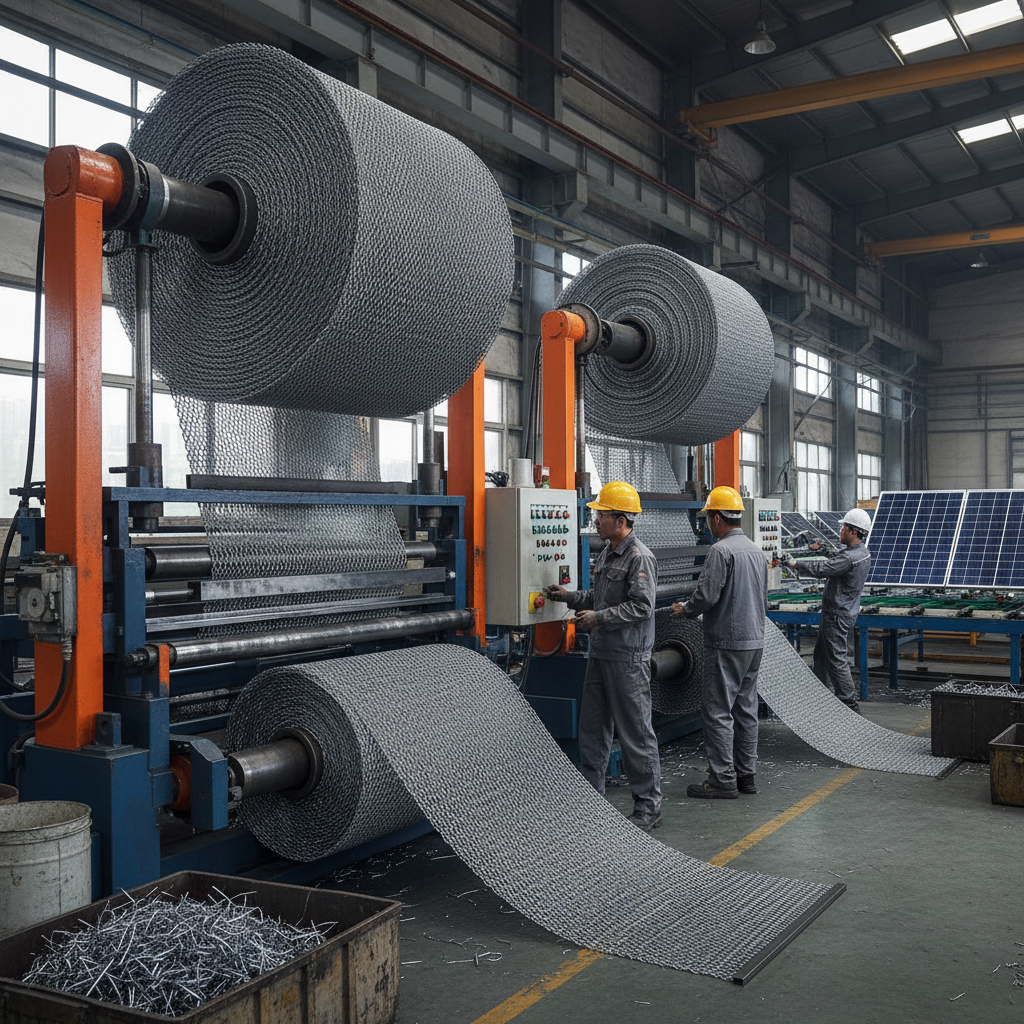
This mesh can be found in sheets, rolls, and specially woven forms with various wire gauges and opening sizes—customized depending on whether it's being used to filter liquids, protect machinery, or provide structural reinforcement. It’s a staple wherever toughness meets precision.
Thinking about it beyond specs, 316 stainless wire mesh serves modern industry and humanitarian initiatives alike by offering reliable, low-maintenance solutions that hold up where cheaper alternatives simply can’t last.
Core Attributes That Define 316 Stainless Wire Mesh
Durability & Corrosion Resistance
This is the headline talent of 316 stainless wire mesh. The alloy’s composition provides long-lasting resistance to moisture, salt spray, and oxidizing chemicals—critical in coastal, marine, and chemical processing environments. Oddly enough, many engineers say it’s this molybdenum that keeps pores and cracks from forming, preventing ultimate failure.
Versatility & Scalability
Wire mesh made from 316 stainless steel can be woven in countless patterns and thicknesses, which makes it adaptable from micro-filtration to heavy-duty reinforcement in construction. As industries grow and demands diversify, this scalability keeps it relevant — whether you’re protecting semiconductor cleanrooms or building erosion barriers.
Ease of Fabrication
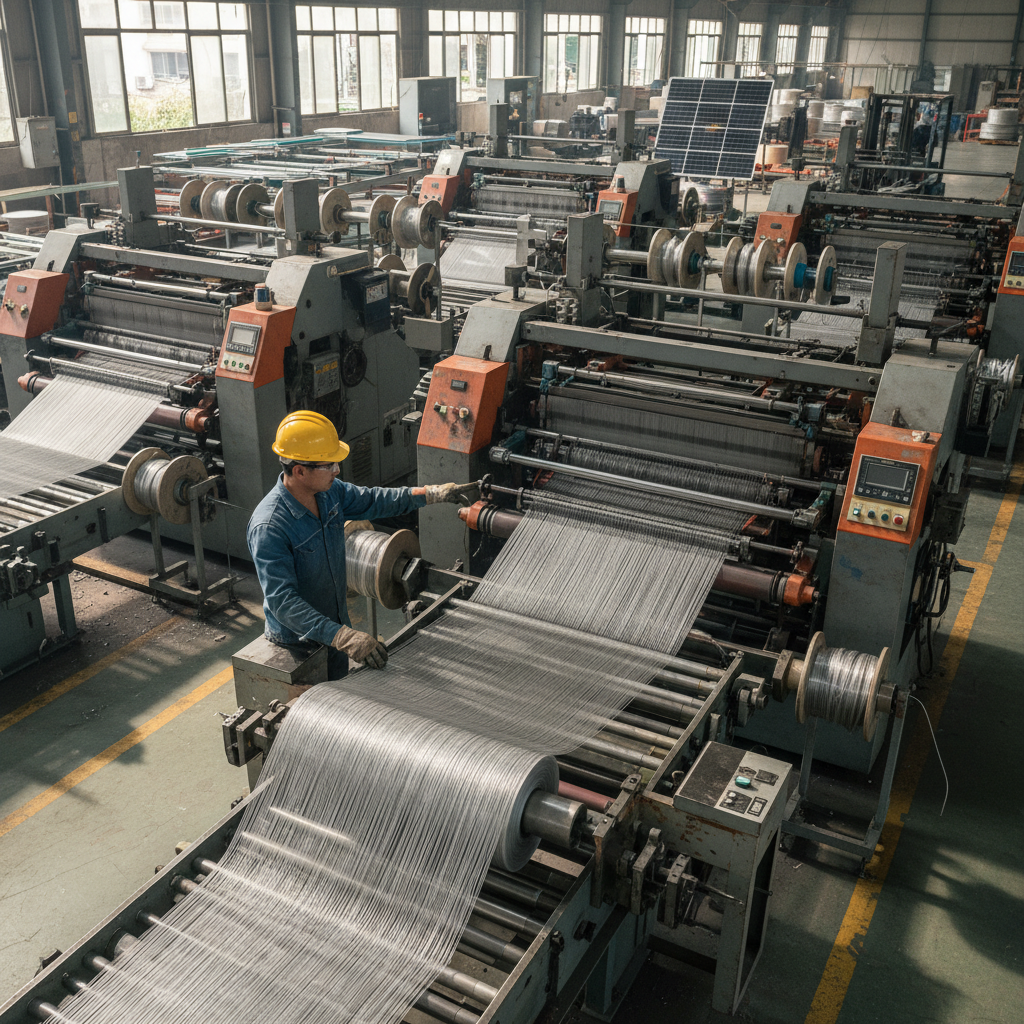
Despite its toughness, 316 stainless wire mesh can be cut, bent, and welded with standard industrial tools without losing integrity. This cost-effective manufacturability means vendors can provide tailor-made products quickly, a feature well-appreciated in fast-turnaround projects.
Cost Efficiency Over Time
While initially pricier than other metals, its longevity and reduced need for replacement or maintenance yield significant savings. In real terms: less downtime, fewer replacements, and consistent performance—especially when dealing with corrosives.
Environmental Sustainability
Recyclable and resistant to environmental degradation, 316 stainless wire mesh contributes to sustainable production and infrastructure goals. Its durability reduces material waste and carbon footprints associated with repeated manufacture and replacement.
Where in the World Is 316 Stainless Wire Mesh in Action?
The global footprint of 316 stainless wire mesh spans several vital industries:
- Water and Waste Treatment: Coastal desalination plants in the Middle East use it to filter seawater where salt corrosion is relentless.
- Chemical and Petrochemical Plants: In industrial hubs like Rotterdam and Singapore, it protects filtration systems from aggressive solvents.
- Humanitarian and Disaster Relief: In regions prone to flooding or infrastructure collapse, NGOs employ mesh filters in water purification systems—think post-hurricane Puerto Rico or flood-ravaged Bangladesh.
- Food and Beverage Sector: Because 316 stainless is FDA approved for direct food contact, it’s often employed in breweries and dairy processing throughout Europe and North America.
Its worldwide applications mean that wherever corrosive environments meet high demand for safety and reliability, 316 stainless wire mesh quietly plays its part.
Quick Takeaway:
316 stainless wire mesh is an unassuming yet powerful material that supports infrastructure and human welfare worldwide by delivering unmatched durability and adaptability.
Product Specification: A Closer Look
| Specification | Details |
|---|---|
| Material Grade | Stainless Steel 316 / 316L |
| Wire Diameter | 0.08mm to 5mm |
| Mesh Opening Size | 10 to 400 mesh |
| Standard Roll Width | 1.0m to 2.0m |
| Finish | Mill finish, polished, electro-polished |
| Tensile Strength | 520 MPa (typical) |
| Corrosion Resistance | Excellent in chloride and marine environments |
| Applications | Filtration, screening, reinforcement, protection |
Comparing Top Vendors of 316 Stainless Wire Mesh
| Vendor | Product Range | Customization Options | Lead Time | Price Tier |
|---|---|---|---|---|
| QHFilter | Full spectrum: 10 to 400 mesh | Custom wire diameter and weave patterns | 2–4 weeks | Mid-range competitive |
| StainlessPro Inc. | Focused on heavy-duty and architectural mesh | Limited custom patterns | 3–6 weeks | Premium |
| Global Wire Mesh Ltd. | Broad industrial and filtration mesh | Standard sizes mostly | 1–3 weeks | Budget-friendly |
Advantages and the Long-Term Value of Choosing 316 Stainless Wire Mesh
Look, it’s not just steel. It’s 316 stainless—meaning you’re betting on years without worrying about rust, pitting, or sudden failures that could cost a project dearly. When budgets are tight and stakes are high, reliability matters emotionally and practically.
It also ticks boxes on sustainability, reducing waste and the energy footprint associated with repeat replacements. So for companies and NGOs committed to “do no harm” or “build for the future,” 316 stainless wire mesh often checks both the ethical and economic boxes.
Looking Forward: Innovations Shaping the Future of Stainless Wire Mesh
New coatings and surface treatments—like electro-polishing improvements—are making these meshes even tougher against environmental stress. Digital cataloging and AI-assisted fabrication mean customers can get tailor-made mesh with precision unheard of a decade ago.
Moreover, with increasing pressure from green policies worldwide, suppliers are adopting more recycled content and cleaner manufacturing methods, making 316 stainless wire mesh a material that’s not only reliable but increasingly eco-friendly.
Challenges & Clever Solutions in the Field
Despite its advantages, 316 stainless wire mesh isn’t perfect—it can be costly upfront and less flexible than some polymers for certain applications. Sourcing from reputable suppliers or combining it with complementary materials (like protective coatings or composites) often mitigates these drawbacks.
Industry forums and innovation hubs continue sharing best practices on installation, maintenance, and lifecycle tracking, turning theoretical limitations into manageable realities.
FAQs About 316 Stainless Wire Mesh
1. How does 316 stainless wire mesh compare to 304 in corrosion resistance?
316 stainless generally outperforms 304 in chloride-rich environments thanks to its molybdenum content, which minimizes pitting and crevice corrosion. This makes 316 a preferred choice for marine and chemical industries.
2. Can 316 stainless wire mesh be used for food-grade filtration?
Yes, 316 stainless steel meets food safety standards and is widely used in breweries, dairies, and pharmaceutical filtration systems, thanks to its hygiene and corrosion-resistant properties.
3. What is the typical lifespan of 316 stainless wire mesh in outdoor applications?
In harsh outdoor environments, 316 stainless wire mesh can last 20+ years with minimal maintenance, often outlasting cheaper alternatives by a decade or more.
4. Is it possible to customize mesh sizes and wire diameters?
Absolutely. Most reputable vendors offer tailored mesh sizes and wire gauges to meet specific performance needs, from ultra-fine filtration to heavy structural reinforcement.
5. How can international buyers ensure quality when importing 316 stainless wire mesh?
Look for vendors with ISO certification, request material certificates, and consider third-party testing to verify alloy content and mechanical properties. Partnering with experienced suppliers who understand export logistics helps, too.
In Conclusion
316 stainless wire mesh is more than just a metal grid. It represents a fusion of durability, flexibility, and sustainability—qualities essential for the infrastructure and humanitarian solutions shaping our world. With benefits ranging from corrosion resistance to long-term cost savings and countless applications that cross industries and continents, it truly deserves wider recognition.
If you're curious and want to explore high-quality options, visit our website: 316 stainless wire mesh.
References & Further Reading
- Wikipedia - Stainless Steel
- International Organization for Standardization
- United Nations Sustainable Development Goals
So, next time you see something as apparently simple as a woven wire mesh, remember: it can quietly hold up entire industries, both literally and figuratively. The details — down to alloy choice — really do matter.