Solar Panel Garden Fence: A Sustainable Security Solution
The Rising Demand for Solar Panel Garden Fence
You know, when I first started looking into this space – really digging into the needs of businesses protecting valuable assets – I was surprised by how much interest there was in combining security with sustainability. It's not just about keeping things in or out anymore; it's about doing it responsibly. And that’s where the Solar Panel Garden Fence comes in. It’s a shift, frankly, from purely reactive security to proactive, energy-conscious protection. We’re seeing a lot of interest from commercial properties, agricultural businesses, and even data centers wanting to reduce their carbon footprint. It’s… a bit of a perfect storm, actually.
Table of Contents
- Solar Panel Garden Fence: A Deep Dive
- Applications & Key Benefits
- Cost Analysis & Long-Term Value
- The Sustainability Imperative
Solar Panel Garden Fence: A Deep Dive
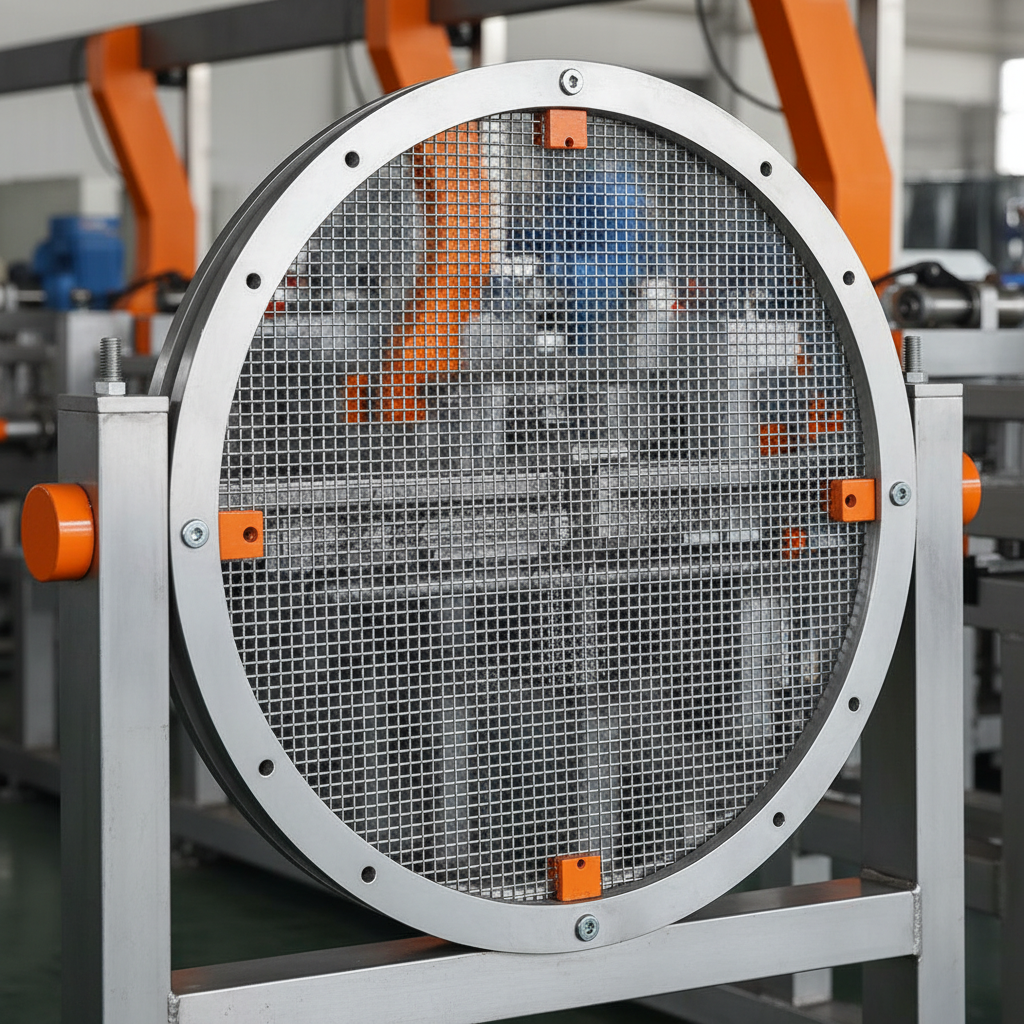
At its core, this isn’t just a fence with solar panels tacked on. It’s an integrated system. The panels, high-efficiency monocrystalline, are built directly into the fence structure. We’re talking about galvanized steel posts – incredibly durable, you know, built to withstand serious weather – with a woven wire mesh, often with anti-climb additions. The solar power generated isn’t primarily for lighting, although it can be used for that. It’s mainly about powering sensors: motion detectors, vibration sensors, even low-voltage cameras. Qhfilter focuses on using components that can withstand harsh outdoor conditions, and we have rigorous testing protocols in place. Here’s a quick breakdown of the specs:
| Specification | Value | Notes |
|---|---|---|
| Panel Efficiency | 20-22% | Monocrystalline Silicon |
| Post Material | Galvanized Steel | Rust-Resistant Coating |
| Operating Voltage | 12V/24V | Dependent on Sensor Requirements |
| Fence Height | Customizable | Up to 3 meters |
Applications & Key Benefits
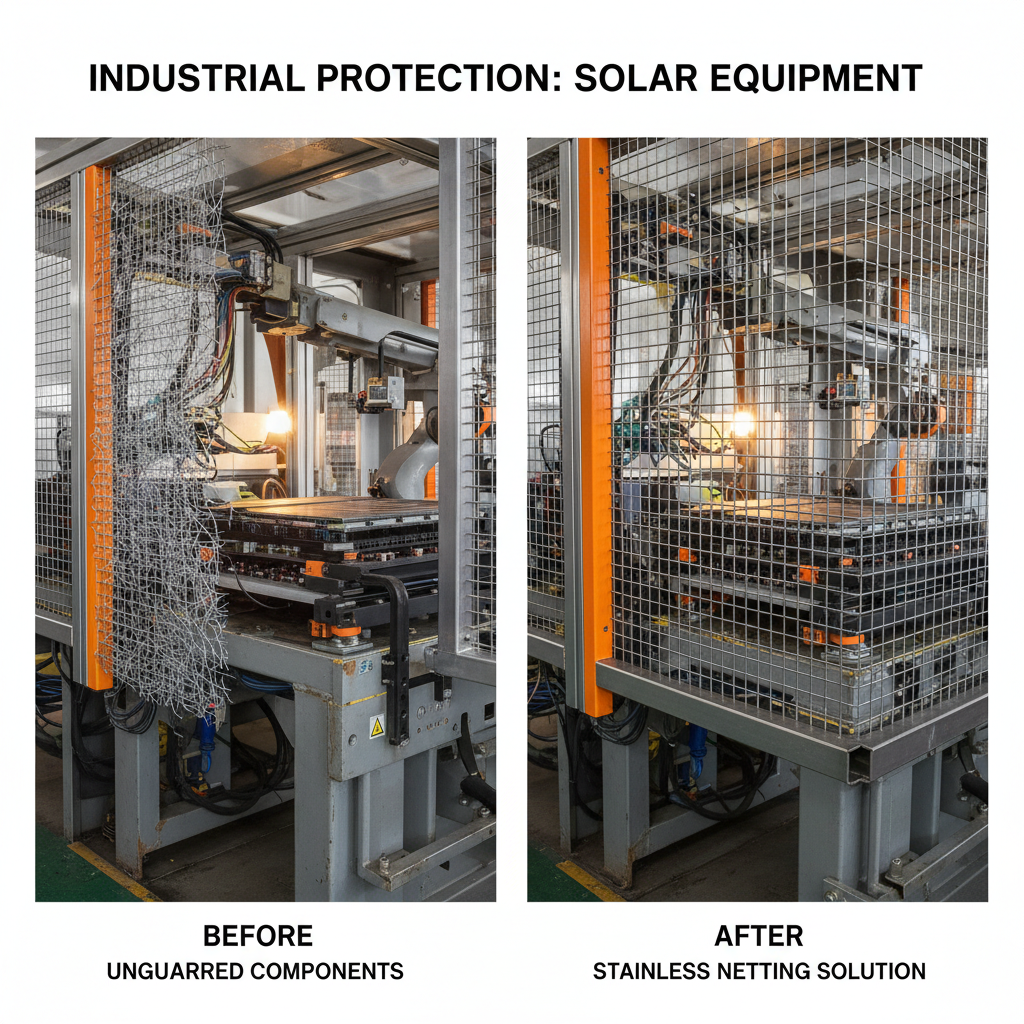
We’ve seen this used a lot in agricultural settings, protecting orchards and vineyards from theft. It’s perfect for perimeter security at industrial parks, and surprisingly, there’s growing demand from data centers needing to secure their cooling equipment and prevent unauthorized access. The key benefit, beyond the obvious security aspect, is the reduced operational cost. No need to run power lines to remote sections of a property. And, frankly, it just looks… cleaner. More professional. It's a definite upgrade over chain link and barbed wire. Here’s how Qhfilter stacks up against the competition:
| Feature | Qhfilter | Competitor A | Competitor B |
|---|---|---|---|
| Panel Efficiency | 21% | 18% | 19% |
| Galvanizing Thickness | 80μm | 60μm | 70μm |
| Warranty | 5 Years | 2 Years | 3 Years |
| Customization Options | Extensive | Limited | Moderate |
Cost Analysis & Long-Term Value
The initial investment is, admittedly, higher than a traditional fence. But you have to factor in the cost of running power, ongoing electricity bills, and the potential for vandalism – which is reduced with a self-powered system. Many engineers I’ve spoken to say the ROI typically comes within 3-5 years, especially on larger properties. I suppose it depends heavily on the local energy costs and the level of security needed. We recently worked with a vineyard in Napa Valley. They were concerned about copper theft from their irrigation systems, and the Solar Panel Garden Fence, combined with vibration sensors, was a game-changer. They reported a significant drop in incidents within the first month. It's about peace of mind, really.
The Sustainability Imperative
Businesses are under increasing pressure to demonstrate environmental responsibility. And, oddly enough, security isn't always seen as 'green'. This product changes that perception. Using renewable energy to power security systems aligns with broader sustainability goals and can enhance a company’s brand image. The regulations surrounding carbon emissions and energy efficiency are only going to become stricter, so proactively adopting sustainable solutions now makes good business sense. It's not just about ticking a box; it’s about building a resilient and responsible business.
Frequently Asked Questions about Solar Panel Garden Fence
- What is Solar Panel Garden Fence and how does it work?
- Solar Panel Garden Fence integrates solar panels directly into a fence structure, powering security sensors like motion detectors and cameras, eliminating the need for external power sources.
- What are the main benefits of using Solar Panel Garden Fence in industrial applications?
- Key advantages include reduced operational costs, enhanced security, environmental sustainability, and improved aesthetics compared to traditional fencing solutions.
- How does Solar Panel Garden Fence compare to traditional alternatives?
- It offers a self-powered, sustainable security solution, reducing reliance on grid electricity and lowering long-term costs. Traditional fences often require significant infrastructure for power.
- What industries can benefit most from Solar Panel Garden Fence implementation?
- Industries like agriculture, industrial parks, data centers, and utilities particularly benefit due to remote locations and the need for reliable, independent security systems.
Conclusion on Solar Panel Garden Fence from china
Ultimately, the Solar Panel Garden Fence represents a smart investment for businesses prioritizing security and sustainability. It's not just about building a barrier; it’s about building a better future. Visit our website: https://www.qhfilter.com.
- Consider the long-term benefits beyond initial cost.