Industrial Stainless Screen Wire Selection and Application Guide
The Ultimate Guide to Stainless Screen Wire: Applications and Selection
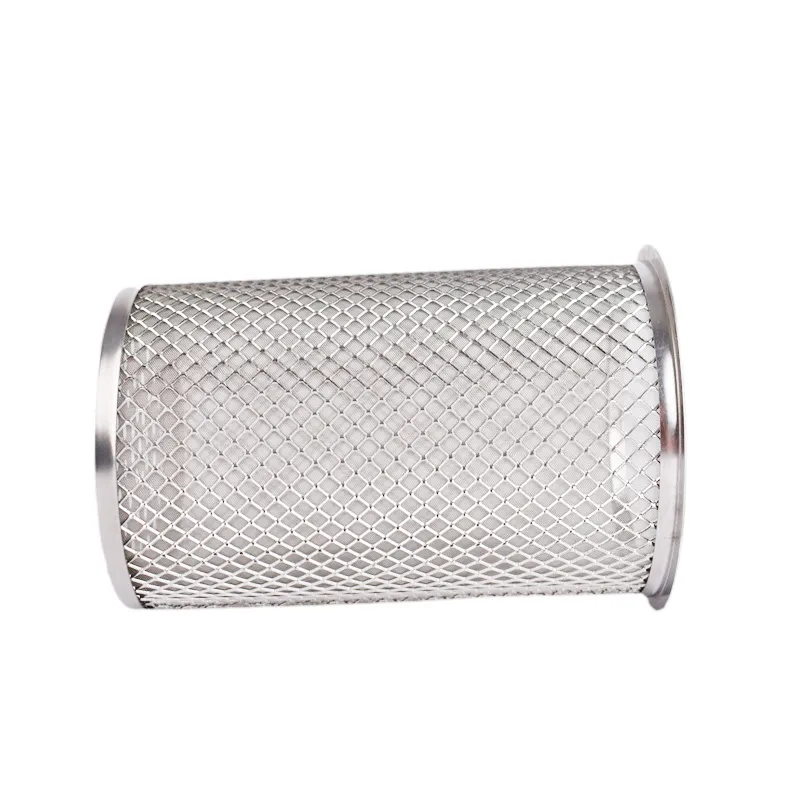
In the world of industrial filtration and architectural design, the choice of material can make or break the efficiency of a system. stainless screen wire stands as the gold standard for those requiring a perfect balance of durability, corrosion resistance, and precision. Whether it is used for fine chemical filtering or robust security fencing, the structural integrity of stainless steel ensures a long operational lifespan even in the harshest environments. In this guide, we will explore the technical nuances of these meshes, helping you identify the right specifications for your unique project needs.
Understanding the Material Grades of Stainless Screen Wire
Not all stainless steels are created equal. When selecting stainless screen wire, the grade of the alloy determines its resistance to oxidation and chemicals. Grade 304 is the most common, offering excellent versatility and cost-effectiveness for general industrial use. However, for marine environments or high-salinity areas, Grade 316 is preferred due to the addition of molybdenum, which significantly boosts protection against chlorides. Choosing the wrong grade can lead to premature pitting and failure, which is why understanding the chemistry of your operating environment is the first step toward a successful installation.
Expert Tip: Always prioritize Grade 316 for pharmaceutical or food-grade applications where rigorous cleaning with caustic agents is required daily.
Key Weave Types and Their Functional Impact
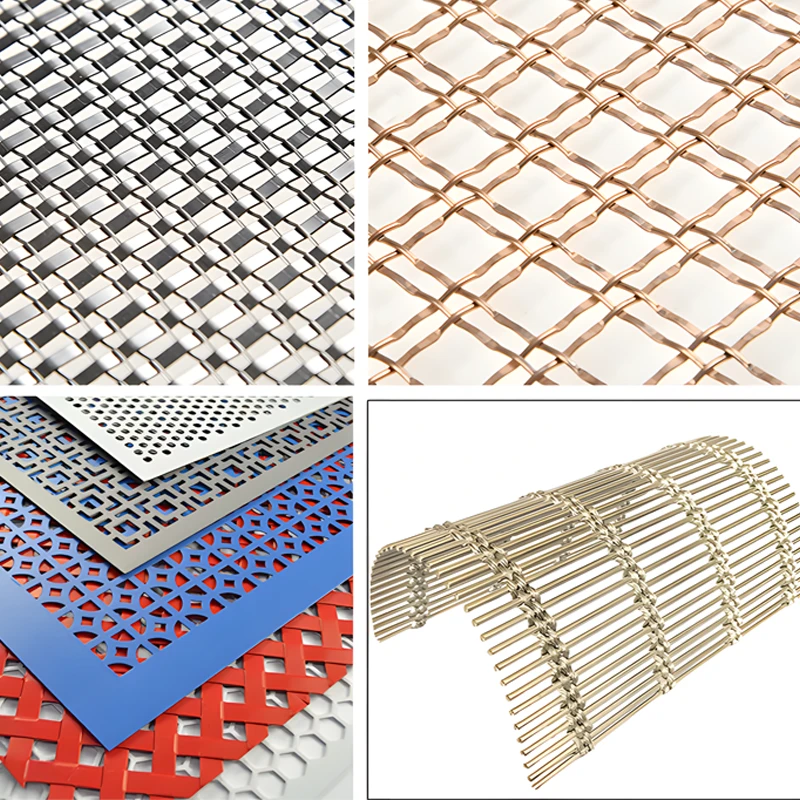
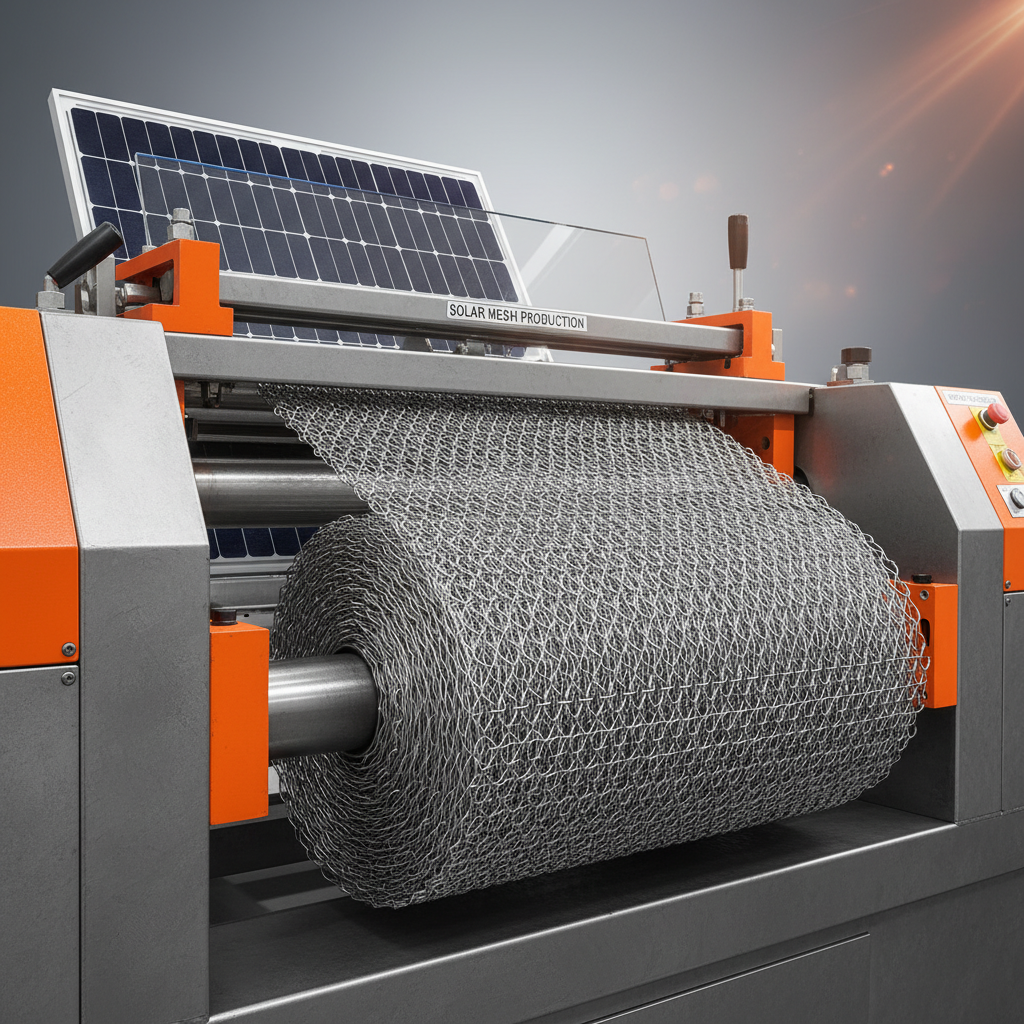
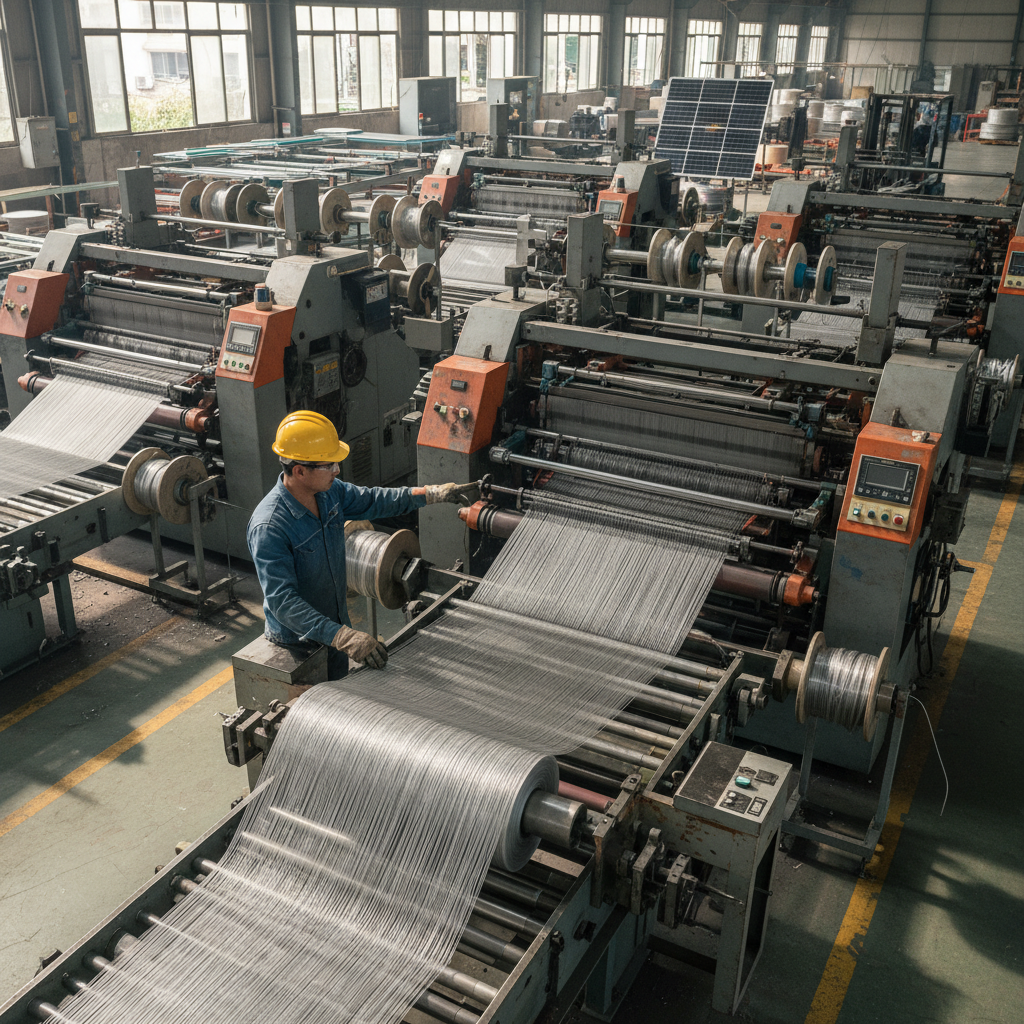
The way the stainless screen wire is woven dictates its openness and strength. Plain weave is the simplest, creating a stable, square aperture ideal for basic screening. For those needing higher filtration precision and more open area, the Twilled weave is an excellent choice, as it allows for finer wires to be used while maintaining structural rigidity. Additionally, Dutch weave is specifically engineered for high-pressure liquid filtration, providing a dense barrier that captures minute particles without clogging rapidly. The choice of weave directly impacts the flow rate and the "cut-off" point of your filtration process.
Comparing Performance: Stainless Screen Wire vs. Alternatives
When compared to galvanized steel or polymer meshes, stainless screen wire offers a vastly superior lifecycle. While polymer screens may be cheaper upfront, they degrade under UV exposure and lack the thermal stability required for high-temperature industrial processes. Galvanized options eventually rust once the zinc coating is breached. Stainless steel, however, maintains its integrity and aesthetic appeal over decades. The following table illustrates the critical differences in performance metrics across different materials.
Industrial Applications of Stainless Screen Wire
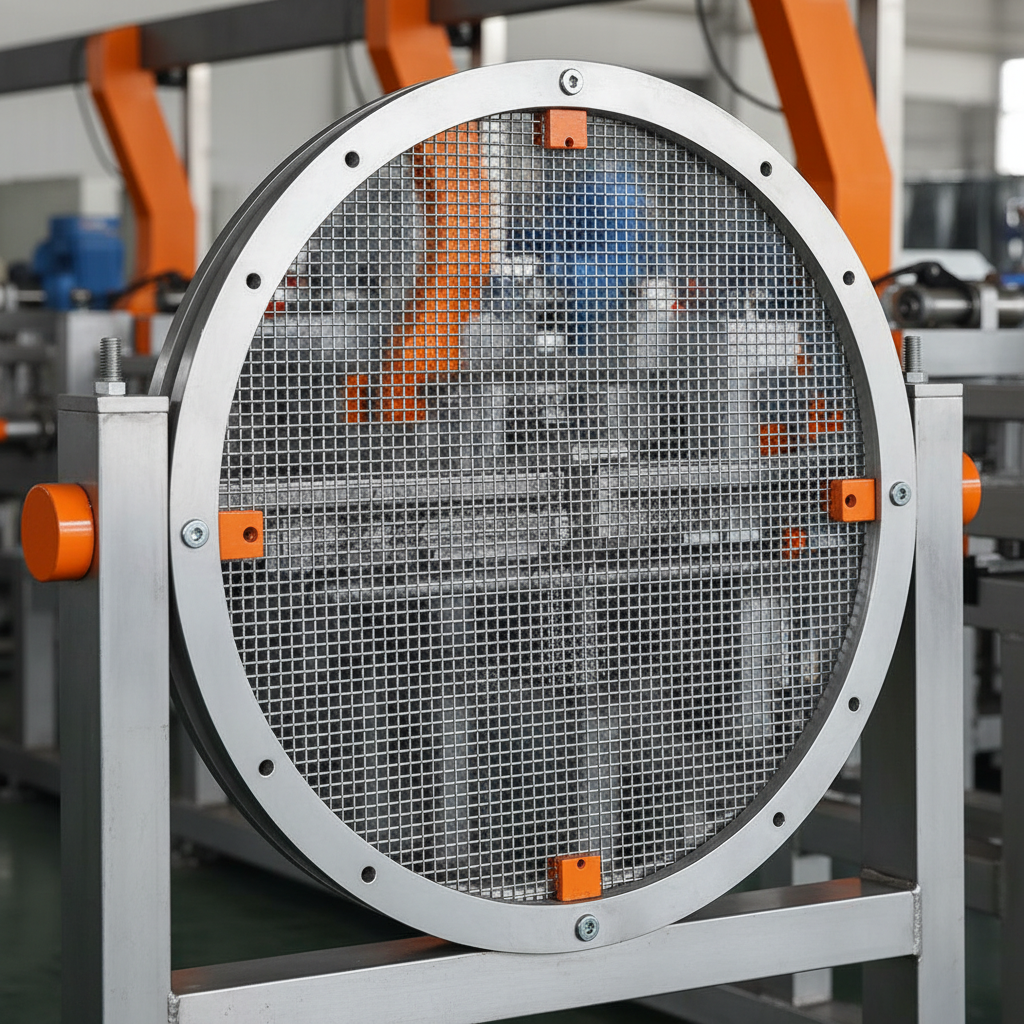
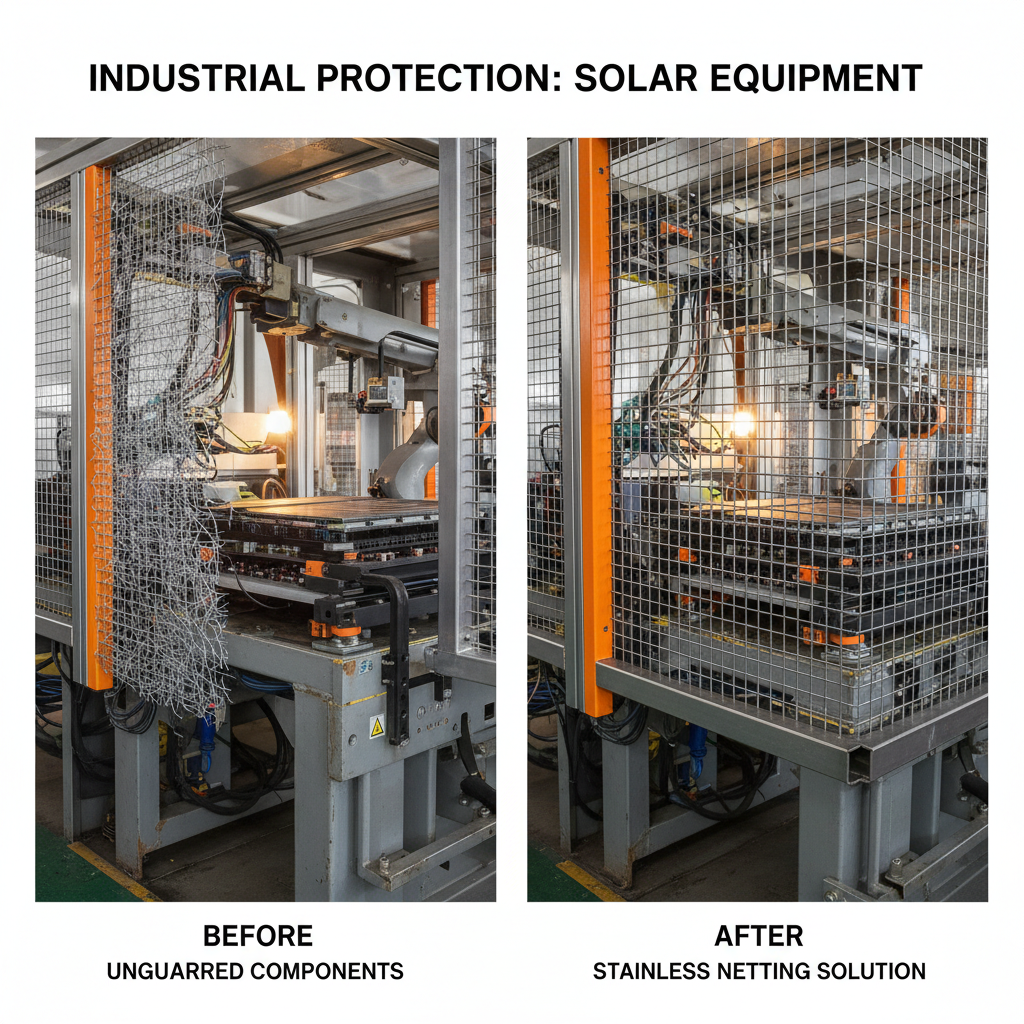
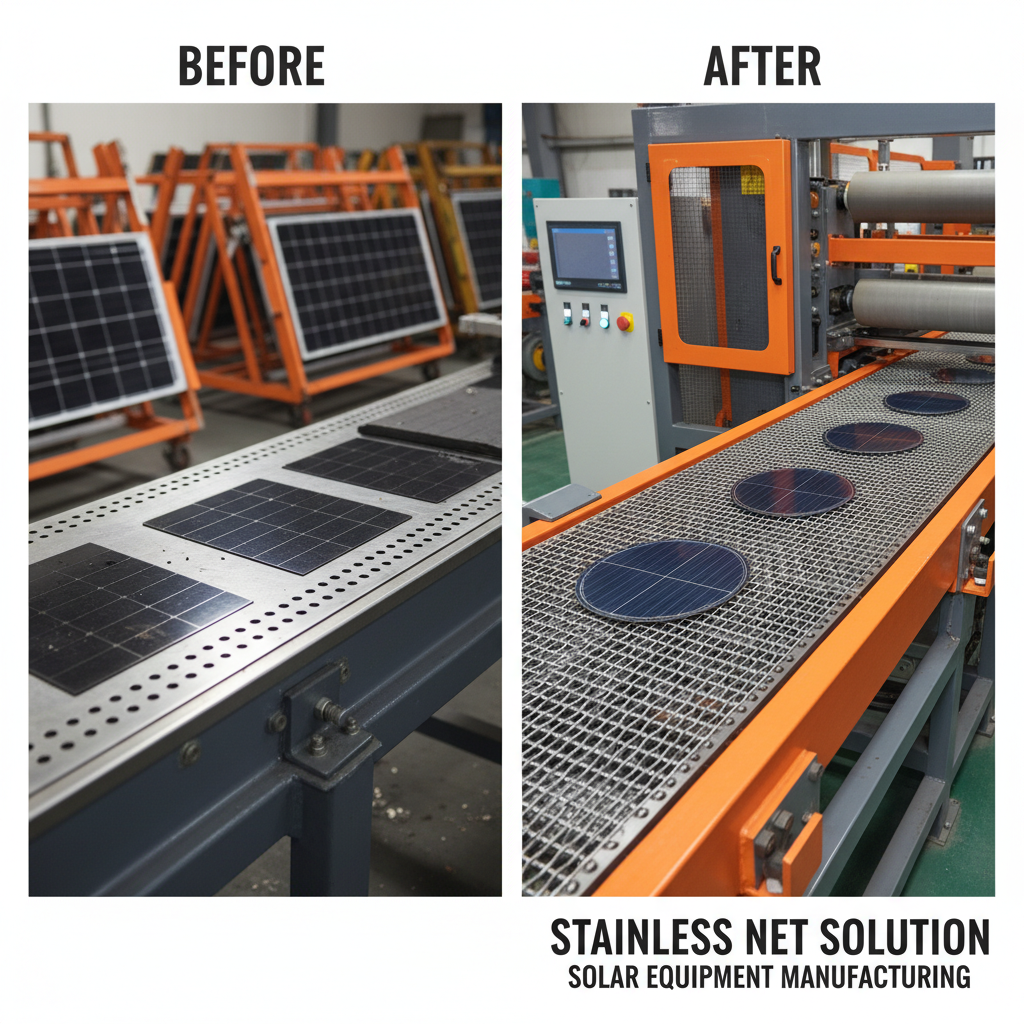
The versatility of stainless screen wire allows it to be integrated into a vast array of sectors. In the Chemical Industry, it serves as a critical catalyst support and filtration medium. In Architecture, it is used for decorative facades, solar shading, and high-security partitions. The Food and Beverage sector relies on its non-reactive surface to maintain hygiene standards. Additionally, in Water Treatment, stainless screens are essential for removing debris from intake systems. Because it can be customized in terms of mesh count and wire diameter, it adapts to everything from micron-level filtration to heavy-duty debris blocking.
Technical Specifications for Precision Ordering
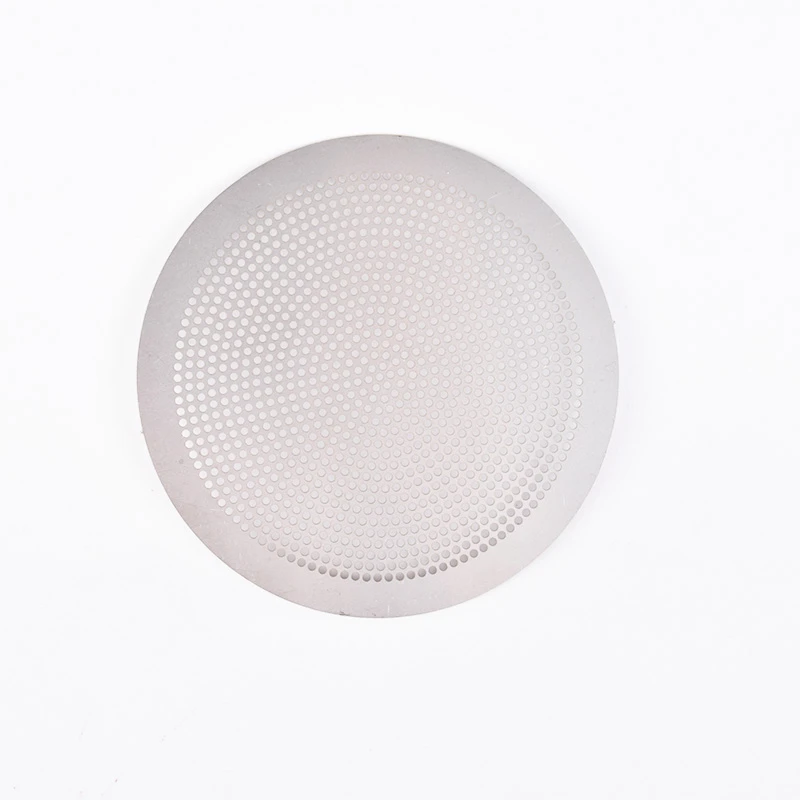
When ordering stainless screen wire, precision is key. Specifications typically revolve around Mesh Count (the number of openings per linear inch) and Wire Diameter. A higher mesh count results in smaller openings, increasing filtration efficiency but potentially reducing flow rates. It is vital to calculate the "Open Area Percentage" to ensure your system does not experience excessive pressure drops. Below is a standard specification table for common industrial mesh configurations.
Conclusion: Ensuring Quality with Premium Stainless Wire
Selecting the right stainless screen wire is an investment in the reliability and safety of your operations. By carefully considering the alloy grade, weave pattern, and precise mesh specifications, you can significantly reduce maintenance costs and prevent system downtime. Whether you are dealing with aggressive chemicals or designing a modern architectural piece, the durability of stainless steel provides an unmatched peace of mind. For high-performance filtration solutions, trust in the precision of professional-grade stainless steel mesh.
Frequently Asked Questions (FAQs)
What is the difference between 304 and 316 stainless screen wire?
The primary difference lies in their chemical composition and corrosion resistance. Grade 304 is the standard "18/8" stainless steel, offering great resistance to most atmospheric conditions. Grade 316, however, contains 2-3% molybdenum, which provides superior protection against pitting and crevice corrosion, particularly in environments exposed to chlorides (like seawater) or acidic industrial chemicals. If your project is located near a coast or involves pharmaceutical processing, Grade 316 is the recommended choice to avoid premature failure.
How do I calculate the correct mesh size for my filter?
Calculating the correct mesh size requires knowing the maximum particle size you wish to retain. The "Mesh Count" refers to the number of wires per linear inch. To find the aperture (opening) size, you subtract the wire diameter from the total space available per mesh opening. For example, in a 100-mesh screen with a 0.15mm wire, the opening is roughly 0.15mm. We recommend consulting with a technical specialist at QH Filter to ensure the "Open Area" is sufficient to prevent clogging and maintain the required flow rate.
Can stainless screen wire be customized for high-temperature use?
Yes, stainless steel is naturally suited for high-temperature environments. However, for extreme heat (such as furnace linings or aerospace applications), specialized alloys like Inconel or Hastelloy may be used. For most industrial heat-exchange or filtration tasks, 304 and 316 stainless screen wire perform excellently without losing their structural integrity or oxidation resistance. Customizations can include varying weave densities to optimize the balance between thermal conductivity and filtration capacity.
How should I clean and maintain my stainless steel mesh?
Maintenance depends on the application. For filtration screens, back-washing (reversing the flow of liquid) is the most effective way to remove trapped particles. For architectural or security screens, mild soap and water are usually sufficient. Avoid using steel wool or harsh abrasive scrubbers, as these can scratch the surface and potentially introduce carbon steel particles that cause "tea staining" or localized rust. Periodically inspecting the mesh for tears or deformations will ensure the system continues to operate at peak efficiency.