Comprehensive Guide to SS 316 Wire Mesh Properties and Diverse Applications
Understanding SS 316 Wire Mesh: Properties, Applications, and More
SS 316 wire mesh is a highly versatile material employed across a diverse range of industries. Renowned for its exceptional corrosion resistance, strength, and durability, this type of wire mesh offers superior performance in challenging environments. This article will delve into the key characteristics of SS 316 wire mesh, its numerous applications, and factors to consider when selecting the appropriate mesh for your specific needs. We’ll explore why it’s a preferred choice for demanding applications requiring longevity and reliability.
What is SS 316 Stainless Steel?
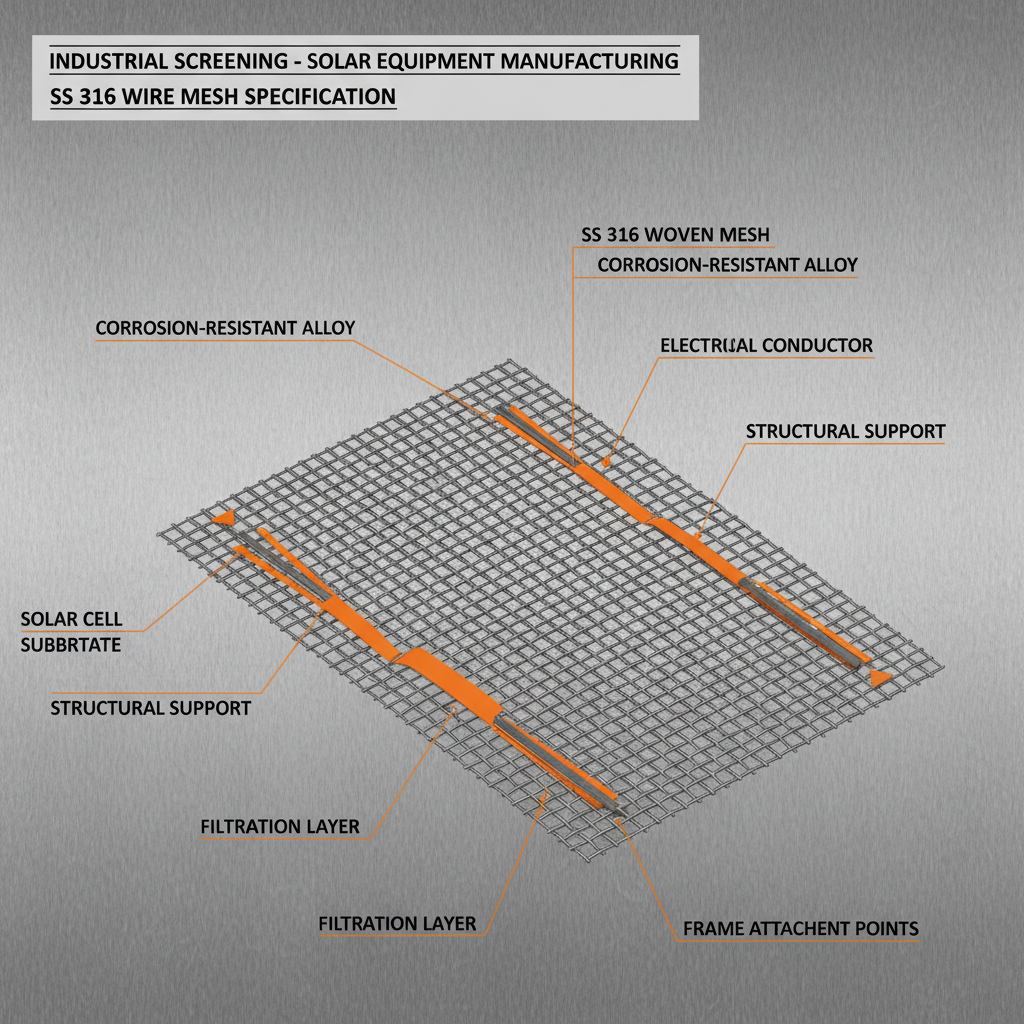
SS 316 stainless steel is an austenitic stainless steel alloy containing molybdenum. This addition significantly enhances its corrosion resistance, particularly against chlorides and other halides. This makes it exceptionally well-suited for marine environments, chemical processing, and pharmaceutical applications. Compared to other stainless steel grades, like 304, SS 316 exhibits superior resistance to pitting and crevice corrosion. The material’s chemical composition (approximately 16-18% chromium, 10-14% nickel, and 2-3% molybdenum) contributes to its high strength and weldability. Therefore, SS 316 wire mesh offers a robust solution where environmental factors are a concern.
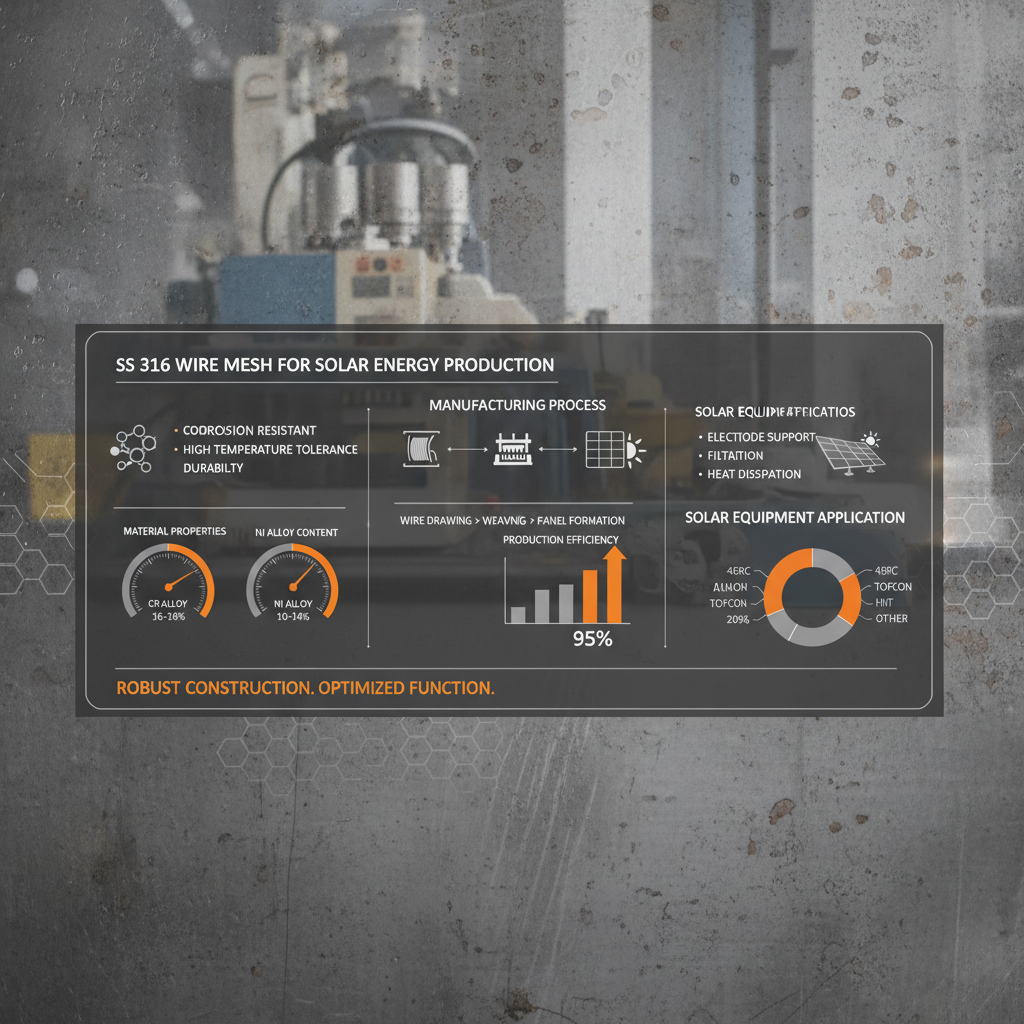
Key Properties: High corrosion resistance, excellent strength, good weldability, superior resistance to pitting and crevice corrosion, and suitable for high-temperature applications.
Applications of SS 316 Wire Mesh
The unique properties of SS 316 wire mesh make it indispensable in various industries. Some common applications include: filtration systems (liquid and air), screens for marine applications, chemical processing filters, food and beverage processing, pharmaceutical manufacturing, aerospace components, security fencing, and architectural features. Its ability to withstand harsh conditions ensures longevity and reliable performance, reducing maintenance costs and downtime. Furthermore, the mesh can be customized in terms of weave patterns, wire diameter, and aperture size to meet specific application requirements. The versatility of SS 316 wire mesh truly sets it apart.
Common Application Areas:
• Filtration (Liquid and Air)
• Marine Environments
• Chemical Processing
• Food & Beverage Industry
SS 316 Wire Mesh vs. SS 304 Wire Mesh: A Comparative Analysis
While both SS 316 and SS 304 are austenitic stainless steels, SS 316 offers enhanced corrosion resistance due to the addition of molybdenum. This difference is crucial in environments exposed to chlorides or other corrosive agents. SS 304 is a more cost-effective option for less demanding applications, but it is susceptible to pitting and crevice corrosion in chloride-rich environments. Therefore, choosing between the two depends heavily on the intended application and the potential for exposure to corrosive substances.
Key Considerations When Choosing SS 316 Wire Mesh
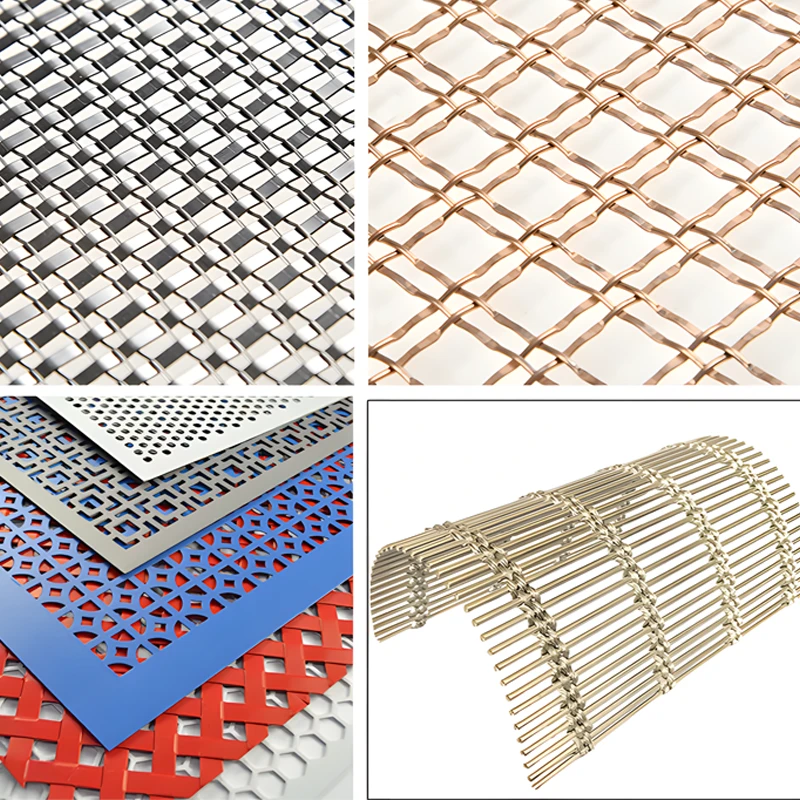
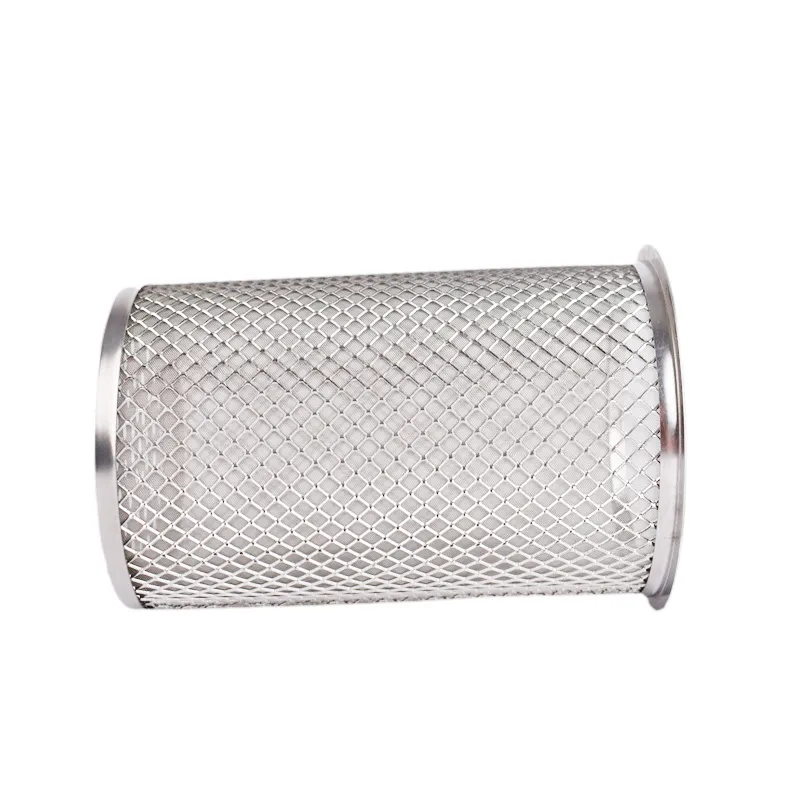
Selecting the right SS 316 wire mesh involves considering several factors, including the weave pattern (e.g., plain weave, twill weave, Dutch weave), wire diameter, aperture size, and finish. The weave pattern impacts the mesh's permeability and strength. Wire diameter affects the mesh's structural integrity, while aperture size determines the filtration capabilities. Finally, the finish (e.g., polished, matte) can influence its aesthetic appeal and corrosion resistance. Consulting with a supplier like QHFilter ensures you choose the optimal mesh for your specific application.
Conclusion: The Enduring Value of SS 316 Wire Mesh
SS 316 wire mesh remains a cornerstone material in countless industries due to its exceptional corrosion resistance, strength, and versatility. Its ability to perform reliably in harsh environments makes it a cost-effective long-term solution. By understanding its properties, applications, and selection criteria, you can maximize its benefits and ensure optimal performance for your specific needs. Contact QHFilter today to discuss your requirements and find the perfect SS 316 wire mesh solution.
Frequently Asked Questions (FAQs)
What is the typical lifespan of SS 316 wire mesh?
The lifespan of SS 316 wire mesh is remarkably long, often exceeding several decades, even in corrosive environments. However, the exact duration depends on the severity of the exposure and the specific application. Regular inspection is crucial to identify any signs of damage, such as pitting or corrosion. While SS 316 is highly resistant, prolonged exposure to extremely harsh chemicals or abrasion can eventually lead to deterioration. Proper maintenance, including occasional cleaning, can help extend its lifespan. Generally, it's a durable material designed for long-term performance.
Can SS 316 wire mesh be welded?
Yes, SS 316 wire mesh is readily weldable using various techniques, including spot welding, MIG welding, and TIG welding. However, proper welding procedures are essential to maintain the corrosion resistance of the material. Using the correct welding consumables and avoiding excessive heat input are critical. Post-weld cleaning and passivation treatments can further enhance its corrosion resistance. For critical applications, it’s recommended to consult with a welding specialist to ensure optimal results.
What are the different weave patterns available for SS 316 wire mesh?
Several weave patterns are commonly used for SS 316 wire mesh, each offering unique characteristics. These include plain weave (the simplest and most common), twill weave (providing a tighter mesh and higher strength), Dutch weave (offering high permeability for filtration), and reverse Dutch weave (excellent for filtration and supporting filter media). The choice of weave pattern depends on the specific application requirements, such as filtration efficiency, flow rate, and structural integrity. QHFilter offers a wide range of weave patterns to meet diverse needs.
Is SS 316 wire mesh suitable for food contact applications?
Yes, SS 316 stainless steel is generally considered safe for food contact applications, provided it meets relevant regulatory standards. It is non-toxic and does not leach harmful substances into food. However, it is essential to ensure the mesh is properly cleaned and maintained to prevent bacterial growth. The surface finish can also play a role; a smooth, polished finish is easier to sanitize. Always check with local regulations and industry standards to confirm compliance for your specific application.