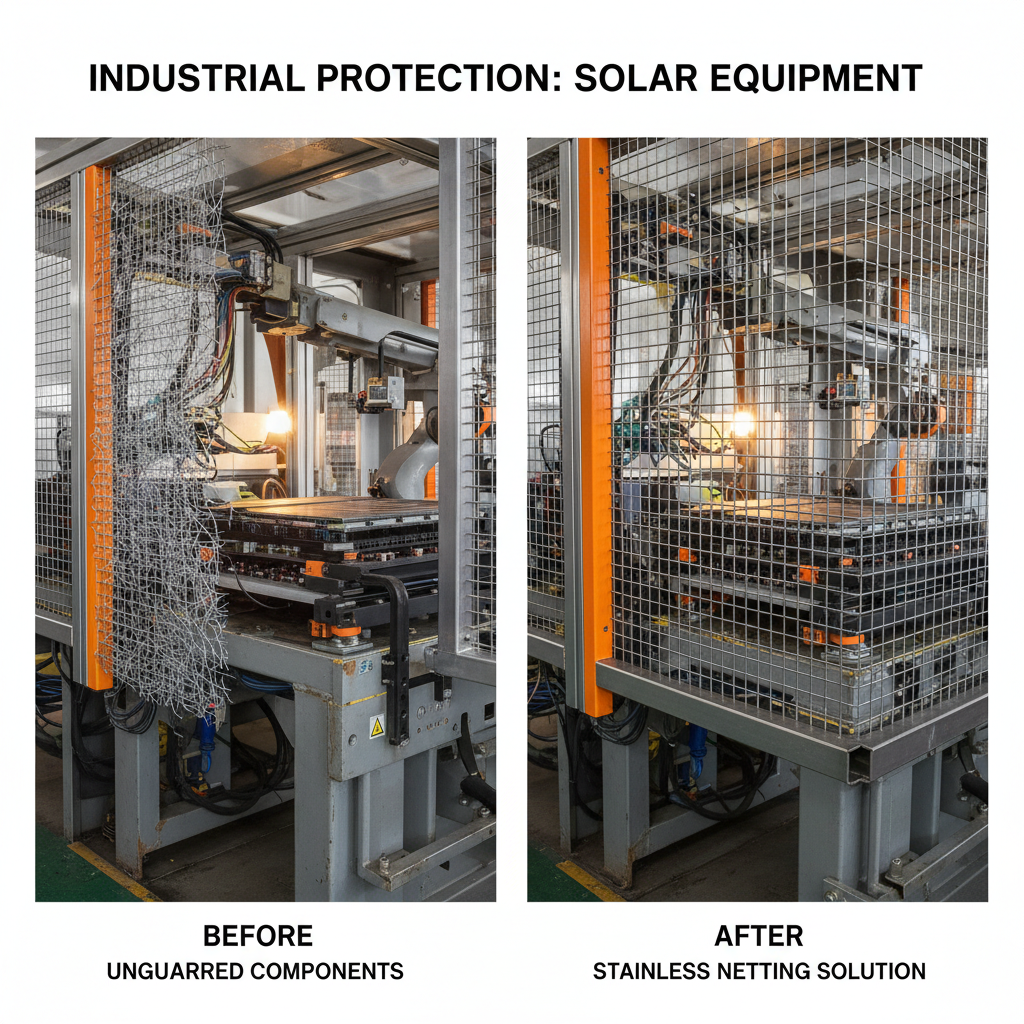
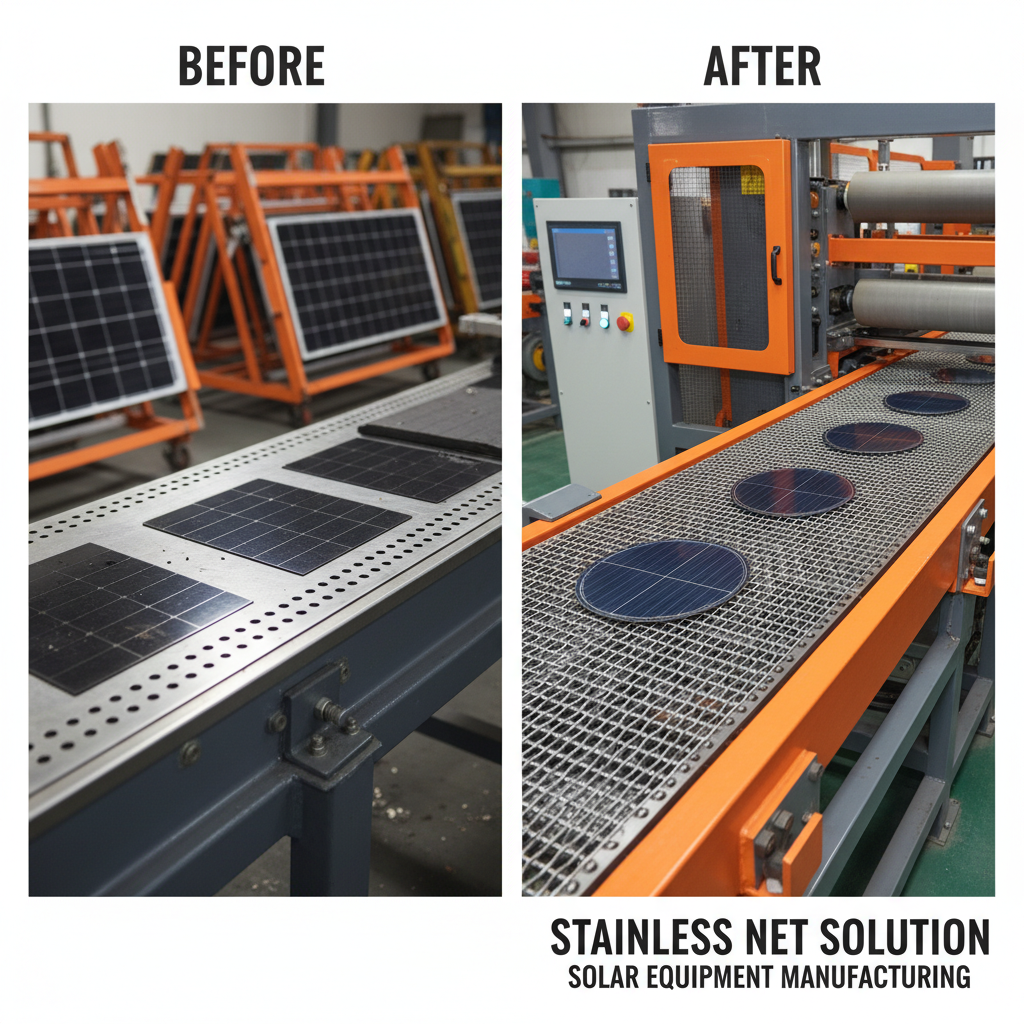
Harnessing Sunlight A Comprehensive Guide to Solar for Balcony Systems
Harnessing the Sun: A Guide to Solar for Balcony
Balconies, often overlooked spaces, can be transformed into personal power stations with the right solar setup. Increasingly, homeowners are turning to solar for balcony use to reduce energy bills and embrace sustainable living. This article will delve into the benefits, types, installation considerations, and potential drawbacks of utilizing solar power on your balcony, offering a comprehensive guide for those considering this eco-friendly option. Whether you live in an apartment or simply want to supplement your home's energy, balcony solar presents a viable and rewarding solution.
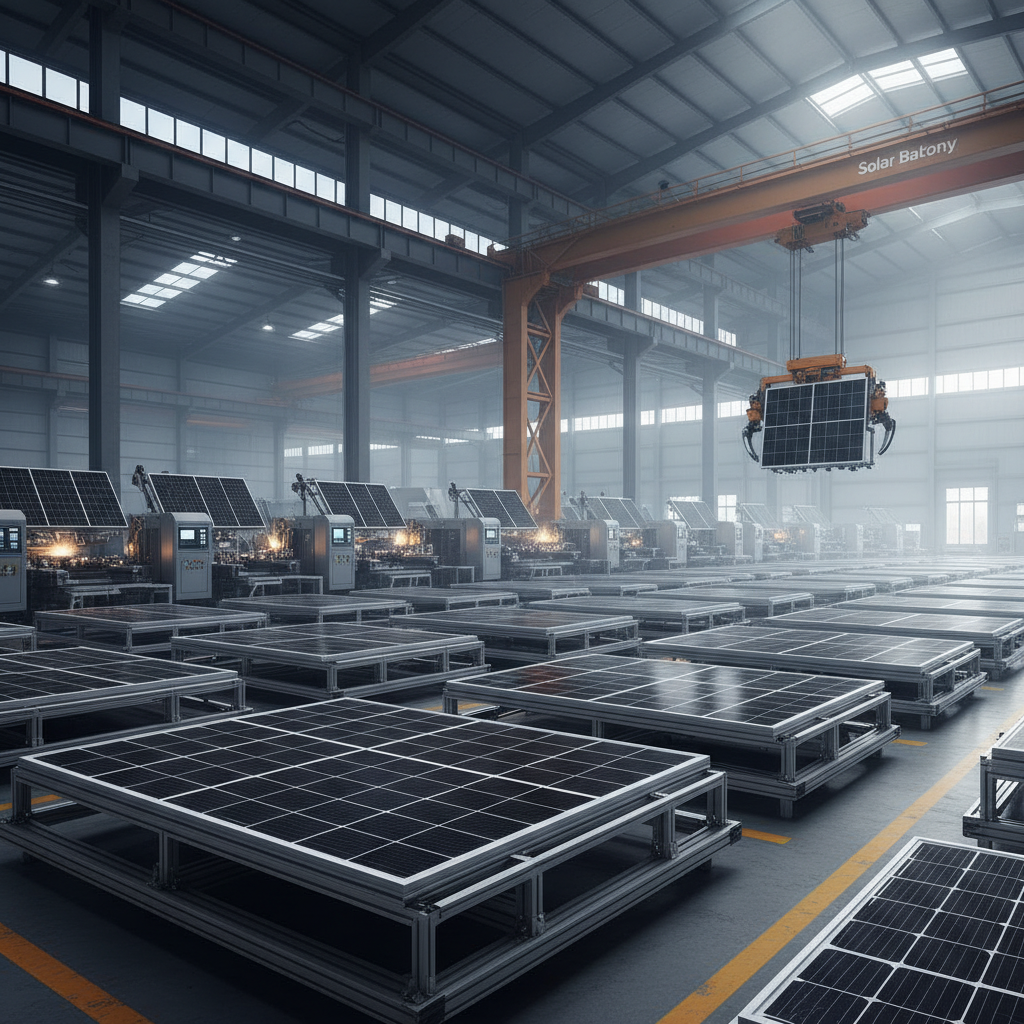
Why Choose Solar for Balcony?
The advantages of utilizing solar energy on your balcony are numerous. Firstly, it’s a step towards energy independence, reducing reliance on traditional power grids. Secondly, it significantly lowers electricity bills, especially in areas with high energy costs. Thirdly, it's an environmentally conscious choice, reducing your carbon footprint and promoting sustainable practices. Balcony solar systems are also relatively easy to install, often requiring minimal modifications to your existing balcony structure. They are also becoming increasingly affordable, with various options available to suit different budgets. Finally, they can increase the value of your property, appealing to environmentally conscious buyers.
Key Benefits: Reduced energy costs, environmental sustainability, increased energy independence, easy installation, potential property value increase.
Types of Solar Panels for Balconies
Several types of solar panels are suitable for balcony installations. Monocrystalline panels are known for their high efficiency and sleek black appearance, but they are generally the most expensive option. Polycrystalline panels are more affordable but less efficient and have a bluish hue. Thin-film panels are flexible and lightweight, making them ideal for balconies with weight restrictions, but their efficiency is lower than crystalline panels. Portable solar panels are a good option for renters or those who want a flexible solution, as they can be easily moved. The best choice depends on your balcony’s size, weight capacity, budget, and energy needs.
Solar Panel Comparison:
• Monocrystalline: Highest efficiency, most expensive
• Polycrystalline: Lower efficiency, more affordable
• Thin-Film: Flexible, lightweight, lowest efficiency
• Portable: Flexible, easy to move, varying efficiency
Installation and Safety Considerations for Solar for Balcony
Proper installation is crucial for maximizing the effectiveness and safety of your balcony solar system. First, assess your balcony's weight capacity to ensure it can support the panels and mounting hardware. Secondly, consider the amount of sunlight your balcony receives throughout the day – south-facing balconies generally receive the most sunlight. Third, ensure the mounting system is secure and can withstand strong winds. It's often best to consult with a professional installer to ensure proper setup and adherence to local building codes. Electrical connections must be made safely and in compliance with regulations. Always prioritize safety during installation and maintenance.
Maximizing Your Solar for Balcony Investment
To get the most out of your balcony solar setup, consider a system with a battery storage solution. This allows you to store excess energy generated during peak sunlight hours for use during the evening or on cloudy days. Monitor your energy consumption and adjust your usage patterns to maximize self-consumption. Regularly clean your solar panels to remove dust and debris, ensuring optimal performance. Finally, explore available government incentives and rebates to reduce the initial cost of your system.
Potential Drawbacks and Considerations
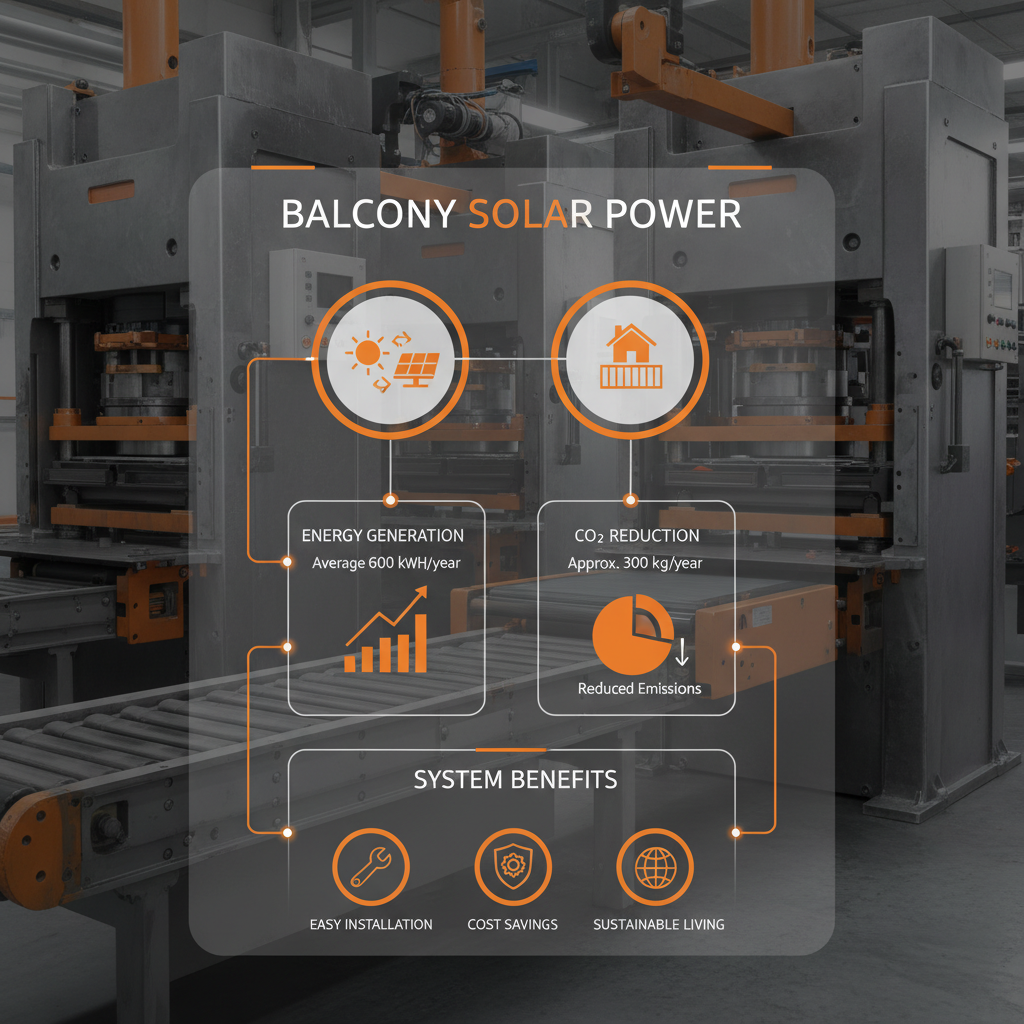
While balcony solar offers numerous benefits, there are a few potential drawbacks to consider. The amount of energy generated is limited by the size of your balcony and the available sunlight. Some homeowners associations or landlords may have restrictions on installing solar panels. The initial cost of the system can be a barrier for some. It's crucial to weigh the pros and cons carefully and determine if balcony solar is the right solution for your needs. QHFilter provides expert advice and high-quality components to help you navigate these challenges.
Conclusion: Embracing Sustainable Energy with Balcony Solar
Balcony solar is a practical and accessible way to embrace sustainable energy and reduce your environmental impact. By carefully considering your needs, choosing the right components, and ensuring proper installation, you can harness the power of the sun and enjoy the benefits of clean, renewable energy.
Frequently Asked Questions (FAQs)
How much energy can I realistically expect from a balcony solar system?
The amount of energy generated depends on several factors, including the size of your solar panels, the amount of sunlight your balcony receives, and the efficiency of your system. A typical balcony system, consisting of 2-3 panels, can generate between 300-600 watts of power. This can significantly reduce your electricity bill, particularly for powering small appliances and electronics. It is important to consider your energy consumption patterns and choose a system that meets your needs.
Is a permit required for installing solar panels on my balcony?
Permitting requirements vary depending on your location and local regulations. In some areas, a permit may be required, while in others, it may not. It's essential to check with your local building department or homeowners association before installing any solar panels. Failure to comply with local regulations can result in fines or the removal of your system.
What is the typical cost of a balcony solar system?
The cost of a balcony solar system can range from $500 to $2000 or more, depending on the size, type of panels, and installation costs. Portable systems are generally the most affordable, while larger systems with battery storage will be more expensive. However, government incentives and rebates can help offset the initial cost. QHFilter offers competitive pricing and financing options to make solar energy accessible to everyone.
Can I connect my balcony solar system to the grid?
In some locations, you may be able to connect your balcony solar system to the grid through a process called net metering. This allows you to sell excess energy back to the utility company, earning credits on your electricity bill. However, net metering policies vary by location, so it's important to check with your local utility company to determine if it's available in your area.