Comprehensive Guide to Advanced Solar Security Fencing Systems for Property Protection
Solar Security Fencing Systems: A Comprehensive Guide
Protecting your property with robust security measures is paramount, and solar security fencing systems are emerging as a powerful, sustainable solution. These systems combine the deterrent of physical fencing with the advanced technology of solar-powered surveillance, offering a comprehensive security perimeter. This article will explore the benefits, components, installation considerations, and future trends of solar security fencing, providing you with the knowledge to make an informed decision for your property's protection. Investing in a secure perimeter is a crucial step towards peace of mind and safeguarding your assets.
Understanding the Core Components of Solar Security Fencing
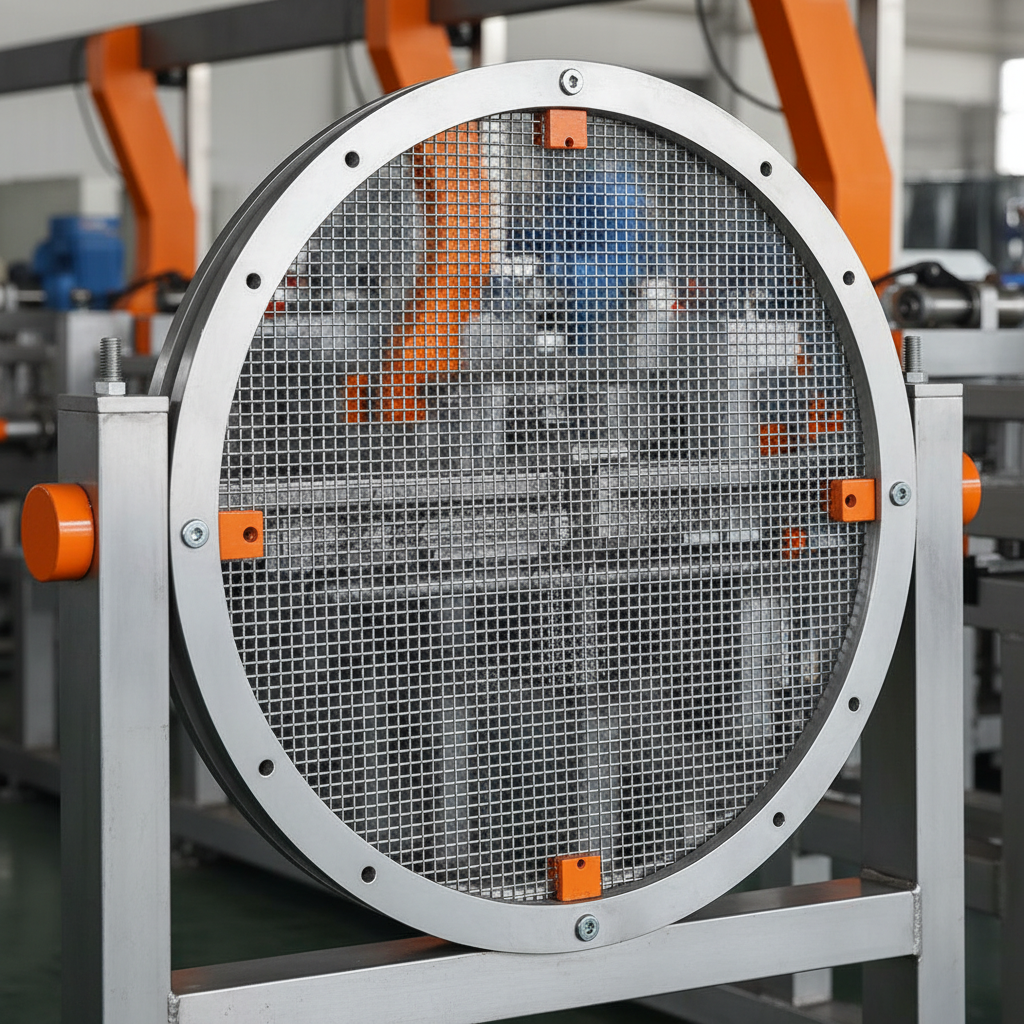
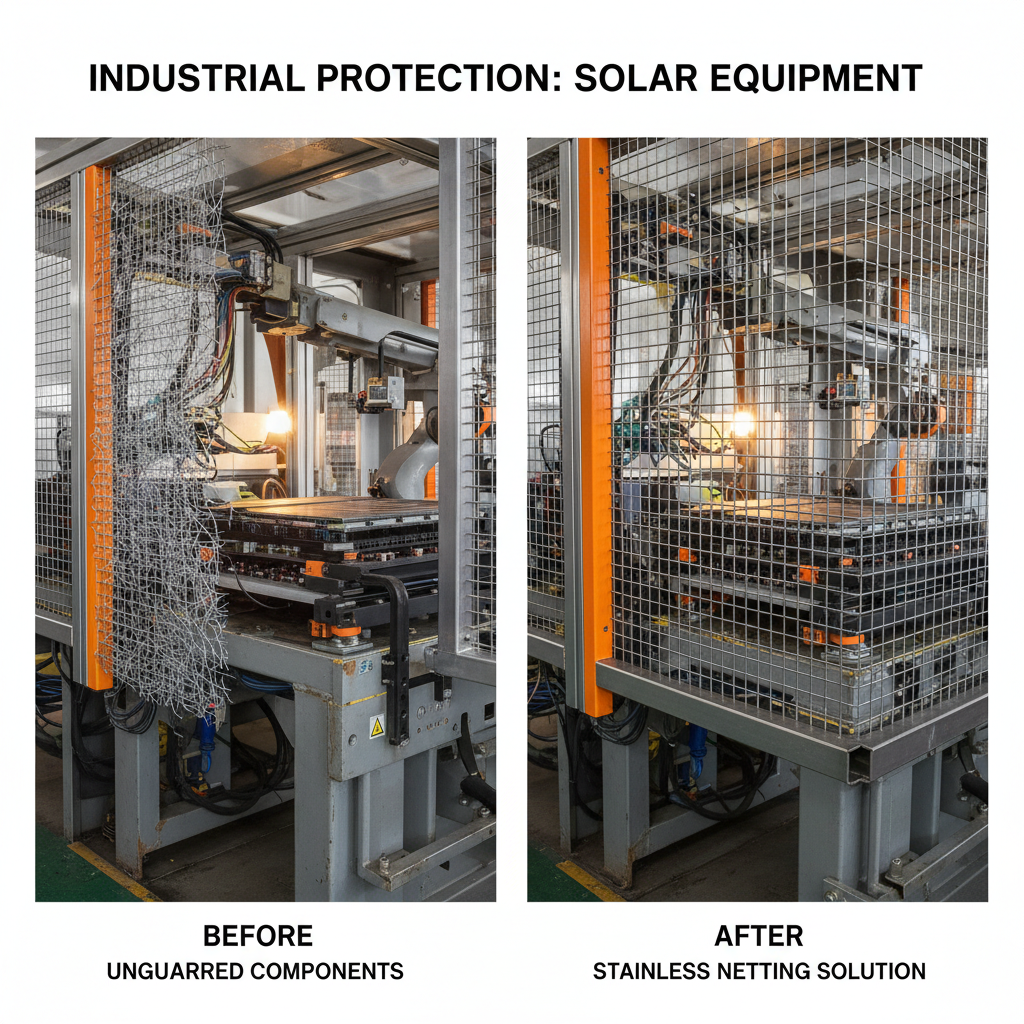
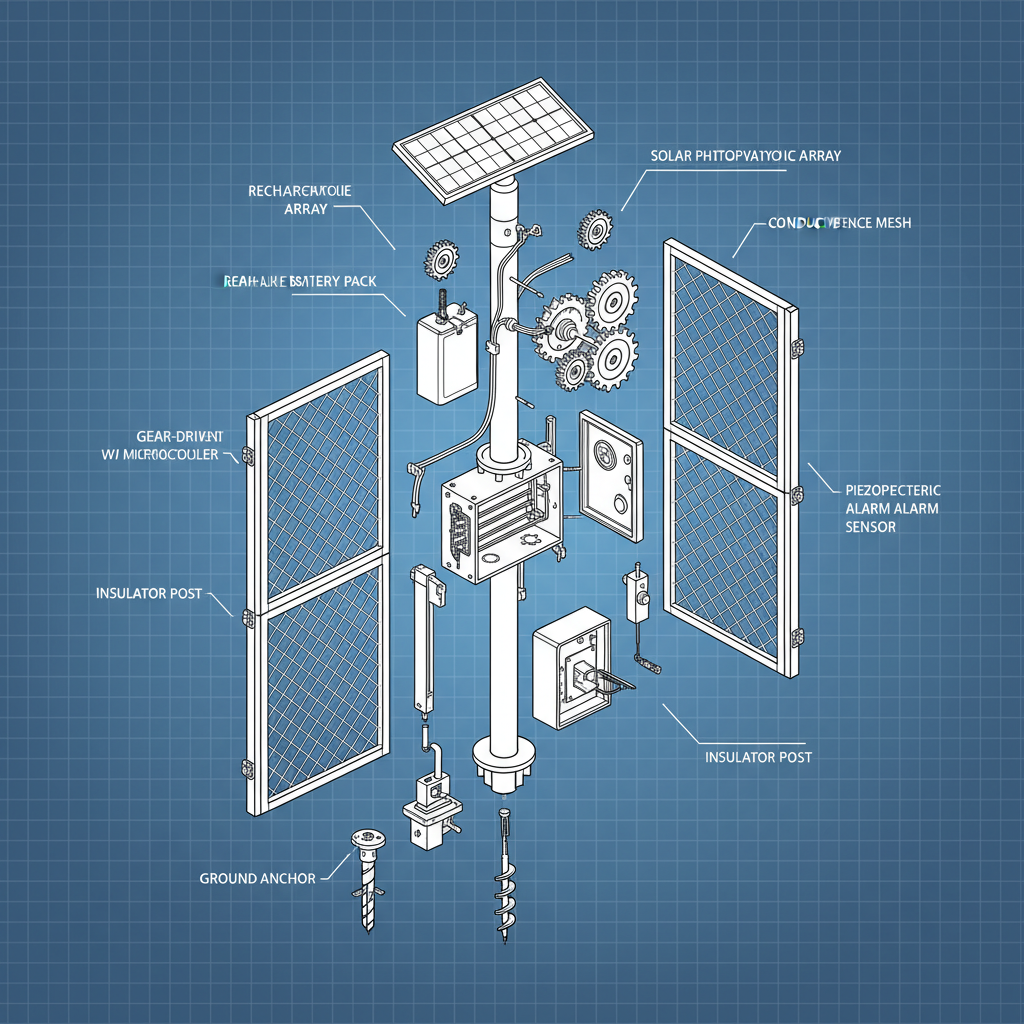
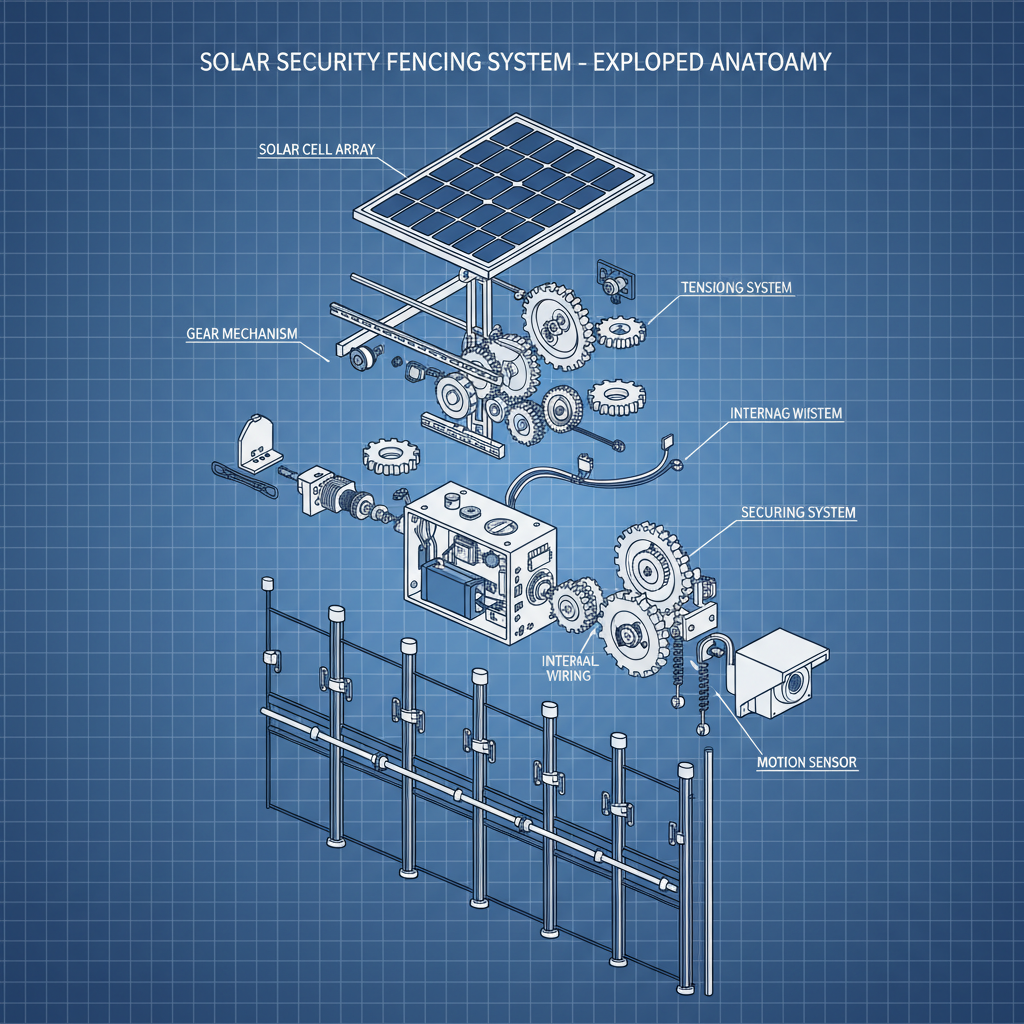
A typical solar security fencing system comprises several key components. Firstly, the fencing itself, usually constructed from heavy-gauge steel or aluminum, provides a physical barrier. Integrated within the fence are sensors – often vibration, infrared, or laser-based – that detect intrusion attempts. These sensors are connected to a control panel powered by a solar panel and battery backup, ensuring continuous operation even during periods of low sunlight. The control panel, in turn, activates alarms, strobe lights, and transmits alerts to monitoring stations or your mobile device. High-quality components are essential for reliable performance and longevity.
Key Highlights: Robust fencing materials, intelligent sensors, solar power, and reliable communication systems work together for comprehensive perimeter security.
Solar Powered Security Fencing: Benefits and Advantages
The integration of solar power offers numerous benefits. Primarily, it reduces reliance on grid electricity, lowering operational costs and minimizing environmental impact. This is especially valuable in remote locations where running power lines can be expensive or impractical. Solar power also ensures the system remains operational during power outages, a critical feature for uninterrupted security. Furthermore, solar security fencing systems are often easier to install than traditional wired systems, reducing labor costs and disruption.
Solar Power Advantages:
• Reduced energy costs
• Environmentally friendly
• Uninterrupted power during outages
• Easier installation
Solar Security Fencing Systems: Types and Comparison
Several types of solar security fencing systems are available, each with its strengths and weaknesses. The choice depends on your specific security needs and budget. Here's a comparison of some common options:
Installation and Maintenance of Solar Powered Fencing
Proper installation is crucial for optimal performance. This typically involves setting posts, running the fencing material, installing sensors and the control panel, and connecting the solar panel and battery system. Regular maintenance includes cleaning the solar panel to maximize energy absorption, testing the sensors, and inspecting the fencing for damage. Battery replacement will be necessary every few years, depending on usage and battery type. Professional installation and maintenance are recommended to ensure the system functions correctly and remains reliable.
Future Trends in Solar Security Fencing
The future of solar security fencing looks promising. We can expect to see advancements in sensor technology, such as AI-powered analytics that can differentiate between human intruders and animals, reducing false alarms. Integration with smart home and security systems will become more common, allowing for remote monitoring and control via smartphones and other devices. Furthermore, improvements in battery technology will lead to longer lifespans and increased efficiency. Qhfilter is committed to staying at the forefront of these innovations.
Conclusion: Securing Your Future with Solar Power
Investing in a solar security fencing system is a proactive step towards protecting your property and ensuring peace of mind. Its combination of robust physical security, advanced technology, and sustainable energy solutions makes it a smart and responsible choice. With ongoing innovations in the field, these systems are poised to become even more effective and efficient in the years to come.
Frequently Asked Questions (FAQs)
What is the typical lifespan of a solar panel used in security fencing?
Most solar panels used in security fencing systems have a lifespan of 25-30 years. However, their efficiency gradually decreases over time. Typically, a panel will still produce around 80% of its original output after 25 years. Regular cleaning and maintenance can help maximize performance and extend the panel's lifespan. The battery component will likely require replacement every 3-5 years, depending on its type and usage patterns. Investing in high-quality panels and batteries will ensure long-term reliability and cost-effectiveness.
How does the system perform during cloudy weather or extended periods of rain?
Solar security fencing systems are designed to function reliably even during less-than-ideal weather conditions. The battery backup stores energy generated during sunny periods, providing power during cloudy days or at night. The capacity of the battery is sized to accommodate several days of low sunlight. However, prolonged periods of heavy rain or overcast skies can reduce solar energy generation, potentially shortening the runtime on battery power. Regular monitoring of battery levels is recommended during such periods.
Can I integrate my solar security fencing with an existing security system?
Yes, many solar security fencing systems can be integrated with existing security systems, such as CCTV cameras, alarm systems, and smart home platforms. This integration allows for centralized monitoring and control of all security features. Compatibility depends on the specific systems involved, but typically involves connecting the fencing system's control panel to the existing system's control panel or a central monitoring station. Contacting Qhfilter can help determine compatibility and integration options.