Harnessing Solar Energy On Your Balcony For Sustainable Power Generation
Balcony Solar Power: A Guide to Harnessing the Sun
Considering balcony solar power? You’re tapping into a growing trend of accessible renewable energy. This article will explore everything you need to know about utilizing solar energy on your balcony, from the benefits and types of systems available, to installation considerations and potential savings. Whether you live in an apartment or simply want a small-scale solar solution, a balcony solar setup can empower you to reduce your carbon footprint and electricity bills.
Understanding the Benefits of Balcony Solar Power
The advantages of embracing balcony solar power extend beyond simply reducing your electricity bill. It's a sustainable choice that contributes to a cleaner environment by decreasing reliance on fossil fuels. Moreover, many countries and regions offer incentives, such as tax credits or rebates, making solar installations more affordable. For renters, balcony solar can provide a degree of energy independence without requiring significant property alterations. It’s a relatively simple and cost-effective way to participate in the renewable energy revolution, even with limited space.
Key Benefits: Reduced electricity bills, environmental sustainability, potential government incentives, energy independence, ease of installation.
Types of Balcony Solar Power Systems
Several types of solar systems are suitable for balconies, each with its own advantages and drawbacks. Portable solar panels are a plug-and-play solution, ideal for renters as they require no permanent installation. Balcony solar kits typically include panels, an inverter, and mounting hardware specifically designed for balcony railings. Microinverters connect directly to each panel, optimizing performance in shaded conditions. The best choice depends on your energy needs, balcony structure, and budget.
System Comparison:
• Portable Panels: Easy to move, no installation required, lower power output.
• Balcony Kits: Specifically designed for balconies, moderate power output, require mounting.
• Microinverters: Optimal performance in shade, higher cost, require professional installation.
Balcony Solar Power: A Comparative Look at Different Options
Choosing the right system involves comparing factors like cost, efficiency, and installation complexity. Portable panels offer the lowest upfront investment but also the lowest power output. Balcony kits balance cost and performance, while microinverter systems represent a higher initial expense but deliver superior efficiency, particularly in less-than-ideal sunlight conditions. Consider the space available on your balcony and the amount of sunlight it receives when making your decision.
Installation and Safety Considerations for Balcony Solar Panels
Before installing any solar system, assess your balcony's structural integrity. Ensure the railing can support the weight of the panels and mounting hardware. Always follow the manufacturer's instructions carefully. For balcony kits and microinverter systems, professional installation is often recommended to ensure proper wiring and safety. Regularly inspect the panels and mounting hardware for any signs of damage or wear. Proper grounding is essential for safety and to prevent electrical hazards.
Maximizing Your Savings with Balcony Solar
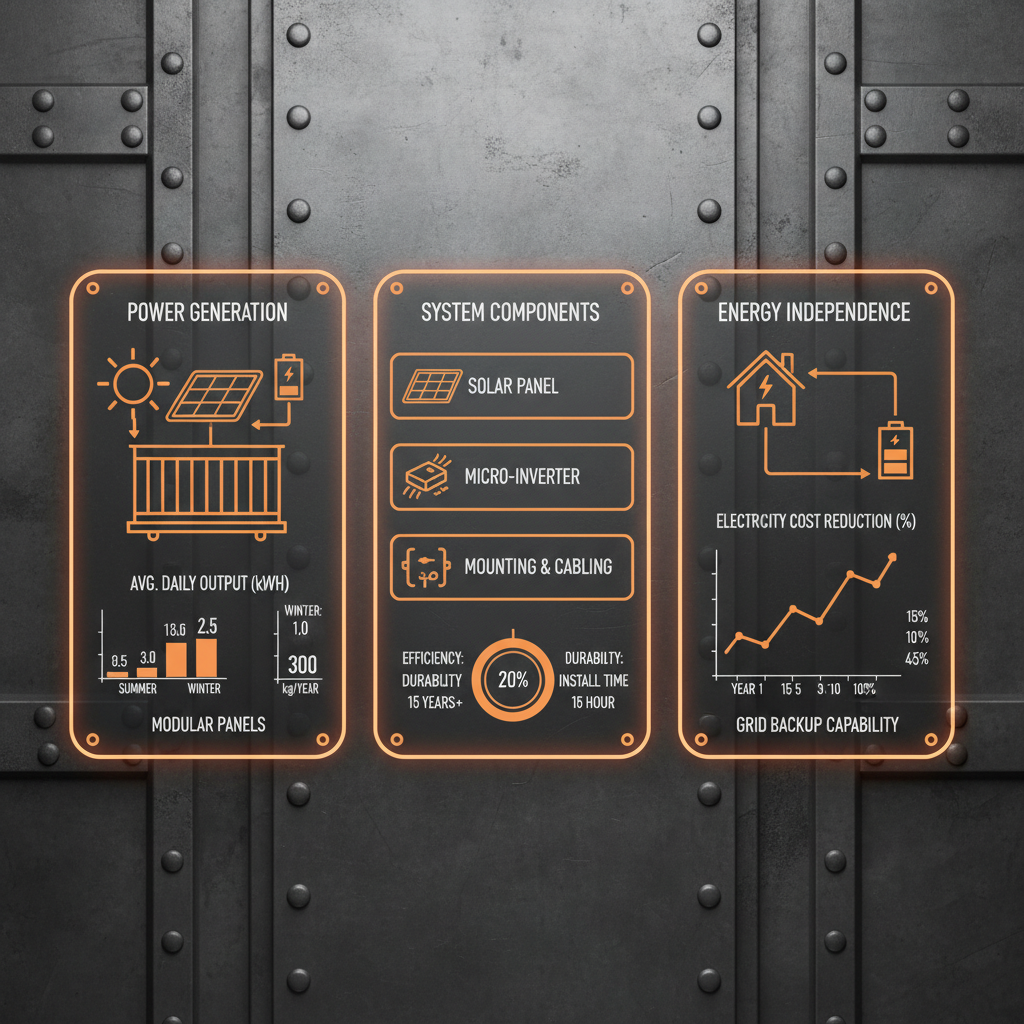
The financial benefits of balcony solar power depend on your electricity consumption and local energy rates. By generating your own electricity, you can reduce your reliance on the grid and lower your monthly bills. In some regions, you may be able to sell excess energy back to the utility company through net metering programs. Explore available incentives and rebates to further reduce the initial investment cost.
Conclusion: Embrace Sustainable Energy with Balcony Solar
Investing in balcony solar power is a smart choice for environmentally conscious individuals seeking to reduce their carbon footprint and lower energy costs. With a range of system options to suit different needs and budgets, harnessing the sun's energy has never been more accessible. Contact Qhfilter today to explore your solar possibilities!
Frequently Asked Questions (FAQs)
Is a permit required for installing balcony solar panels?
Permit requirements vary significantly depending on your location and local regulations. Some municipalities may require a permit for any electrical installation, while others may have specific guidelines for balcony solar systems. It's essential to check with your local building department or homeowners association (HOA) before starting any installation. Failure to obtain necessary permits can result in fines or require you to remove the system. Qhfilter can offer guidance on local regulations depending on your area.
How much electricity can a typical balcony solar system generate?
The amount of electricity generated depends on several factors, including the size of the system, the amount of sunlight it receives, and the efficiency of the panels. A typical balcony solar system with 200W of panels can generate approximately 200-400 kWh of electricity per year. This can be enough to offset a significant portion of your electricity consumption, especially if you're mindful of energy usage. More powerful systems, with 300W or higher, can generate even more electricity.
What happens to excess electricity generated by my solar panels?
If your solar panels generate more electricity than you're currently using, the excess can be fed back into the grid through a process called net metering. With net metering, your utility company credits your account for the electricity you send back, effectively reducing your electricity bill. The specifics of net metering programs vary by location, so it's important to check with your local utility company for details. If net metering isn't available, the excess electricity is simply lost.