Harnessing Sunlight The Benefits of a Solar Power Balcony for Urban Living
Maximize Your Space: The Benefits of a Solar Power Balcony
Living in urban environments often means limited space. But what if you could harness the power of the sun, even without a traditional roof? A solar power balcony offers a smart, efficient, and aesthetically pleasing solution for generating clean energy. This article will explore the advantages of balcony solar systems, how they work, and what you need to consider before making the switch. It’s a sustainable step towards energy independence, allowing you to reduce your carbon footprint and lower your electricity bills.
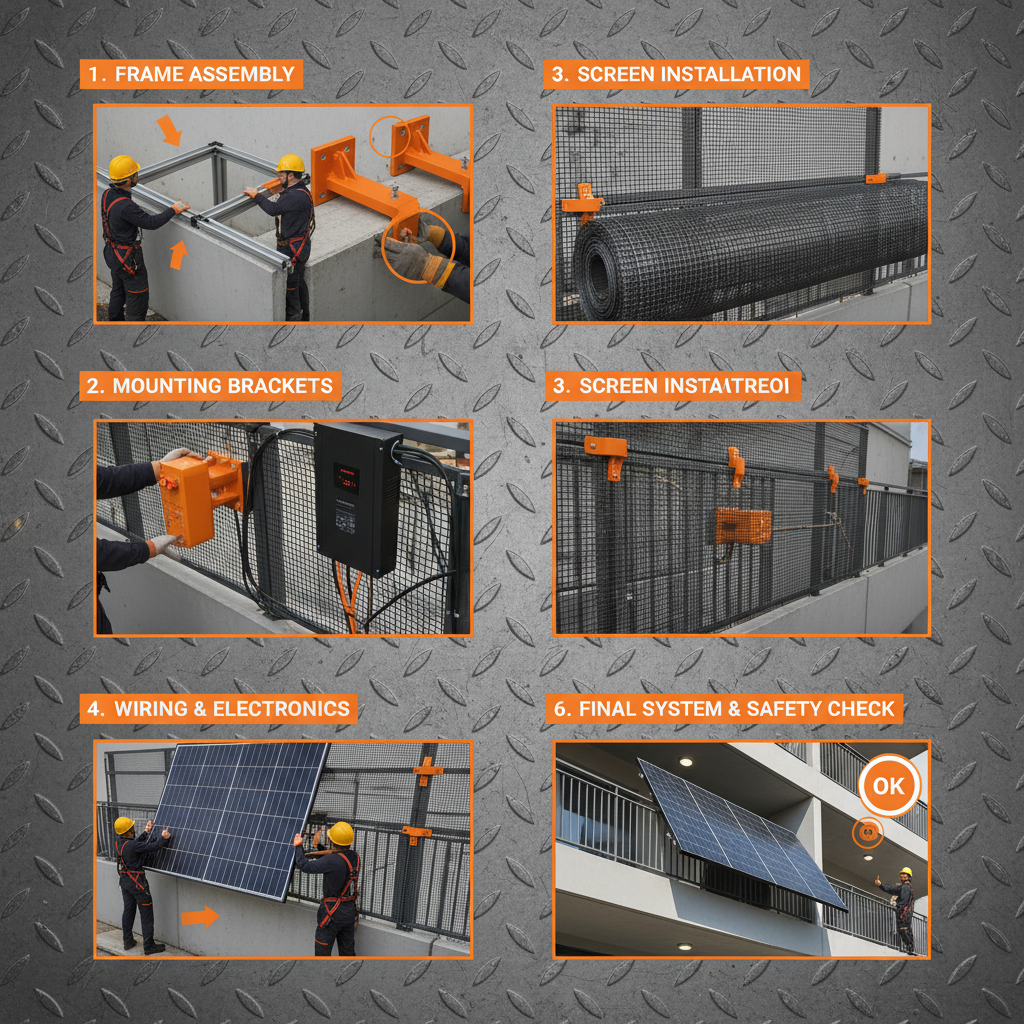
How Do Solar Power Balcony Systems Work?
Unlike traditional rooftop solar panels, balcony systems are designed to be compact and easily installed on balcony railings or walls. They typically consist of one or two high-efficiency solar panels, a micro-inverter, and necessary mounting hardware. The micro-inverter converts the direct current (DC) electricity generated by the panels into alternating current (AC) electricity, which can then be directly used to power appliances in your home. This plug-and-play functionality makes them incredibly user-friendly, often requiring no professional installation or complicated wiring. These systems are ideal for renters or homeowners who can't or don't want to install larger, more permanent solar setups. QHFilter provides tailored solutions for various balcony configurations.
Key Highlights: Compact design, easy installation, plug-and-play functionality, and ideal for renters and homeowners with limited space.
The Advantages of Investing in a Solar Power Balcony
The benefits extend far beyond simply generating electricity. A solar power balcony significantly reduces your reliance on the grid, leading to lower electricity bills. It’s a sustainable energy solution that minimizes your carbon footprint, contributing to a greener environment. The ease of installation means no lengthy permitting processes or expensive professional fees. Furthermore, it can potentially increase the value of your property. These systems are also relatively quiet and discreet, seamlessly blending into your balcony's aesthetic. QHFilter's balcony solar panels are designed with both efficiency and aesthetics in mind.
Benefits at a Glance:
• Lower electricity bills
• Reduced carbon footprint
• Easy Installation
• Increased property value
Comparing Balcony Solar to Traditional Systems
While rooftop solar remains the gold standard for large-scale energy generation, balcony systems offer a compelling alternative for those with limited space or restrictions. Traditional systems require significant upfront investment, professional installation, and often involve complex permitting processes. Balcony solar, on the other hand, is much more accessible and affordable. The power output is, of course, lower, but it's often sufficient to offset a portion of your electricity consumption. QHFilter offers customized system sizing to meet your individual energy needs.
Factors to Consider Before Installing a Solar Power Balcony
Before you dive in, consider a few key factors. First, assess your balcony’s orientation. South-facing balconies generally receive the most sunlight, maximizing energy generation. Check your building's regulations and homeowner association rules regarding solar panel installations. Ensure your balcony railing or wall can structurally support the weight of the panels. Finally, accurately estimate your energy consumption to determine the appropriate system size. QHFilter offers free consultations to help you assess your needs and select the right system.
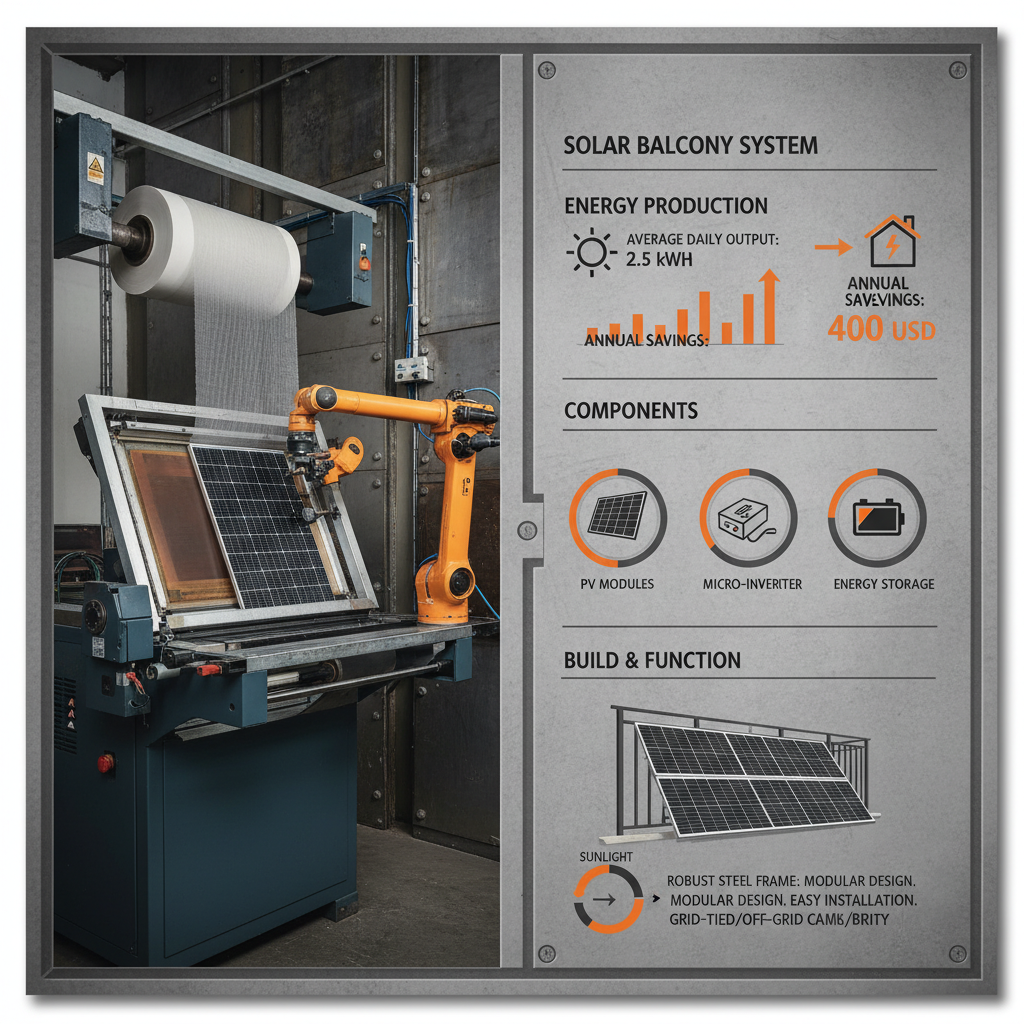
Product Specifications and Key Features of QHFilter Balcony Solar
QHFilter’s balcony solar systems are engineered for performance and reliability. Our panels utilize high-efficiency monocrystalline silicon cells, maximizing energy conversion. The integrated micro-inverter ensures optimal performance even in partial shade. We offer a range of mounting options to suit various balcony types. All systems come with a comprehensive warranty and dedicated customer support. Here's a detailed breakdown:
Conclusion: Embrace Sustainable Energy with QHFilter
A solar power balcony is a smart investment for those seeking a sustainable and affordable energy solution. With its ease of installation, minimal maintenance, and environmental benefits, it’s a win-win for both you and the planet. QHFilter is committed to providing high-quality, reliable systems backed by expert support. Take the first step towards energy independence today.
Frequently Asked Questions (FAQs)
How much electricity can a solar power balcony system generate?
The amount of electricity generated depends on several factors, including the number of panels, balcony orientation, sunlight exposure, and weather conditions. A typical system with one or two panels can generate between 100-400 kWh per year. This can be enough to offset a significant portion of your electricity bill, particularly for small appliances and lighting. QHFilter's energy calculators can help you estimate potential energy savings based on your location and consumption patterns.
Is professional installation required?
While many balcony solar systems are designed for DIY installation, we recommend professional installation to ensure optimal performance and safety, especially if you're unfamiliar with electrical work. QHFilter offers professional installation services, ensuring your system is properly mounted and connected.
What is the lifespan of a balcony solar system?
With proper care and maintenance, a balcony solar system can last for 25-30 years. The panels themselves typically have a performance warranty guaranteeing a certain level of power output over that period. The micro-inverter may need to be replaced after 10-15 years, depending on the model.
Are there any incentives or rebates available for balcony solar systems?
Incentives and rebates for solar energy vary depending on your location. Some countries and regions offer tax credits, rebates, or net metering programs that can help reduce the cost of a solar power balcony system. Contact your local energy provider or government energy agency to find out what incentives are available in your area.