Harnessing Solar Power Balcony PV Systems for Sustainable Home Energy
Balcony PV Systems: Harnessing Solar Energy for Your Home
As the demand for sustainable energy solutions grows, more homeowners are turning to balcony PV (photovoltaic) systems as a convenient and effective way to generate clean electricity. These compact solar setups are designed to be easily installed on balconies, terraces, or even windowsills, making solar power accessible to those who may not have traditional rooftop space. This article will explore the benefits, installation considerations, and key components of balcony PV systems, helping you determine if this technology is right for your home. Embracing solar energy is a powerful step towards a greener future, and balcony PV offers a flexible entry point for many.
The Benefits of Choosing a Balcony PV System
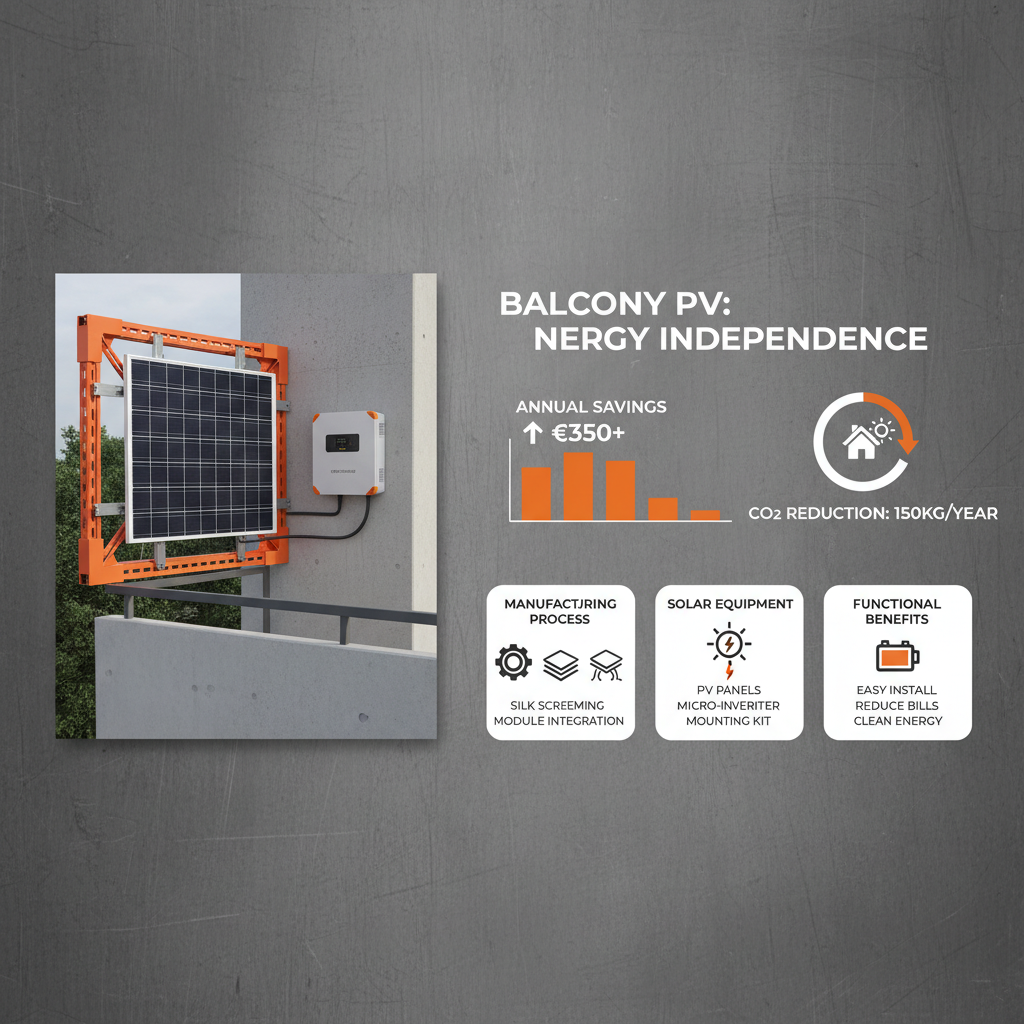
Balcony PV systems offer a multitude of advantages. First and foremost, they reduce your reliance on grid electricity, leading to lower energy bills and a smaller carbon footprint. They are incredibly easy to install, often requiring no specialized tools or professional assistance – making them a DIY-friendly option. The modular design allows you to scale your system as your energy needs evolve. Furthermore, many governments offer incentives and rebates for installing solar energy systems, potentially offsetting the initial cost. With QHfilter’s balcony PV solutions, you can experience sustainable energy without the complexities of a full-scale installation.
Key Advantages: Reduced energy bills, easy installation, scalable design, government incentives, environmental benefits.
Understanding Balcony PV System Components
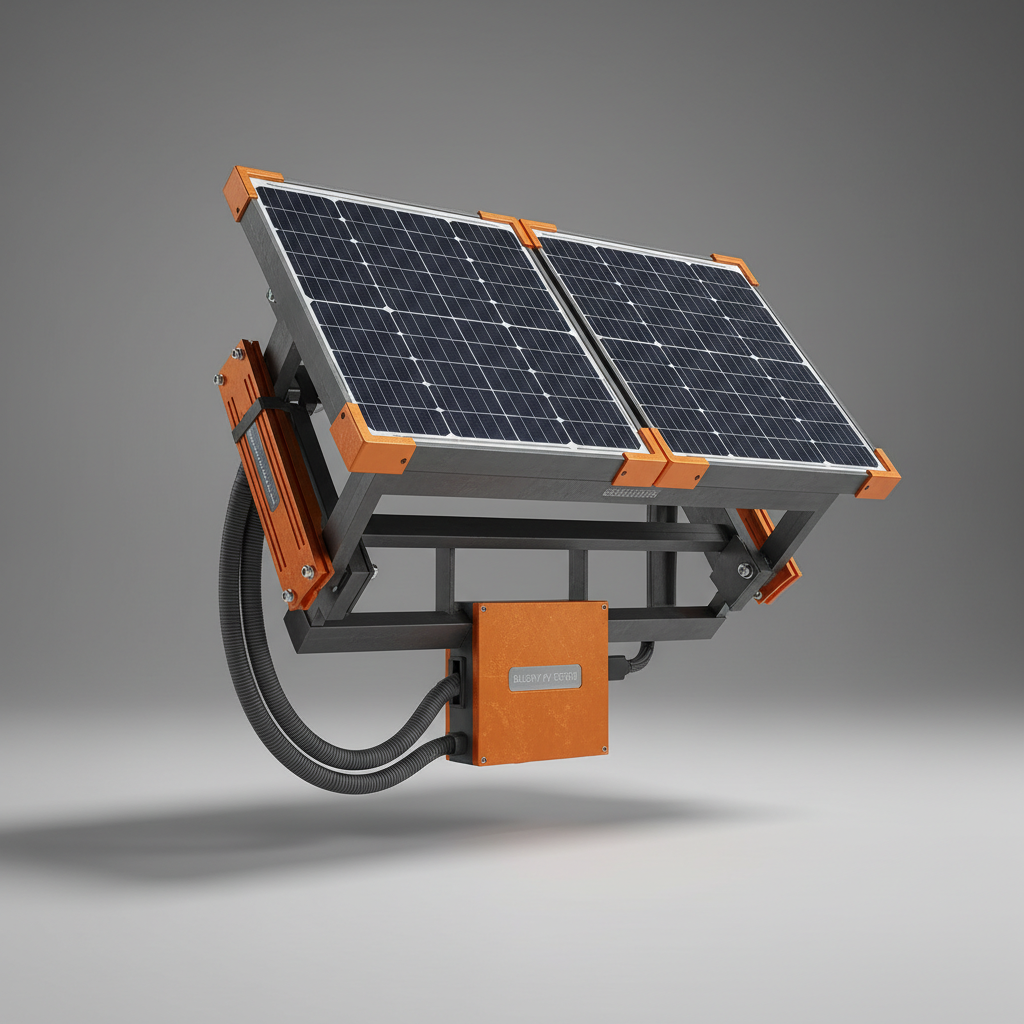
A typical balcony PV system comprises several key components. Solar Panels: These capture sunlight and convert it into electricity. Microinverters: These convert the DC electricity generated by the panels into AC electricity that can be used by your home appliances. Mounting System: This securely attaches the panels to your balcony railing or wall. Cables and Connectors: These transmit the electricity from the panels to your home's electrical system. Energy Meter: This measures the amount of electricity generated by the system. Selecting high-quality components, like those offered by QHfilter, is crucial for long-term performance and reliability.
Essential Components:
• Solar Panels
• Microinverters
• Mounting System
• Cables and Connectors
• Energy Meter
Balcony PV vs. Traditional Rooftop Solar: A Comparison
While both balcony PV and traditional rooftop solar systems generate electricity from sunlight, they differ in several key aspects. Rooftop systems typically require professional installation and are more suitable for larger homes with significant energy needs. Balcony PV systems are smaller, easier to install, and ideal for apartments or homes with limited roof space. The initial cost of a balcony PV system is generally lower than that of a rooftop system. However, the energy output of a balcony PV system is also smaller. The best choice depends on your individual circumstances and energy consumption patterns.
Installation Considerations for Balcony PV Systems
Before installing a balcony PV system, consider the following: Balcony Structure: Ensure your balcony can support the weight of the panels and mounting system. Sun Exposure: The panels need sufficient sunlight to generate electricity. South-facing balconies are generally optimal. Regulations: Check local regulations and building codes regarding solar panel installations. Electrical Connection: You may need to consult with an electrician to safely connect the system to your home's electrical grid. QHfilter provides comprehensive support and guidance throughout the installation process.
Maximizing Your Balcony PV System's Performance
To get the most out of your balcony PV system, keep the panels clean from dirt and debris. Regularly check the connections and wiring for any signs of damage. Monitor the system's energy output to ensure it's functioning optimally. Consider using a smart energy management system to optimize energy usage and maximize self-consumption. With proper care and maintenance, your balcony PV system will provide years of clean, affordable energy.
Conclusion: Embrace Sustainable Energy with Balcony PV
A balcony PV system is a smart and accessible way to harness the power of the sun and reduce your environmental impact. Its ease of installation, scalability, and cost-effectiveness make it an attractive option for homeowners seeking a sustainable energy solution. Invest in a high-quality system from a reputable provider like QHfilter, and start enjoying the benefits of clean, renewable energy today.
Frequently Asked Questions (FAQs)
How much electricity can a balcony PV system generate?
The amount of electricity generated depends on several factors, including the size of the system, the amount of sunlight your balcony receives, and the efficiency of the solar panels. A typical balcony PV system can generate between 100 and 400 kilowatt-hours (kWh) of electricity per year. This can significantly reduce your energy bills and carbon footprint. The exact output will vary based on your location and the specific conditions of your installation.
Is a balcony PV system suitable for renters?
Suitability for renters depends on your landlord's policies. Some landlords may allow balcony PV systems, while others may not. It's essential to obtain written permission from your landlord before installing a system. If you do receive permission, ensure you comply with any specific requirements they may have, such as using a non-permanent mounting system. A portable balcony PV system is another option, as it can be easily moved when you relocate.
What is the typical lifespan of balcony PV panels?
Most balcony PV panels are designed to last for 25-30 years, maintaining a high level of performance throughout their lifespan. However, the actual lifespan can vary depending on factors such as environmental conditions, maintenance practices, and the quality of the panels. Investing in high-quality panels from a reputable manufacturer, like QHfilter, is crucial for ensuring long-term durability and performance.
Are there any government incentives for balcony PV systems?
Yes, many governments and local authorities offer incentives and rebates for installing solar energy systems, including balcony PV systems. These incentives can help offset the initial cost of the system and make it more affordable. The specific incentives available vary depending on your location. It's recommended to check with your local energy provider and government agencies to learn about the incentives available in your area.