You know, I’ve been running around construction sites for fifteen years, and honestly, the biggest trend I’ve seen lately is everyone wanting… well, everything to be smarter. Smarter materials, smarter designs, even smarter baskets. It’s all about efficiency, I guess. Everyone’s chasing that extra five percent, that little edge.
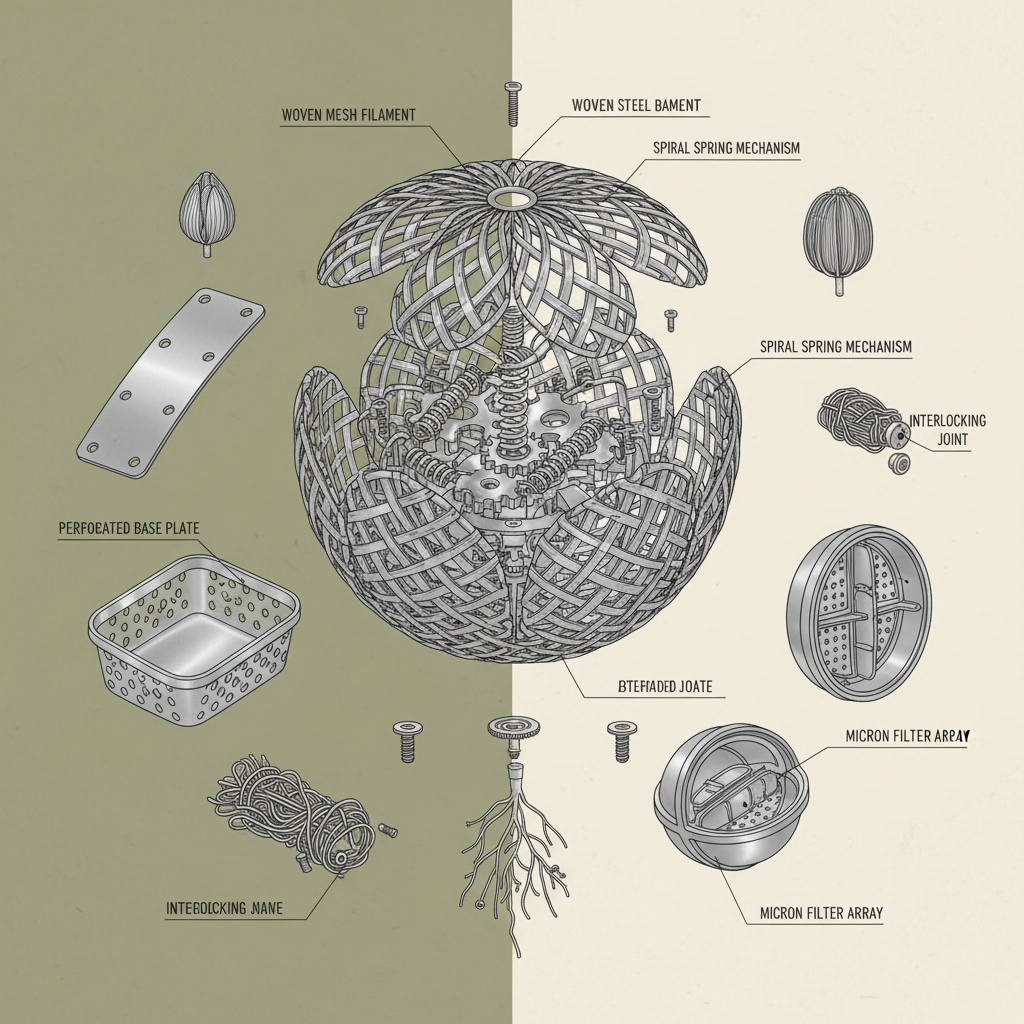
But have you noticed how quickly ‘smart’ turns into ‘complicated’? There's a lot of over-engineering going on. Folks get so focused on the specs and the features, they forget about the guy actually using the thing. I encountered this at a factory in Foshan last time – they’d designed a basket with a self-adjusting base, brilliant in theory, but it added like, three extra points of failure and doubled the weight. Just… unnecessary.
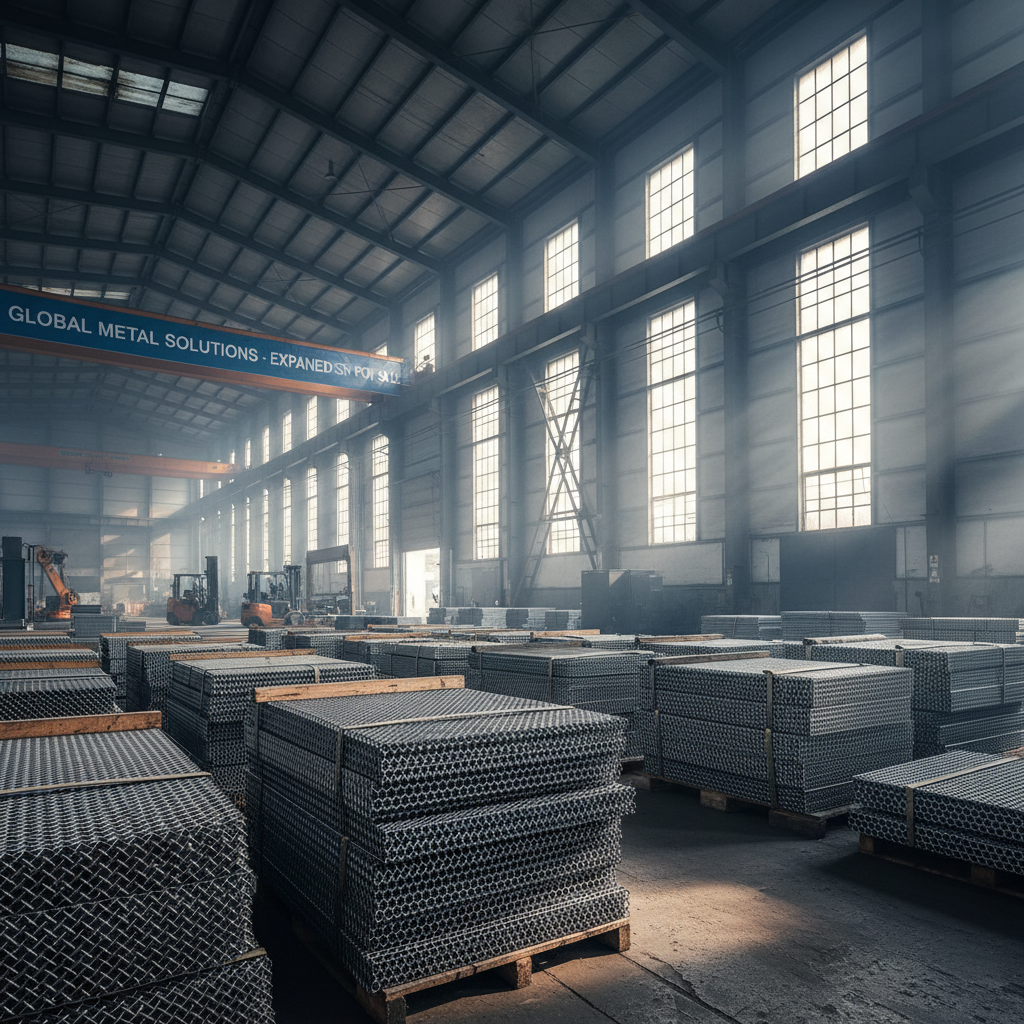
And that brings me to stainless steel baskets. Now, these aren’t new, not at all. But the demand’s through the roof. Everyone wants them. We're dealing with stainless steel basket suppliers constantly.
The Current Landscape of stainless steel basket suppliers
It's a crowded market, that's for sure. There are suppliers popping up all over the place, especially in China. Some are big, industrial-scale operations, churning out thousands of baskets a day. Others are small workshops, hand-welding everything. The quality varies wildly. Strangely, the really cheap ones aren't always the worst - sometimes they've just cut corners on the finishing.
And it’s not just about price. Lead times are a nightmare right now. Everyone's scrambling for materials, and shipping costs are… well, you know. It’s a constant battle just to get things delivered on time.
Design Pitfalls in stainless steel basket suppliers
Oh boy, the design pitfalls. I've seen it all. One common mistake is making them too rigid. You need some flex, some give. If a basket is too stiff, it’ll just transfer all the stress to the welds, and that's where they'll fail. Another one is neglecting the weight distribution. You get an uneven load, and suddenly your basket is tipping over.
Then there's the whole issue of drainage. Nobody thinks about drainage until they're standing in a puddle of water. You need to consider how the water will flow, where it will go, and how to prevent it from pooling and causing corrosion.
Honestly, the simplest designs are often the best. A well-engineered, robust basket doesn’t need a lot of fancy features.
Materials and Their Quirks
Stainless steel, obviously. But it's not all the same. 304 is your workhorse, good for general purpose, decent corrosion resistance. 316 is a step up, better for harsh environments, especially saltwater. You can smell the difference, too – 316 has a slightly sweeter smell when you're welding it.
The feel is important, too. Cheap stainless feels… rough, almost brittle. Good stuff is smooth, solid, and has a nice weight to it. And you can tell the difference in how it welds. Cheap stuff splatters, burns through easily. Good stuff takes a nice, clean weld. I've even seen suppliers try to pass off lower grades as higher, which is, well, infuriating.
But don’t underestimate the importance of the welds themselves! That's where most of the problems start. You need a skilled welder who knows their stuff.
Real-World Testing Protocols
Labs are fine, I guess. They do stress tests, corrosion tests, all that. But honestly, the best testing is just… using the thing. I’ve seen baskets fail in the lab that held up perfectly on site, and vice versa.
We usually just load them up with whatever they’re supposed to hold and see what happens. If it bends, buckles, or breaks, it fails. Simple as that. We also dunk them in saltwater for a week to check for corrosion. And we’ll leave them out in the sun for a month to see how they hold up to UV exposure. Later… forget it, I won’t mention the time we accidentally left a batch in a pig farm.
stainless steel basket suppliers Performance Metrics
How Users Actually Utilize stainless steel basket suppliers
This is where it gets interesting. You design a basket for a specific purpose, but then people find all sorts of other uses for it. I’ve seen them used for everything from storing tools to holding plants to… well, I’d rather not say.
What’s important is understanding how people interact with the basket in the real world. Are they stacking them? Are they dragging them across the floor? Are they leaving them out in the rain? These are the things you need to consider.
The Pros, the Cons, and Everything In Between
Okay, pros: stainless steel is durable, corrosion-resistant, and looks good. It's easy to clean, and it can handle a lot of abuse. Cons? It’s expensive. And it can get hot in the sun. Really hot. It also scratches easily, which doesn’t affect the functionality, but it doesn’t look great.
Anyway, I think the biggest advantage is its longevity. A well-made stainless steel basket will last for years, even decades. That's a good return on investment, especially when you consider the cost of replacing cheaper alternatives.
Customization Possibilities and Real-Life Examples
Customization is key. Most suppliers will work with you to modify the design to meet your specific needs. Last month, that small boss in Shenzhen who makes smart home devices insisted on changing the interface to – said it was “more modern”. The result? He had to buy all new cables, and his workers complained because they kept losing the adapters. Pointless, honestly.
But seriously, we’ve done everything from adding custom handles to changing the dimensions to incorporating specific mounting points. We’ve even built baskets with integrated lighting and RFID tags.
It all comes down to communication. You need to clearly explain what you need, and the supplier needs to be able to deliver.
Core Challenges & Solutions related to stainless steel basket suppliers
| Challenge |
Impact on Project |
Potential Solution |
Implementation Cost (Scale 1-10) |
| Long Lead Times |
Project Delays, Increased Costs |
Diversify Suppliers, Early Ordering |
4 |
| Quality Control Issues |
Product Failure, Safety Concerns |
Rigorous Inspection, Supplier Audits |
6 |
| High Material Costs |
Budget Overruns |
Value Engineering, Alternative Materials (where applicable) |
5 |
| Welding Imperfections |
Structural Weakness, Corrosion Risk |
Certified Welders, Non-Destructive Testing |
7 |
| Design Complexity |
Increased Manufacturing Costs, Potential Failure Points |
Simplified Designs, FEA Analysis |
3 |
| Lack of Customization Options |
Compromised Functionality, Reduced Efficiency |
Collaborative Design Process, Flexible Manufacturing |
5 |
FAQS
Lead times vary wildly, honestly. It depends on the complexity of the design, the quantity, and what the supplier has in stock. Right now, you're looking at anywhere from four to eight weeks, maybe longer if you need something really specialized. It’s best to get a quote and ask upfront. Don't be afraid to push them, either, especially if you've got a tight deadline. A good supplier will try to accommodate you.
This is crucial. Get a material certificate! Any reputable supplier should provide one. It’ll specify the grade of stainless steel and confirm it meets the relevant standards. And don't just take their word for it – send a sample to a third-party lab for testing if you're really concerned. It costs a bit extra, but it's worth the peace of mind.
Regular cleaning is key. Get rid of any debris or contaminants that could cause corrosion. If the baskets are exposed to saltwater, rinse them thoroughly with fresh water. Passivation can also help – it creates a protective layer on the surface of the steel. But honestly, choosing the right grade of stainless steel in the first place is the most important thing.
This varies a lot. Some suppliers will do one-off orders, but they'll charge a premium for it. Others have a minimum order quantity of, say, 50 or 100 baskets. It depends on their production capabilities and how busy they are. Always ask about the MOQ upfront, before you get too far into the design process.
Absolutely. Make sure your supplier is following fair labor practices and has a commitment to environmental sustainability. Ask about their sourcing policies and their environmental certifications. It's easy to get caught up in the price, but you need to consider the bigger picture. You don't want to be supporting unethical or unsustainable practices.
TIG (Tungsten Inert Gas) welding is the gold standard for stainless steel. It produces clean, strong welds with minimal distortion. MIG (Metal Inert Gas) welding is faster and cheaper, but it's not as precise. Spot welding is used for smaller applications. The key is to use a qualified welder who knows what they're doing and has the right equipment.
Conclusion
Ultimately, stainless steel baskets are a workhorse product. They’re not glamorous, but they’re essential. From simple storage to complex industrial applications, they play a vital role in countless processes. The key is to choose a supplier who understands your needs, provides high-quality materials, and delivers on time. Don't chase the cheapest price – chase the best value.
And honestly, whether this thing works or not, the worker will know the moment he tightens the screw. That's what matters. A good basket just… feels right. It's solid, it's sturdy, and it doesn’t give you a reason to worry. That’s the goal, and if you find a supplier who gets that, you’re in good hands.