When sourcing durable filtration or storage components for commercial kitchens, the technical precision of the mesh determines the overall operational efficiency. Finding a reliable ss kitchen basket manufacturer involves more than just checking a catalog; it requires an understanding of how wire gauge, weave density, and material grade interact to withstand high-temperature environments and caustic cleaning agents. For many procurement managers, the challenge lies in balancing high-precision customization with long-term corrosion resistance.
The criticality of this selection becomes evident when considering the synergy between various wire mesh deep processing products. From stainless steel mesh baskets to specialized filter mesh cylinders, the consistency of the metal fabrication ensures that food safety standards are met and that the equipment does not fail under heavy industrial loads. In the context of deep processing, a kitchen basket is not merely a container but a precision-engineered tool designed for specific flow rates and structural integrity.
This guide examines the technical benchmarks and selection criteria necessary to identify a partner capable of delivering high-precision customized services. By analyzing the relationship between material science and fabrication techniques, we provide a framework for evaluating an ss kitchen basket manufacturer to ensure that the final product delivers maximum durability and anti-corrosion performance in demanding culinary environments.


Stainless steel mesh baskets are the result of sophisticated wire mesh deep processing, where raw stainless steel wire is woven into a precise grid and then formed into a three-dimensional structure. The core of the design lies in the tension of the weave and the quality of the welding points, which must withstand repeated thermal expansion and contraction cycles common in industrial fryers and steamers.
From a structural perspective, the choice between plain weave and twill weave affects the openness and the strength of the basket. High-precision customized services allow for the adjustment of the aperture size to prevent food loss while maximizing the flow of oil or water. This technical balance ensures that the basket maintains its shape under the weight of bulk ingredients.
The longevity of a mesh basket depends primarily on the alloy composition and the finishing process. Using 304 or 316 stainless steel is essential for anti-corrosion, especially in environments exposed to salt and acidity. The quality of the deep processing ensures that there are no sharp burrs or weak spots that could lead to structural failure or contamination of the product.
Welding precision is another deciding factor. In high-end manufacturing, the joints between the mesh and the frame are reinforced to prevent detachment during heavy-duty use. Proper heat treatment after welding helps in relieving internal stresses, which significantly reduces the risk of stress corrosion cracking over time.
Lastly, the surface finish, whether electropolished or naturally brushed, impacts the ease of cleaning. A smoother surface prevents the buildup of organic residue and carbon deposits, making the baskets more hygienic and reducing the amount of harsh chemicals required during the sanitization process.
The true value of a precision-manufactured basket is realized through the optimization of the cooking and draining workflow. When a basket is engineered with the correct mesh density, it allows for rapid drainage and uniform heat distribution, which directly translates to consistent product quality and reduced waste.
High-precision mesh baskets reduce operational downtime by extending the replacement cycle and improving hygiene compliance, effectively lowering the total cost of ownership for large-scale commercial kitchens.
Beyond the kitchen, the versatility of deep processed wire mesh extends to specialized filtration. The same expertise used in basket manufacturing is applied to creating stainless steel sieve systems and filter mesh discs, ensuring that the entire production line maintains a standard of durability and anti-corrosion.
Selecting the right mesh size is a technical trade-off between flow rate and retention. A wider mesh allows for faster draining but may allow smaller food particles to escape, whereas a finer mesh increases retention but can lead to clogging and slower processing times.
By analyzing the relative efficiency of different mesh aperture sizes, operators can determine the optimal configuration for their specific product line. This data-driven approach ensures that the equipment is not over-engineered or under-performing for the task at hand.
Commercial kitchens utilize stainless steel mesh baskets primarily in deep frying, steaming, and blanching operations. In these settings, the baskets must be compatible with automated lifting systems and withstand the mechanical stress of being submerged and raised hundreds of times per shift.
Furthermore, the application extends to pharmaceutical and laboratory settings where stainless steel filter mesh cylinders are used for precise separation. The requirement for high-precision customization is paramount here, as even a micron-level deviation in mesh size can affect the purity of the filtered substance.
The industry is shifting toward the integration of smart materials and advanced coatings to further enhance anti-corrosion properties. The use of nanostructured surfaces may soon allow for "self-cleaning" mesh baskets, which would drastically reduce water and chemical consumption in commercial kitchens.
Another trend is the move toward modular mesh designs. Instead of replacing an entire basket, future designs may allow for the replacement of specific worn-out mesh panels, extending the overall lifecycle of the frame and reducing material waste.
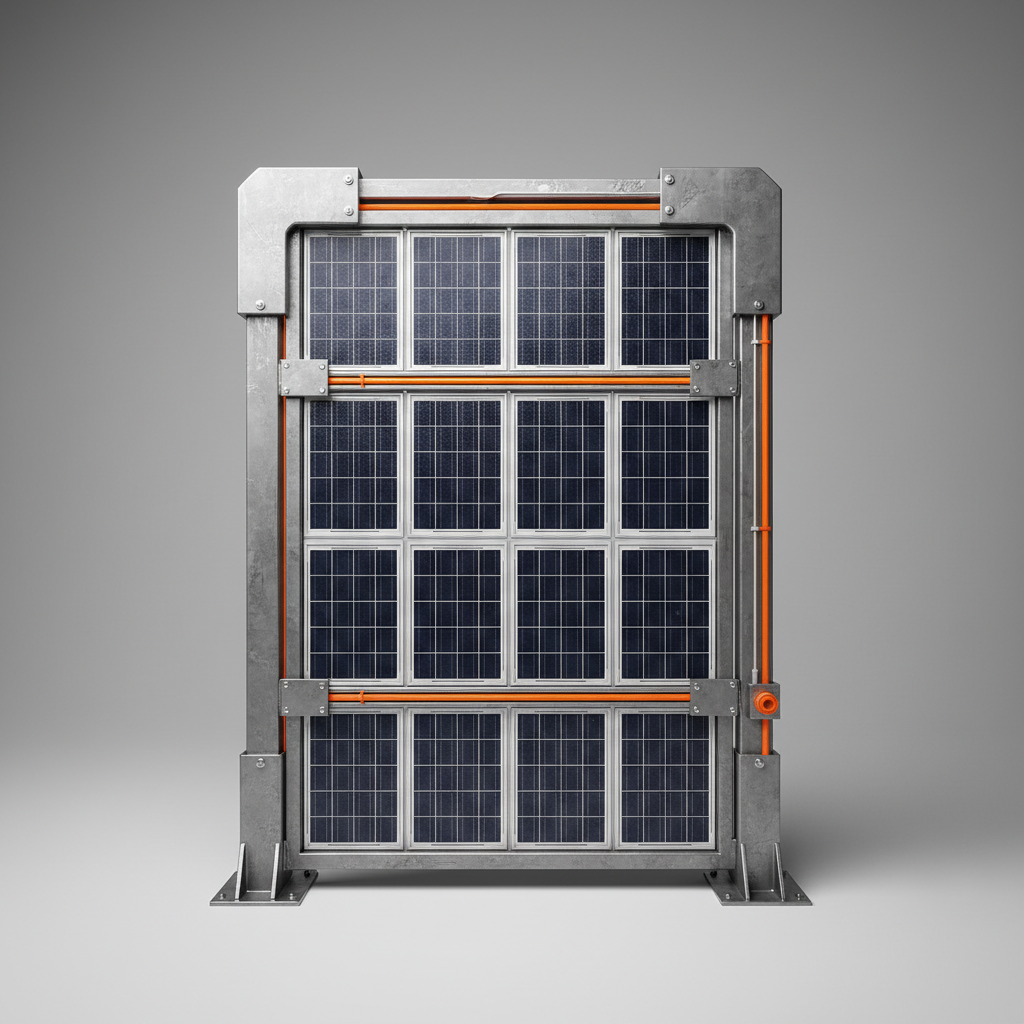
Additionally, the diversification into new energy sectors, such as utilizing specialized metal mesh for photovoltaic energy storage components, demonstrates the adaptability of deep processing expertise across different industrial domains.
One of the most significant challenges in mesh fabrication is maintaining tension across the surface of the basket. Poor tension leads to "sagging," which reduces the effective volume of the basket and causes uneven cooking. This is solved through precision stretching and reinforced perimeter welding.
Corrosion at the weld points is another common failure mode. Because welding changes the local chemistry of the stainless steel, "carbide precipitation" can occur. This is mitigated by using low-carbon alloys and performing post-weld passivation treatments.
Lastly, achieving the exact customized dimensions for niche equipment requires advanced CNC bending and cutting. A focus on high-precision customized services ensures that the baskets fit perfectly into existing machinery without the need for onsite modifications.
| Material Grade | Corrosion Resistance | Mechanical Strength | Typical Application |
|---|---|---|---|
| SS 304 | Standard | High | General Kitchen Use |
| SS 316 | Excellent | High | Marine/High-Salt |
| SS 316L | Superior | Moderate | Chemical Processing |
| Plated Steel | Low | Very High | Low-Cost Budget |
| Twill Weave | Moderate | Very High | Heavy Load Baskets |
| Plain Weave | Moderate | Standard | Fine Filtration |
SS 316 contains molybdenum, which provides significantly higher resistance to chlorides and salts compared to SS 304. In a commercial kitchen where salt is heavily used, SS 316 baskets are less likely to develop pitting corrosion, thereby extending the product's lifespan in aggressive environments. While SS 304 is sufficient for many standard applications, SS 316 is the preferred choice for high-salinity or high-acidity conditions.
The choice depends on the size of the smallest item you intend to process and the required drainage speed. For small-cut fries or grains, a finer mesh (smaller aperture) is necessary to prevent loss. However, if you are processing large items, a wider mesh increases flow efficiency and reduces the risk of clogging. We recommend analyzing your product dimensions and choosing a mesh aperture that is approximately 50% smaller than your smallest ingredient.
Yes, high-precision customized services allow for the adjustment of diameter, height, handle placement, and mesh density to fit specific industrial fryers or steaming units. By providing detailed technical drawings or samples, a manufacturer can ensure that the baskets interface perfectly with automated lifting systems, which is critical for safety and operational efficiency in large-scale food production.
Weld failure is typically caused by stress corrosion cracking or improper heat management during the welding process. If the metal is overheated, it can lead to carbide precipitation, making the joint brittle and prone to rust. Using low-carbon stainless steel and applying a passivation treatment after welding helps to restore the protective oxide layer and significantly increases the strength of the joints.
Regular cleaning with non-abrasive detergents and avoiding the use of steel wool is essential. Steel wool can leave carbon steel particles on the surface, which leads to "tea staining" or localized rust. For heavy carbon buildup, a specialized degreaser should be used. Periodic inspection of the weld points can identify early signs of wear, allowing for timely repair before a full structural failure occurs.
While some low-cost options use plated carbon steel, they lack the corrosion resistance of stainless steel and typically fail quickly in moist or salty environments. For high-performance needs, stainless steel remains the industry standard due to its hygiene, durability, and anti-corrosion properties. In extremely specialized cases, alloy steels may be used, but they often require more maintenance and are less food-safe than SS 304 or 316.
Selecting the right stainless steel mesh basket requires a technical evaluation of material grade, weave precision, and fabrication quality. By prioritizing anti-corrosion properties and high-precision customization, operators can ensure that their equipment supports a seamless workflow and adheres to strict food safety standards. The intersection of deep processing expertise and material science is what transforms a simple basket into a high-performance industrial tool.
For businesses seeking to optimize their kitchen efficiency or those requiring specialized metal filtration solutions, partnering with an experienced manufacturer is key. If you have specific requirements for customized mesh baskets or other wire mesh deep processing products, feel free to explore the technical capabilities available at www.qhfilter.com for a solution tailored to your operational needs.