Versatile Applications and Specifications of Stainless Steel Mesh Grades
In the realm of industrial and commercial materials, stainless steel mesh stands out for its durability, corrosion resistance, and precision engineering. Various mesh grades, including 40 micron stainless steel mesh, 400 mesh stainless steel screen, 400 micron stainless steel mesh, 400 stainless steel mesh, and 4mm stainless steel mesh, cater to distinct filtering, screening, and structural needs across industries. Each grade offers unique characteristics that make it suitable for specific applications, from fine particle separation to robust architectural uses.
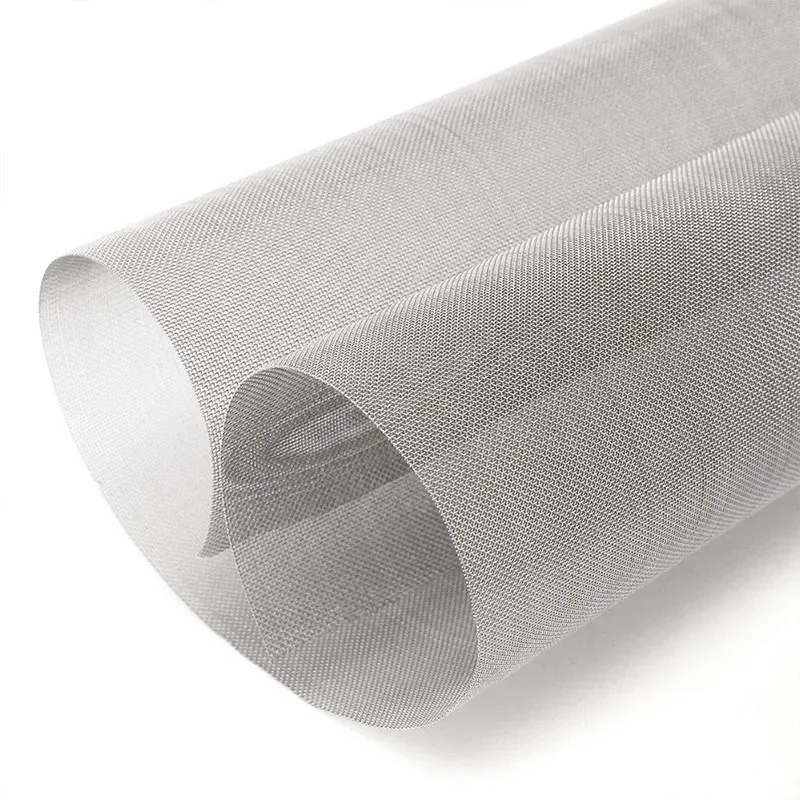
Exploring the Precision of 40 Micron Stainless Steel Mesh
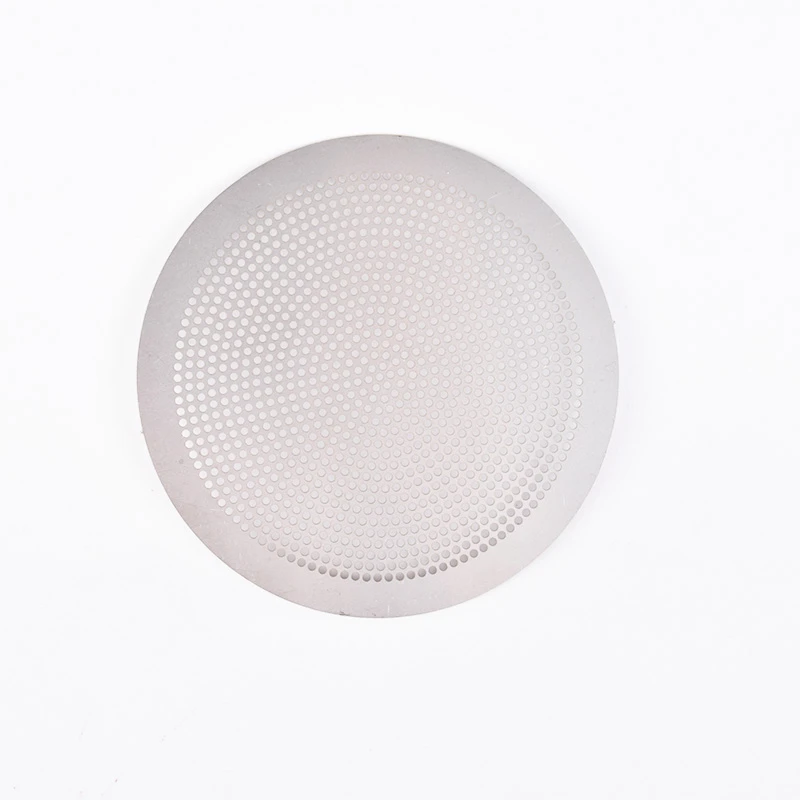
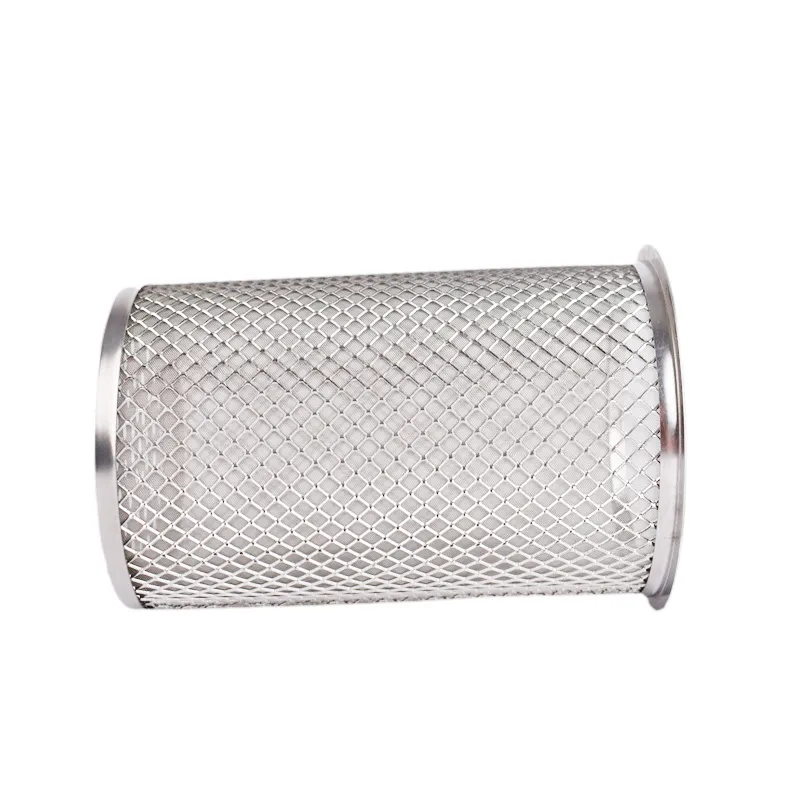
40 micron stainless steel mesh is renowned for its fine filtration capabilities, ideal for applications requiring the separation of extremely small particles. In pharmaceutical manufacturing, this mesh is used to filter out impurities from liquid formulations, ensuring the purity of medications. Its tight weave structure—with each opening measuring 40 microns (0.04 mm)—effectively traps particles while allowing fluids to pass through. Additionally, in laboratory settings, 40 micron stainless steel mesh is employed in soil analysis or chemical synthesis to sieve fine powders and maintain sample consistency. The corrosion resistance of stainless steel ensures that the mesh remains effective even when exposed to aggressive chemicals or high - humidity environments.
The Utility of 400 Mesh Stainless Steel Screen
A 400 mesh stainless steel screen represents a high - density weave, with 400 openings per linear inch. This grade is commonly used in industries requiring precise particle sizing, such as mineral processing or powder coating. For example, in the production of pigments or ceramics, the 400 mesh stainless steel screen ensures that powders are uniformly sized, enhancing the quality of the final product. The fine mesh also finds use in food processing, where it filters out unwanted debris from ingredients like flour or sugar. The stainless steel construction provides strength and longevity, making it suitable for heavy - duty screening applications that demand both precision and durability.
Understanding 400 Micron Stainless Steel Mesh
400 micron stainless steel mesh offers a coarser alternative to finer grades, with each opening measuring 0.4 mm. This size is well - suited for applications that require the separation of larger particles while maintaining good flow rates. In agriculture, 400 micron stainless steel mesh is used in irrigation systems to filter out sediment and debris from water sources, preventing clogs in sprinklers or drip lines. It is also employed in the brewing industry to strain hops or other solids from wort during the beer - making process. The mesh’s robustness allows it to withstand frequent cleaning and exposure to outdoor elements, making it a reliable choice for agricultural and food - related applications.
Applications of 400 Stainless Steel Mesh
The term 400 stainless steel mesh typically refers to mesh made from 400 - series stainless steel, such as types 430 or 410, which are known for their magnetic properties and resistance to corrosion and heat. This mesh is widely used in automotive and industrial settings, such as engine air filters or exhaust systems, where high temperatures and mechanical stress are common. For instance, in vehicle manufacturing, 400 stainless steel mesh may be used to filter contaminants from air intakes, ensuring optimal engine performance. Its magnetic nature also makes it suitable for applications involving magnetic separation, such as sorting ferrous materials in recycling facilities. The 400 - series stainless steel’s durability and heat resistance make this mesh a staple in high - performance environments.
The Robustness of 4mm Stainless Steel Mesh
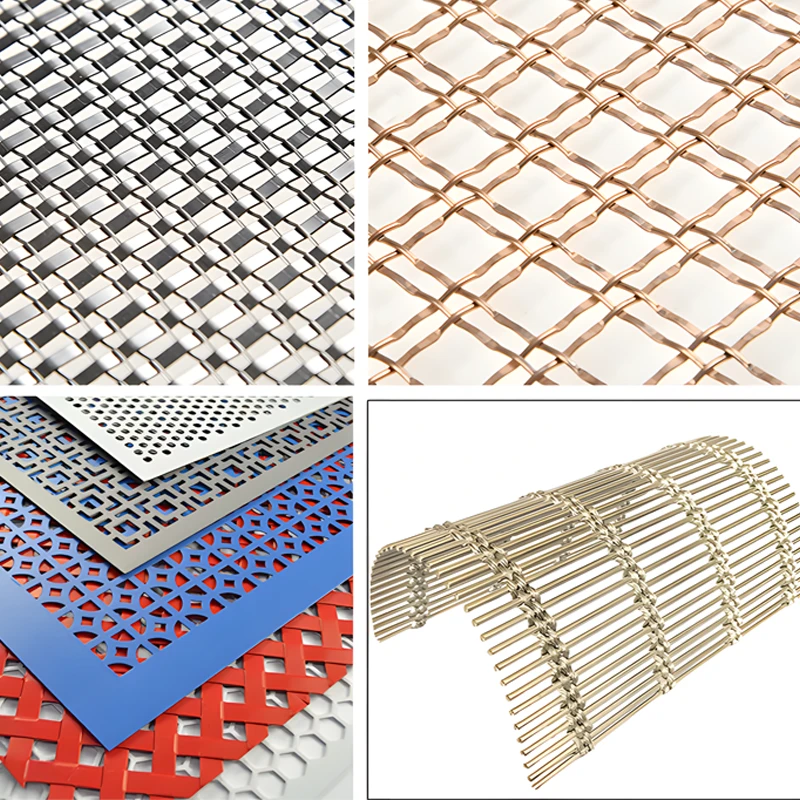
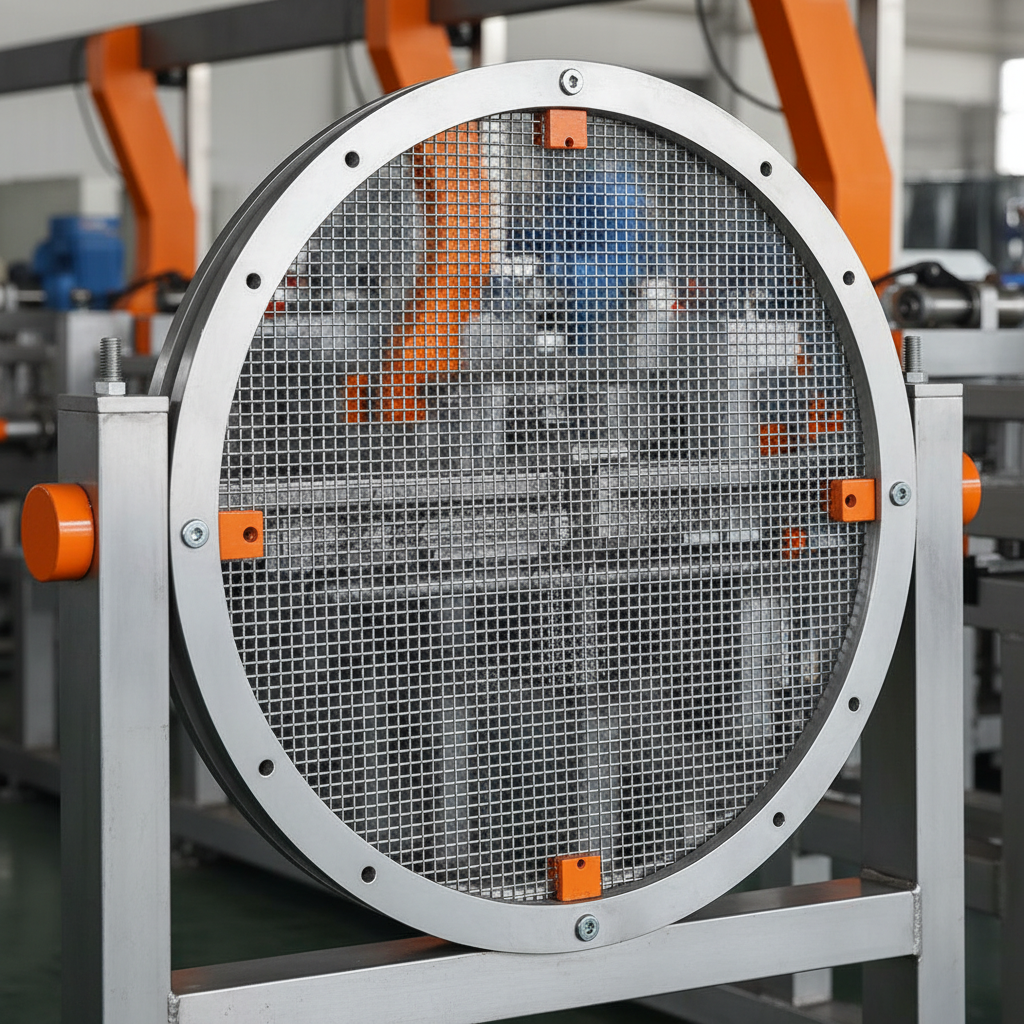
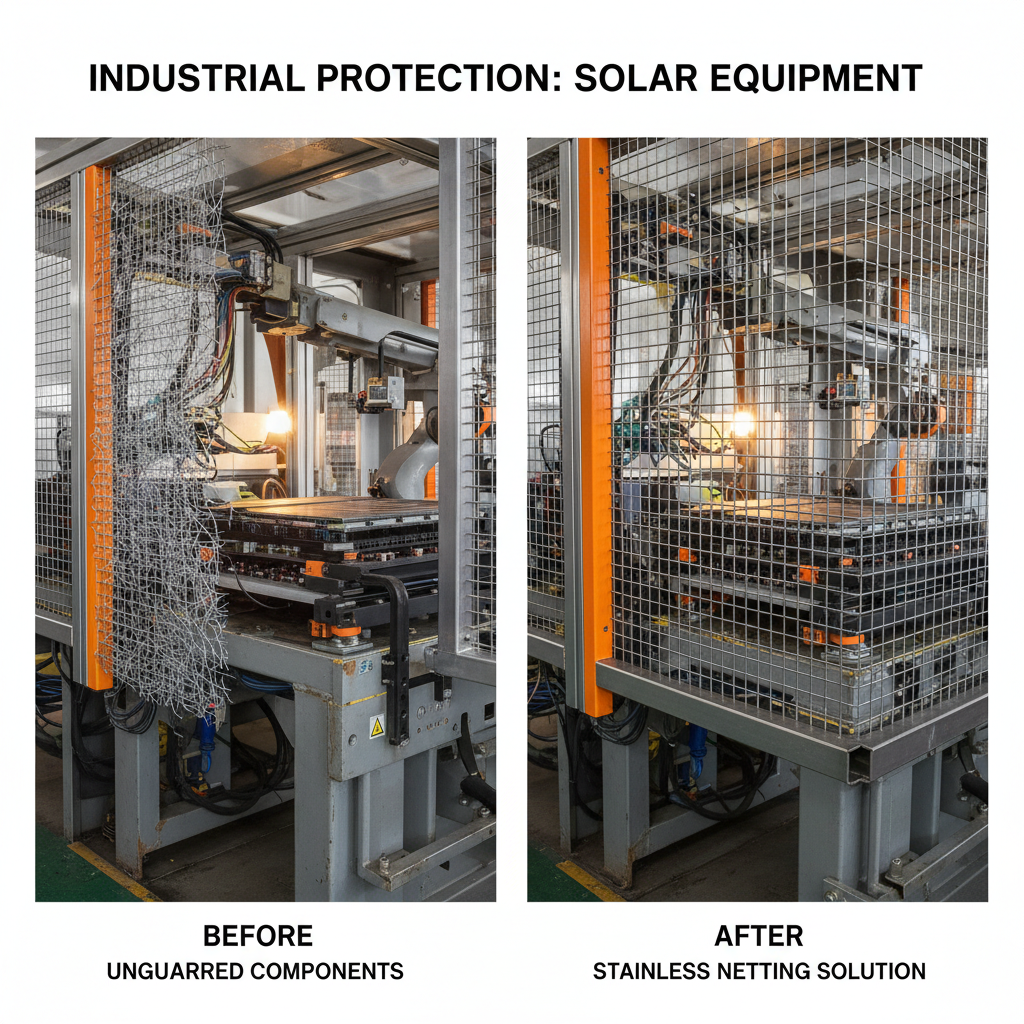
4mm stainless steel mesh, with its large opening size, is designed for heavy - duty applications that prioritize strength and visibility. In architecture and construction, this mesh is used as safety barriers, decorative screens, or fencing in commercial and residential projects. For example, it may be installed as balcony railings or stair guards, providing both security and an open aesthetic. In industrial settings, 4mm stainless steel mesh is used to create protective enclosures for machinery or to separate different areas in warehouses. The thick wire diameter (often 4mm or more) ensures that the mesh can withstand impact and heavy use, while the large openings allow for easy inspection or ventilation.
FAQ: Key Considerations for Stainless Steel Mesh Selection
How to determine the appropriate mesh grade for a specific application?
Selecting the right mesh grade involves evaluating particle size requirements, environmental conditions, and mechanical stress. For fine filtration (e.g., under 100 microns), opt for 40 micron or 400 mesh grades. For larger particle separation or structural uses, 400 micron or 4mm stainless steel mesh may be more suitable. Consider factors like corrosion resistance, temperature tolerance, and required airflow or visibility to narrow down the options.
What maintenance practices prolong the life of stainless steel mesh?
Regular cleaning with mild detergents and water helps remove debris and prevent corrosion. For mesh exposed to harsh chemicals or saltwater, rinse thoroughly to avoid residue buildup. Inspect for signs of wear, such as loose wires or damaged sections, and repair or replace as needed. Avoid using abrasive tools that could scratch the surface and compromise corrosion resistance.
Can stainless steel mesh be customized for specific dimensions?
Yes, most manufacturers offer custom sizing for stainless steel mesh to fit unique project requirements. Whether for a specific filtration system or architectural design, mesh can be cut, welded, or formed into various shapes and sizes. Ensure to work with a supplier that provides precision cutting and finishing services to meet your specifications.
How does mesh weave type affect performance?
Weave types (e.g., plain weave, twill weave, Dutch weave) impact flow rate, particle retention, and durability. Plain weave is ideal for general screening, while Dutch weave (with alternating thick and thin wires) offers finer filtration with higher flow efficiency. Twill weave provides extra strength for heavy - duty applications. Choose the weave based on the balance between filtration precision and structural needs.
What are the cost factors for different stainless steel mesh grades?
Costs vary based on mesh density (e.g., 400 mesh vs. 4mm), material grade (e.g., 304 vs. 400 - series stainless steel), and customization requirements. Finer meshes and specialized weaves typically cost more due to complex manufacturing processes. Bulk orders often offer cost savings, while custom fabrication may increase expenses. Prioritize quality and performance to ensure long - term value for your application.